


HazBasis Process Safety provides process safety consulting to help industrial facilities prevent fires, explosions, toxic releases, and other catastrophic incidents before they happen. We work with clients throughout North America and globally, bringing hands on technical experience to the fire, explosion, and process hazards that show up across chemical, pharmaceutical, battery, food, and industrial manufacturing operations.
Our recommendations are built around your actual materials, equipment, and operating conditions, not a generic checklist applied the same way at every facility, and they’re written to align with OSHA, EPA, NFPA, IEC, ISO, and other recognized engineering practices.
Discuss your process safety risks, regulatory compliance needs, or upcoming industrial project
Why Choose HazBasis
Most facilities don’t have just one hazard to think about. A dust collector raises combustible dust questions, but it also touches ignition sources, hazardous area classification, and sometimes static electricity, all at once. HazBasis works across that full picture instead of handing you a narrow answer to one question and leaving you to coordinate the rest yourself.
Our reports are written to be used, not filed. An engineer, an EHS manager, a plant manager, an insurer, and an AHJ can each pick up the same document and get what they need from it, because we write for the decision, not for the paperwork.
We evaluate the real conditions in your facility: the actual materials, equipment, process data, and operating history, not a generic template applied regardless of what’s actually happening on your floor. That’s what makes a report defensible when it’s tested by an inspector, an insurer, or an incident review, rather than just plausible on paper.
And because our services connect to each other, work we do for one project (a DHA, a classification study, a PHA) tends to make the next one faster and more accurate, since we’re not starting from zero on your facility every time.
Our Services
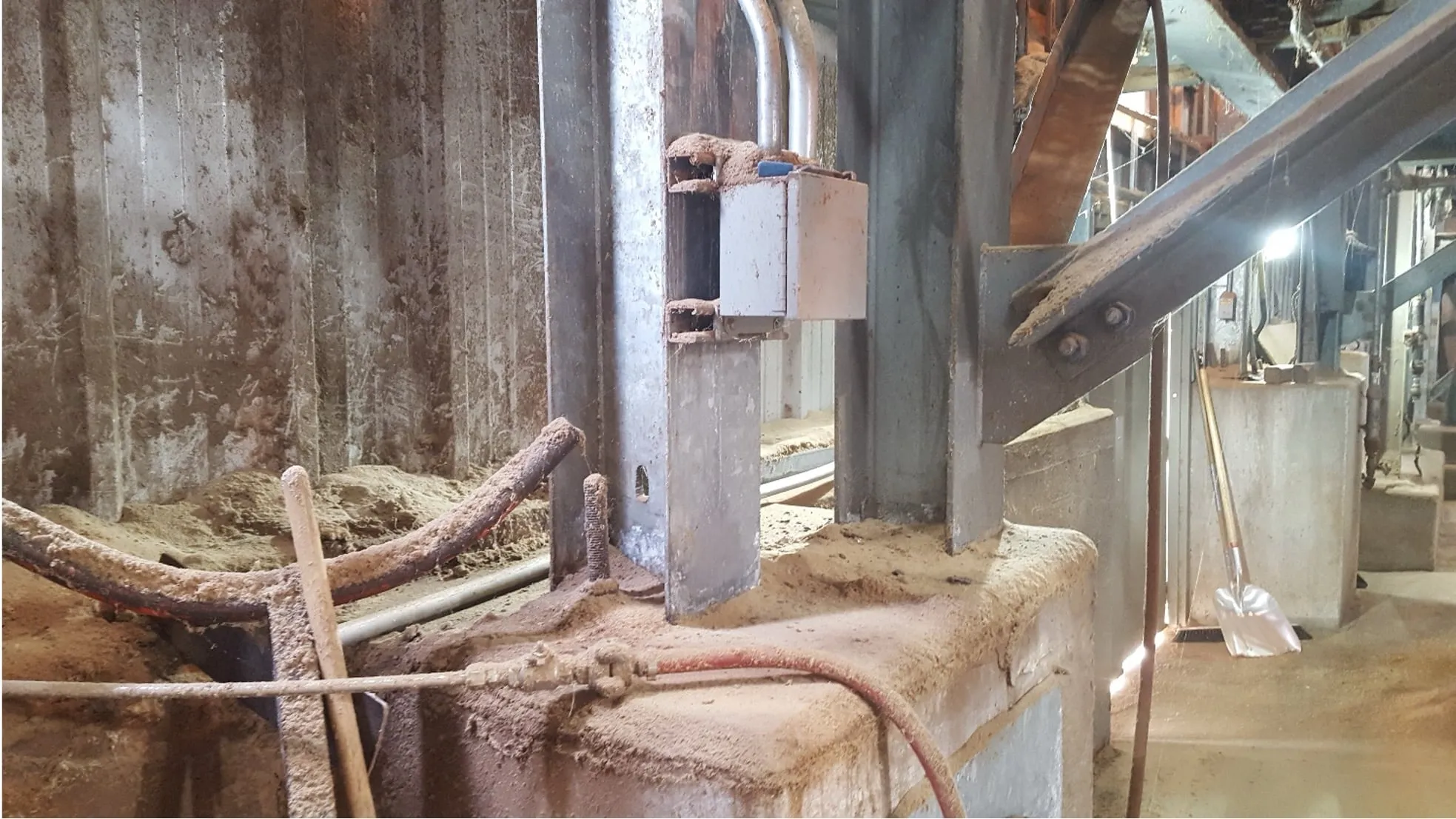
Dust Hazard Analysis
Identify and document combustible dust fire and explosion hazards in your process, aligned with NFPA 660. AHJ-ready reports for OSHA, insurance, and fire-code compliance.
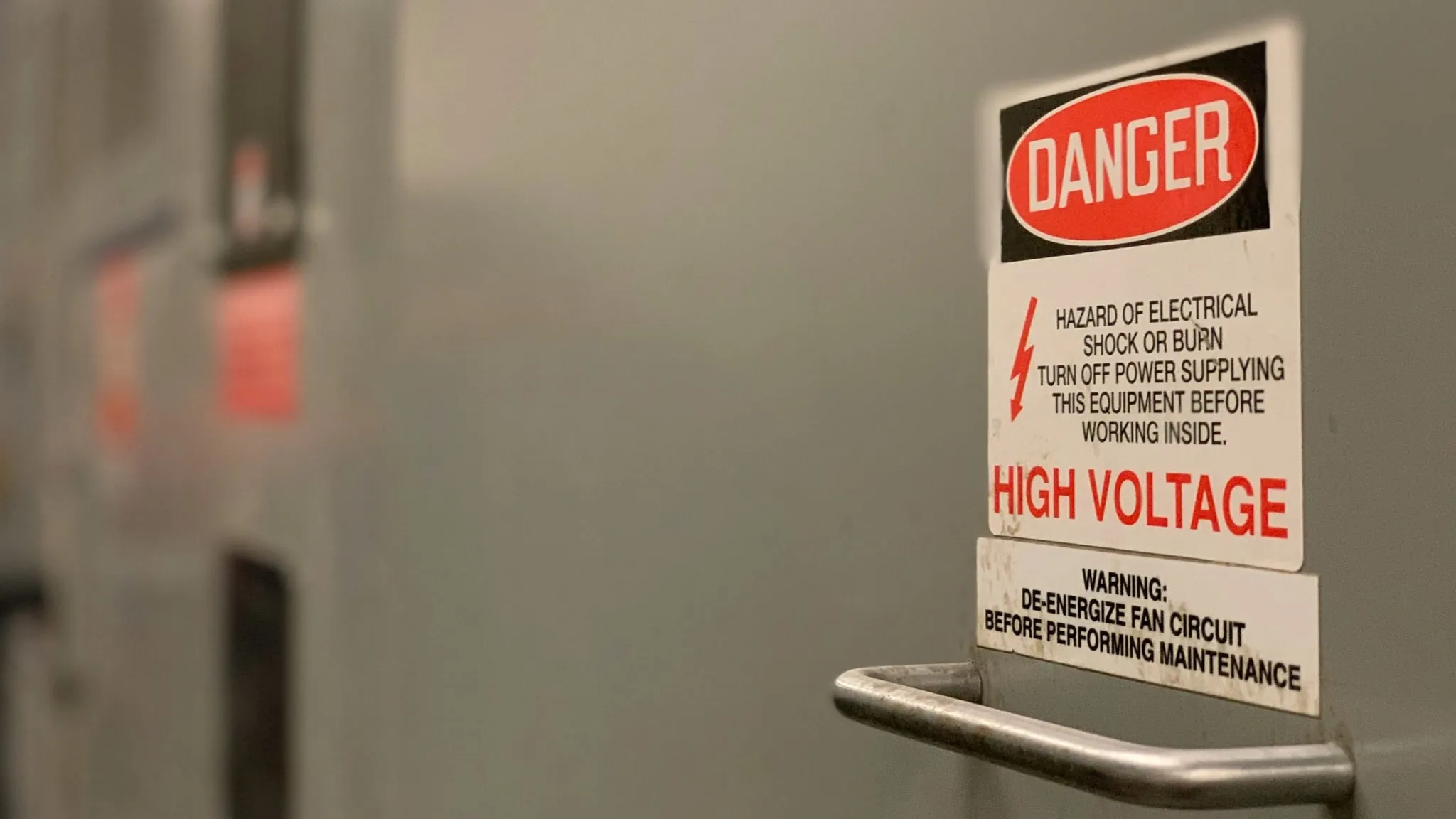
Hazardous Area Classification-NFPA/NEC
Determine where electrical equipment needs to be rated for flammable or combustible atmospheres, based on NFPA 497, 499, and the NEC Class/Division framework.
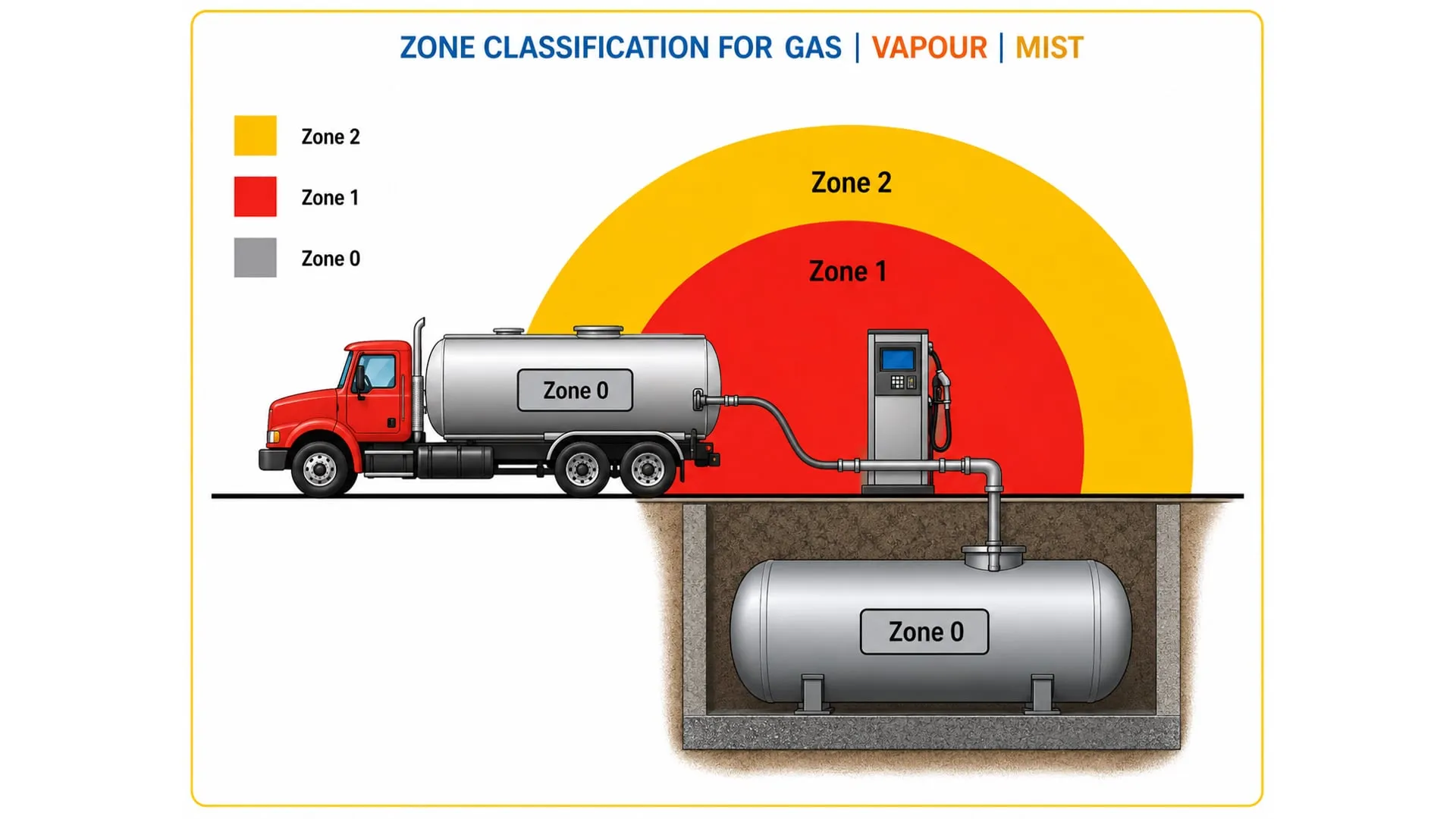
Hazardous Area Classification-IEC
The same classification question, framed for the IEC Zone system used on international projects and equipment supplied outside the US.
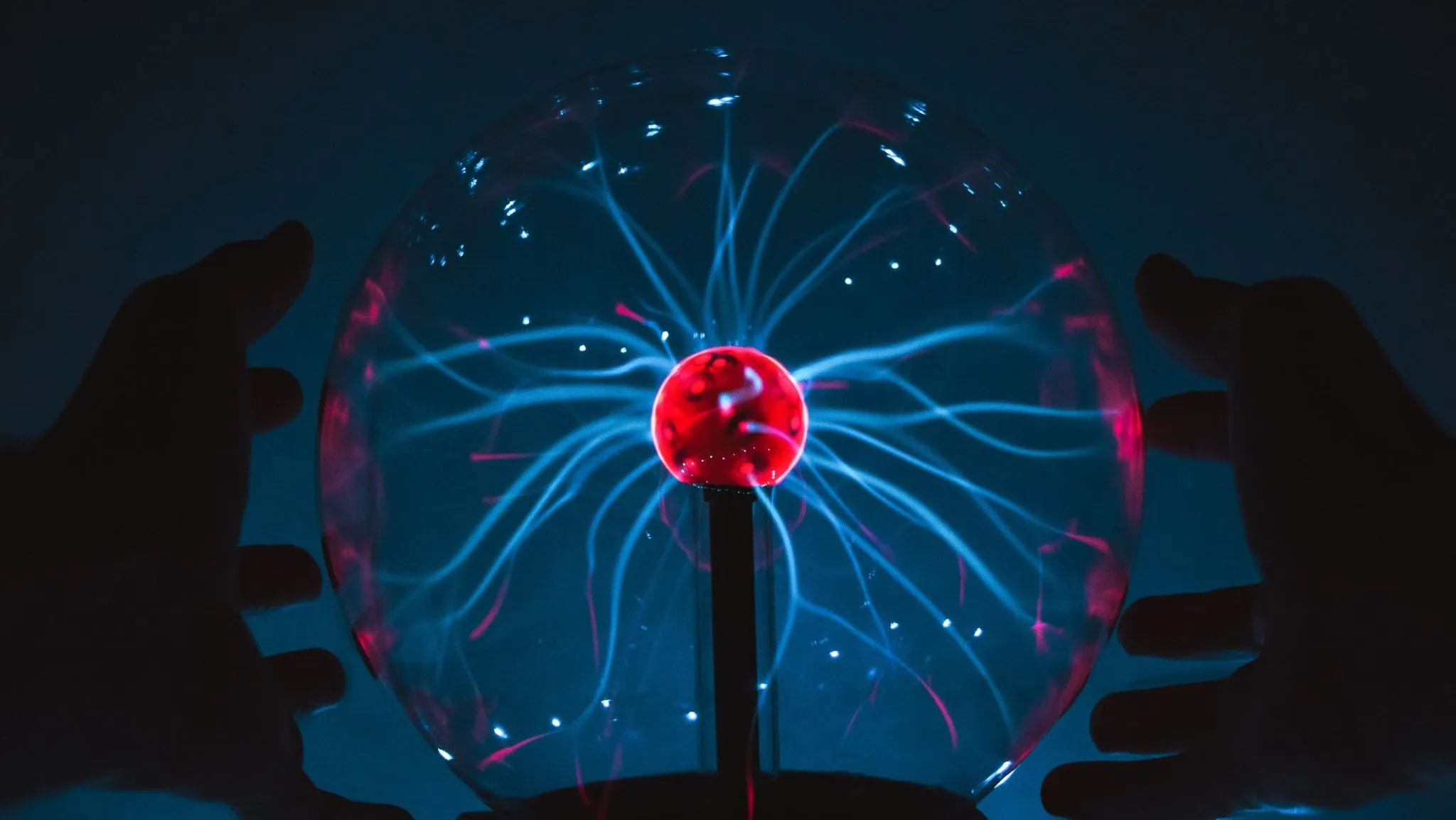
Electrostatic Hazard Analysis
Evaluate whether static electricity is a credible ignition source in your process, aligned with NFPA 77, and what bonding, grounding, or procedural controls actually reduce that risk.
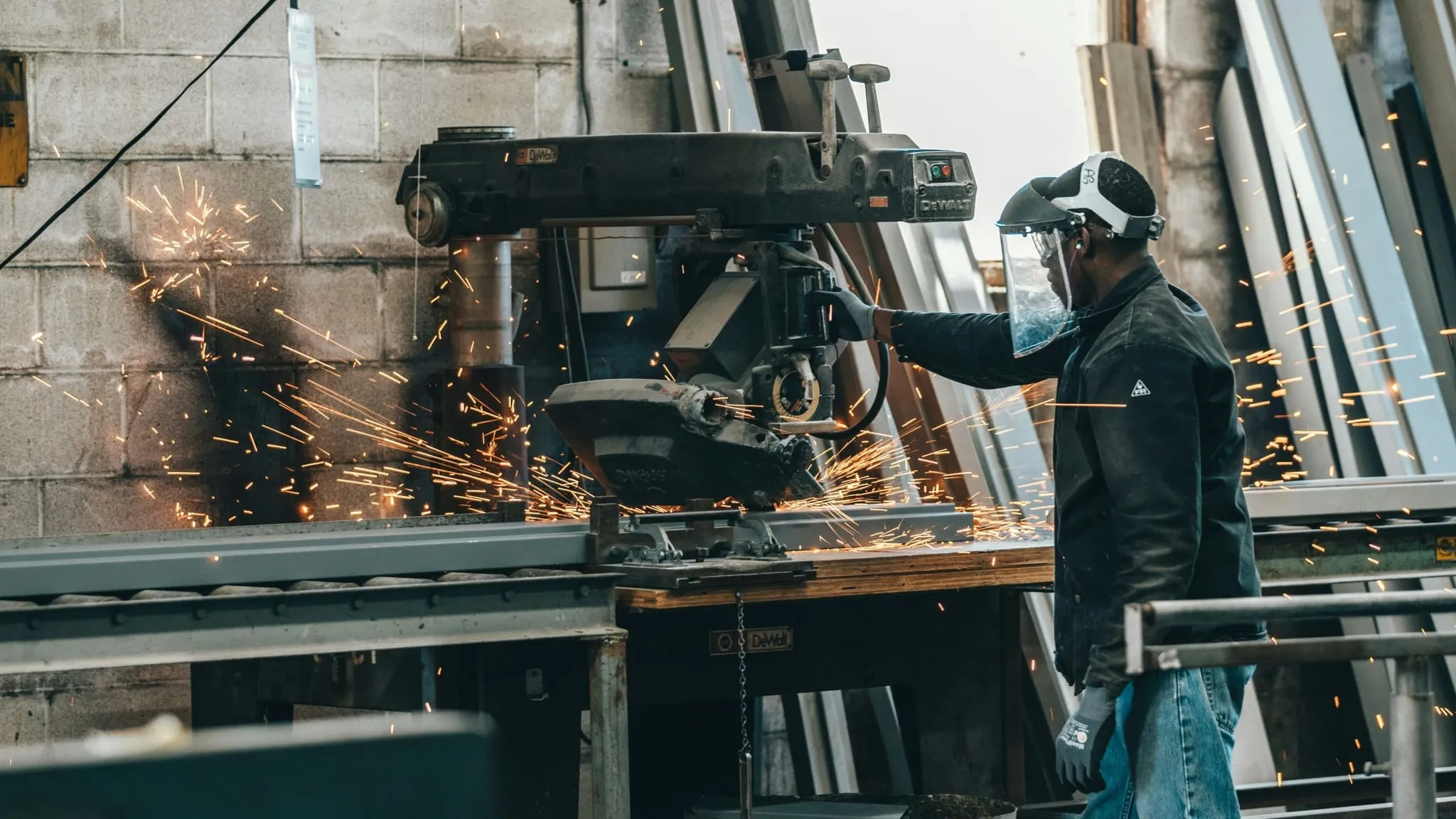
Ignition Source Analysis
Identify which electrical, mechanical, thermal, or static ignition sources are credible for your equipment and explosive atmosphere, aligned with IEC 60079 and ISO 80079.
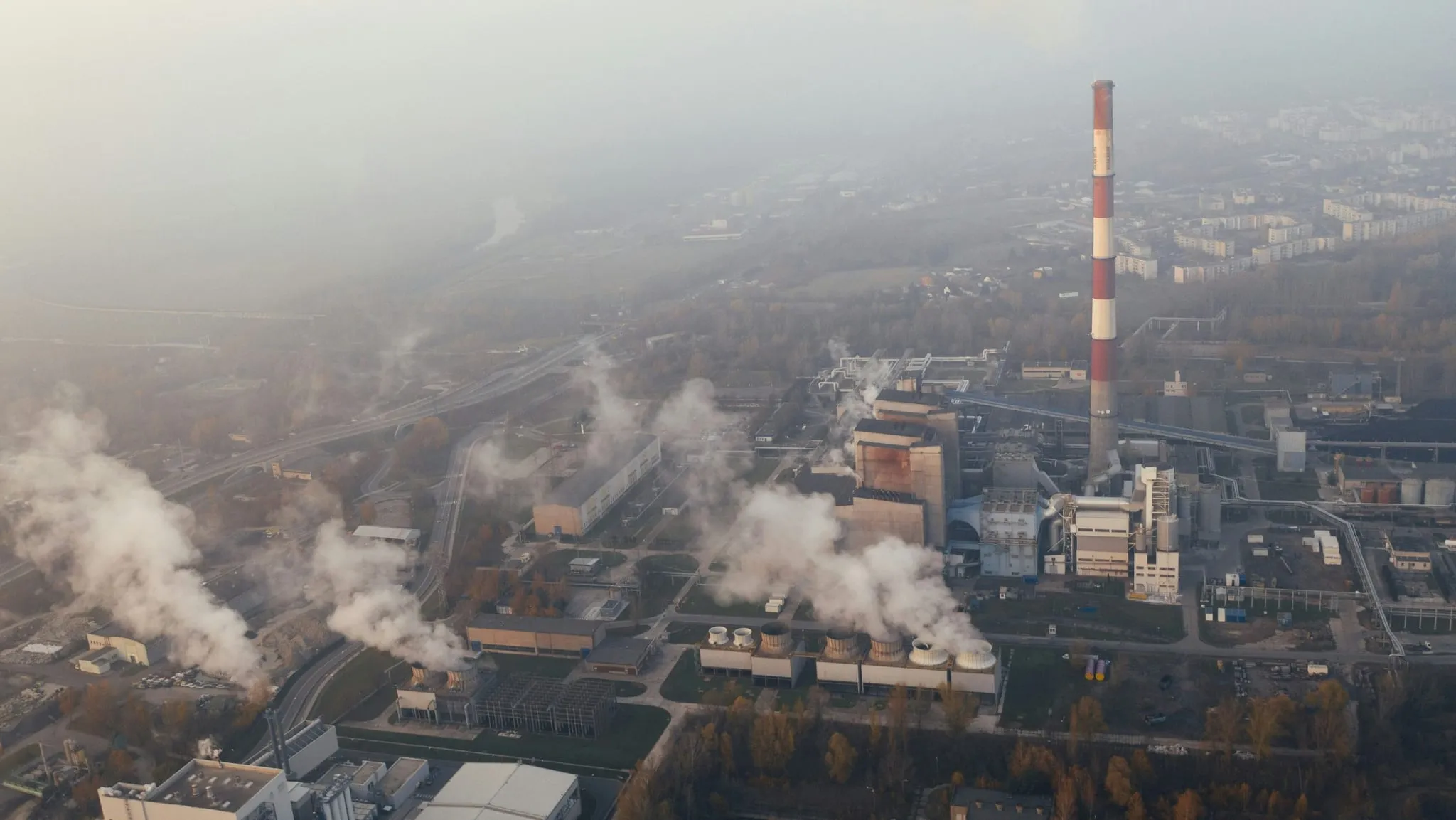
Chemical Reaction Hazard Analysis
Understand the thermal and reactive hazards in your process chemistry before a runaway reaction, overpressure, or decomposition event finds them for you.
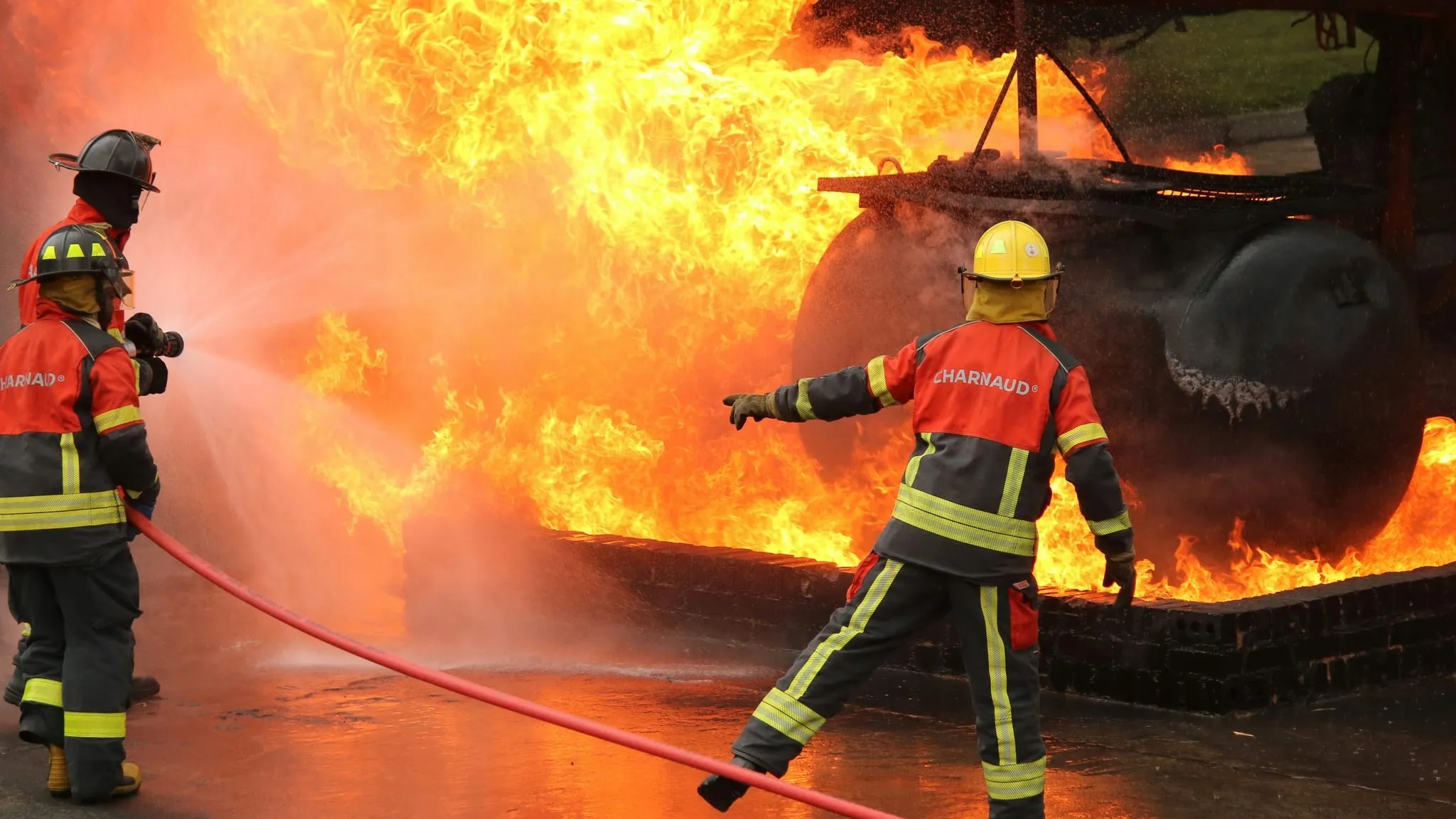
Flammable Liquid Fire & Explosion Analysis
Evaluate storage, transfer, ventilation, and ignition control for flammable and combustible liquids, aligned with NFPA 30.
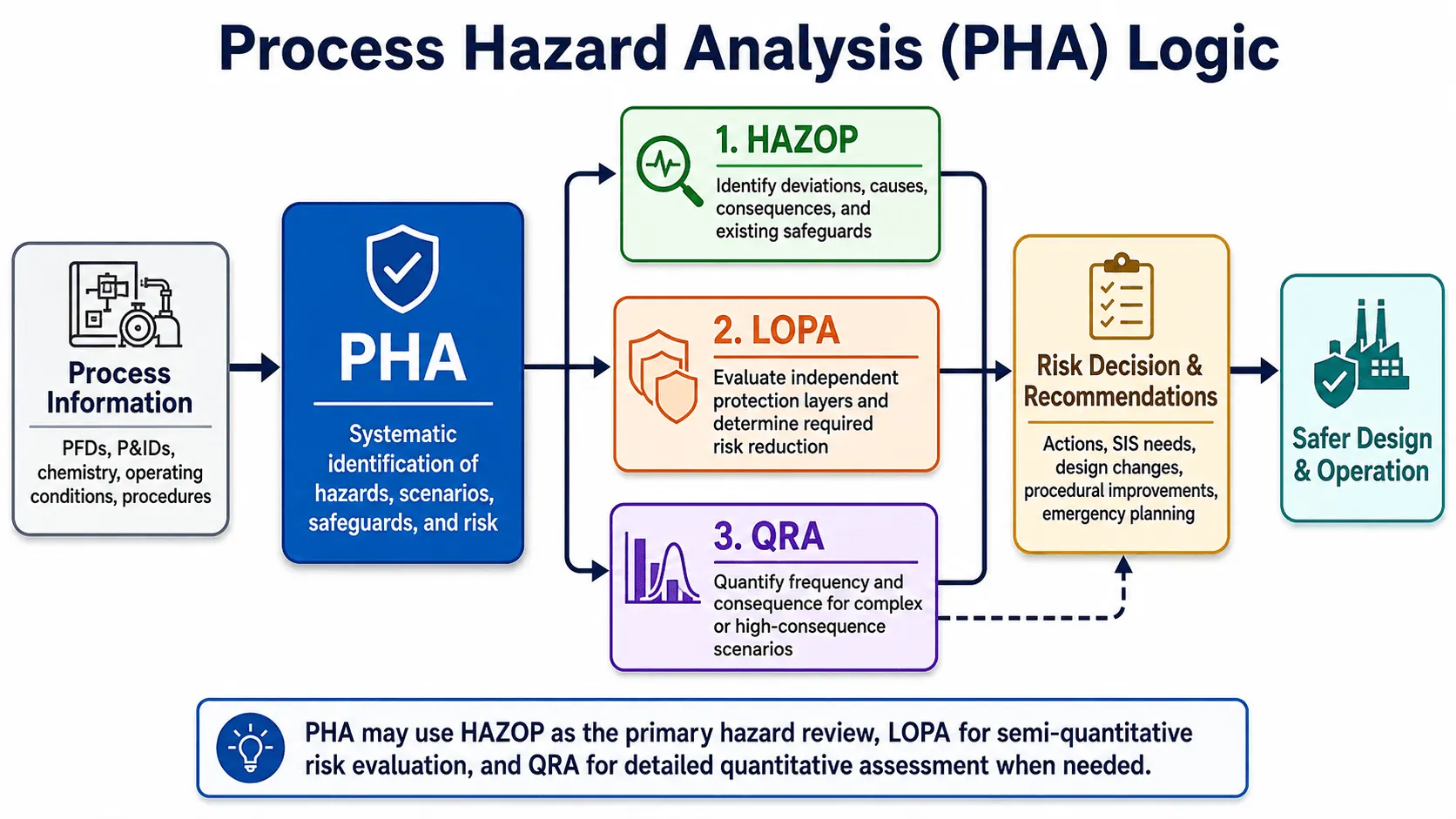
Process Hazard Analysis (PHA)
Structured, team-based evaluation of process deviations, causes, consequences, and safeguards. Provides a defensible technical basis for risk-reduction decisions.
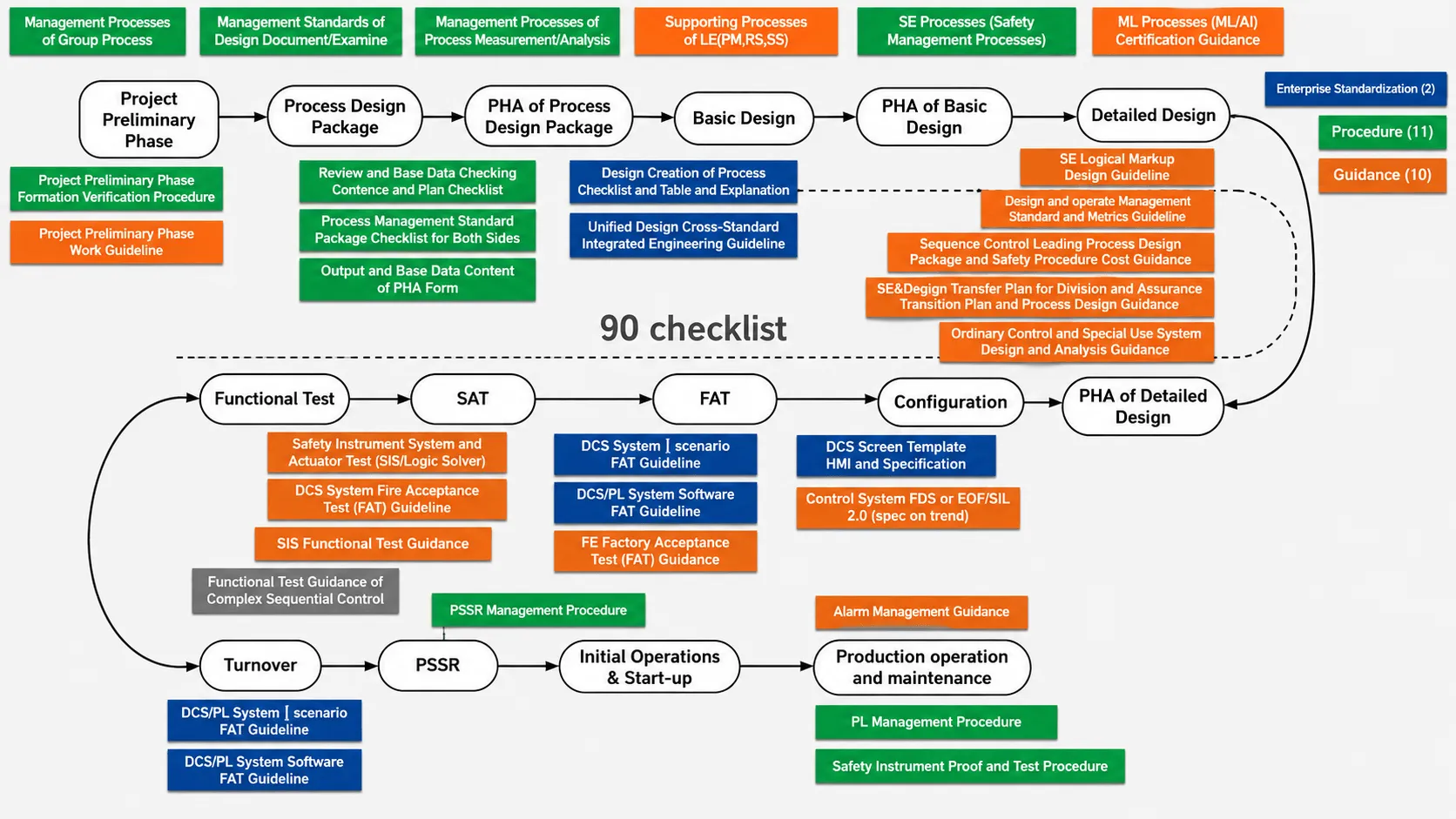
Process Safety Management Program
Build or strengthen a PSM program aligned with OSHA’s core elements, from process safety information through incident investigation.
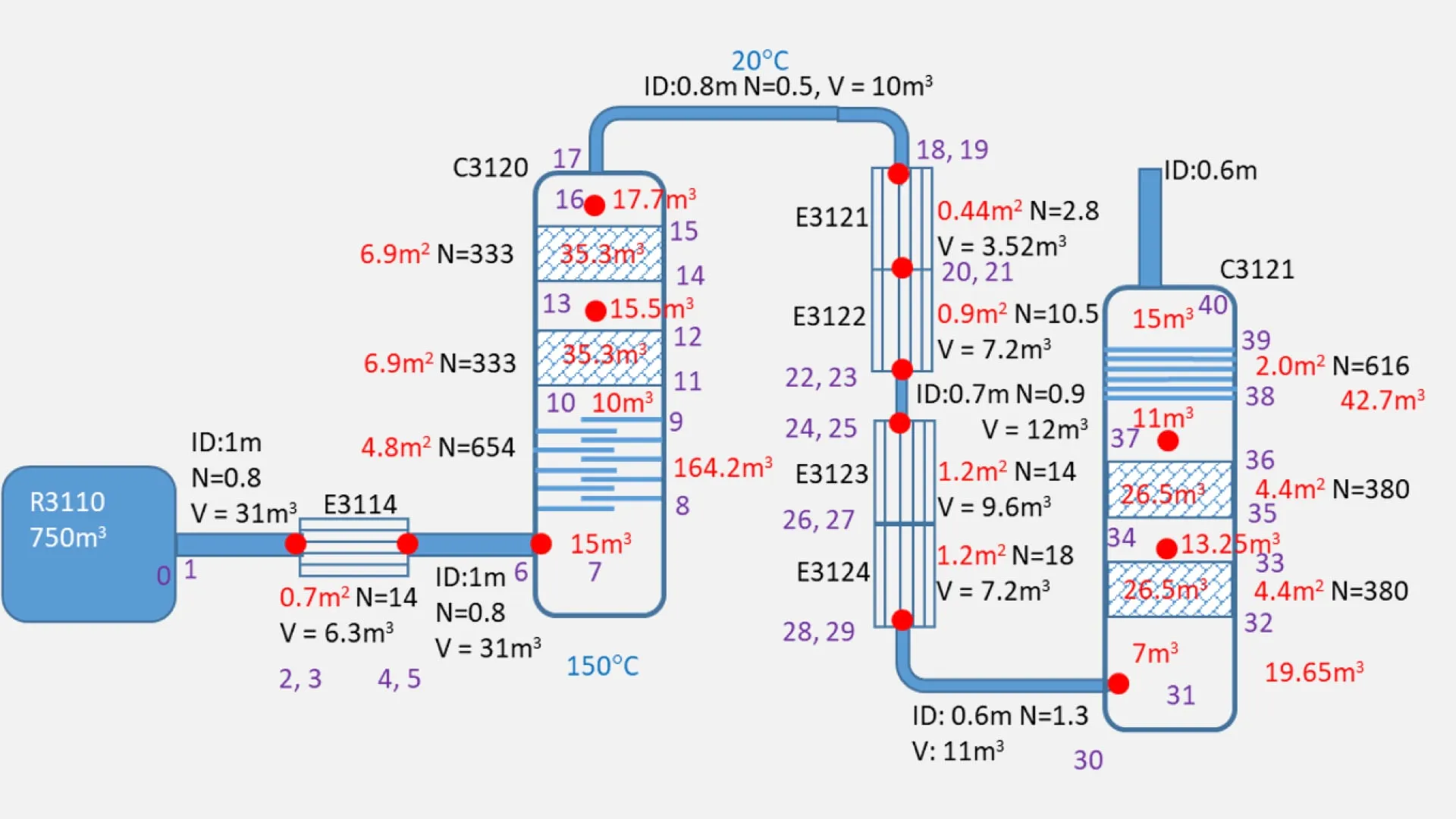
Pressure Relief System Design Analysis
Confirm your relief devices are sized for the actual credible overpressure scenario, including reactive and two-phase cases using DIERS informed methods.

Occupancy Analysis & Fire and Building Code
Define occupancy classification and code basis early, aligned with IBC/IFC, before it becomes a permit delay or costly redesign.
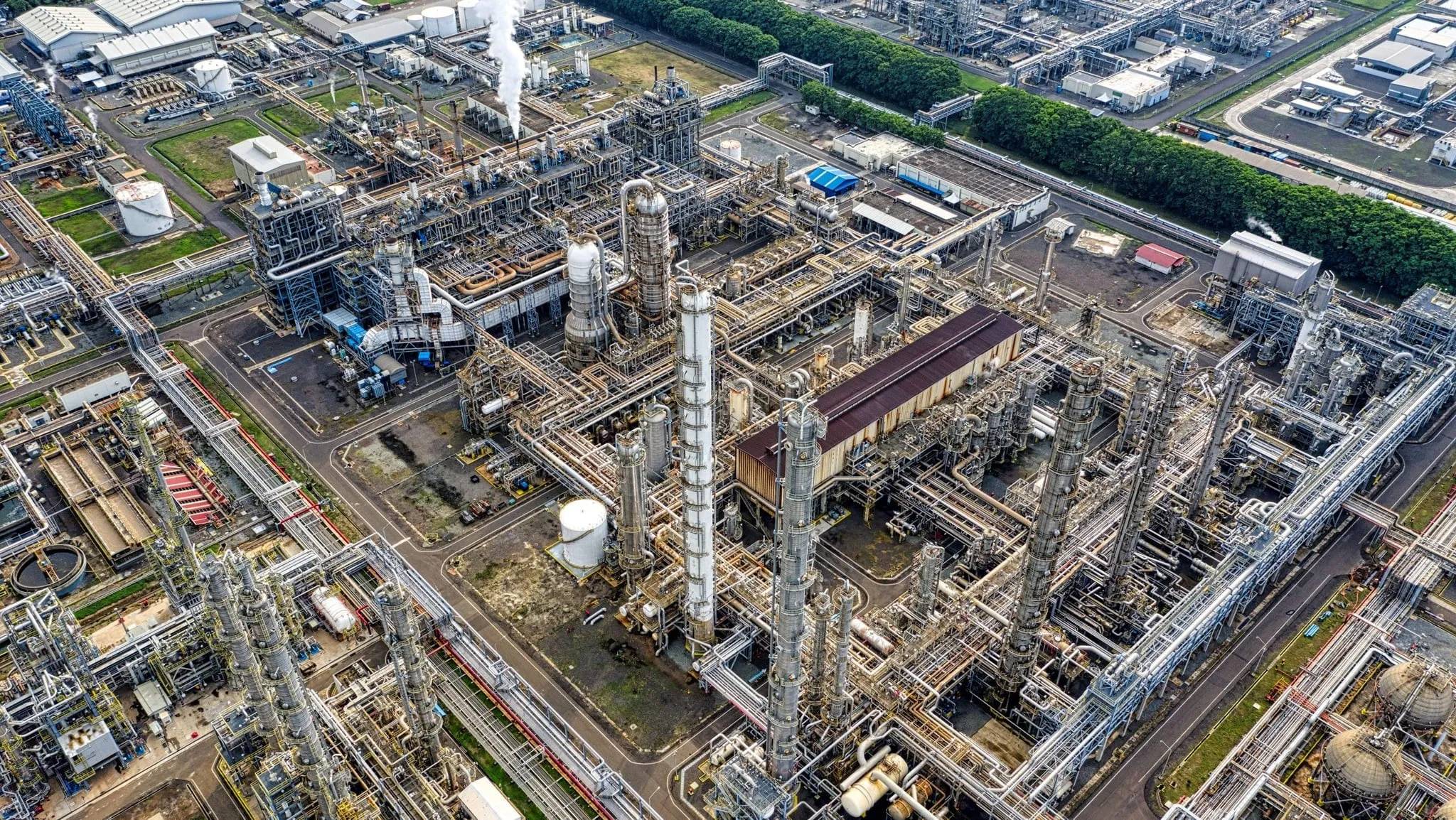
Facility Siting
Determine whether occupied buildings are far enough, or protected well enough, from credible fire, explosion, or toxic release scenarios.
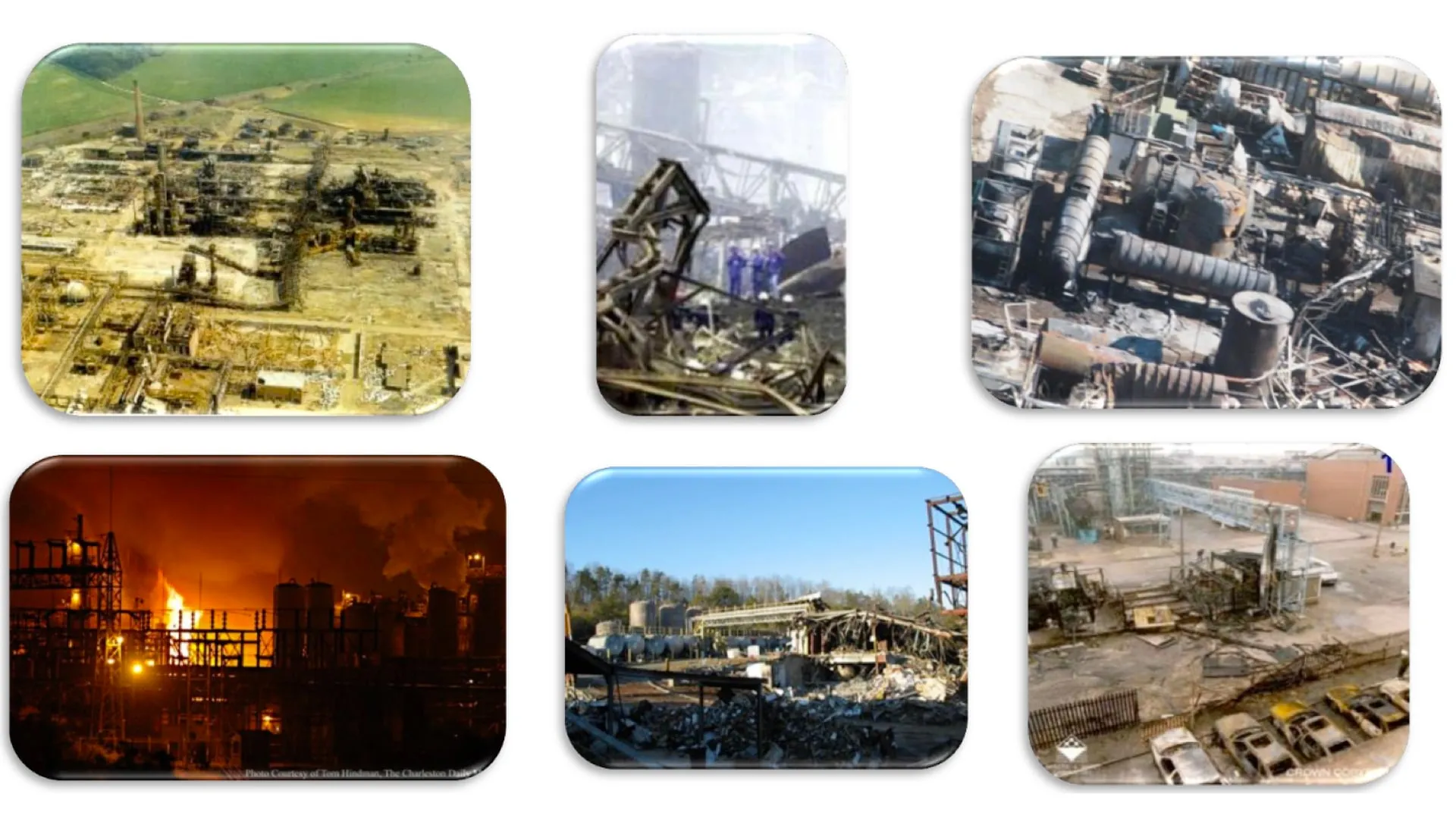
Incident Investigation
Prompt, technical investigation after a fire, explosion, release, or high-potential near miss, with corrective actions tied to the actual root cause.