Laboratory Testing
Testing
What Is Process Safety Laboratory Testing?
A test result on its own doesn’t tell you much. A Kst value, a minimum ignition energy, a flash point, these are only useful once someone connects them to your actual equipment, your actual process, and the decision you’re trying to make. HazBasis runs the testing, but the work doesn’t stop at the number: we document the tested condition, explain what the result actually means, flag its limitations, and connect it to the process safety decision it’s meant to inform.
We provide focused laboratory testing for fire, explosion, electrostatic, self-heating, transportation, and product-property decisions, not a generic testing menu you have to interpret yourself.
Not sure which test fits your project? Reach out and we’ll help you scope it.
Our Services
What are you testing?
Dusts & Powders
12 tests
Combustible Dust Testing
Obtain defensible explosibility, ignition-sensitivity, and thermal-ignition data for Dust Hazard Analyses, equipment protection design, and safe powder handling.
Learn MoreSelf-Heating & Thermal Instability Testing
Define safe drying, storage, transport, and bulk-handling conditions by measuring how powders generate and retain heat in realistic configurations.
Learn More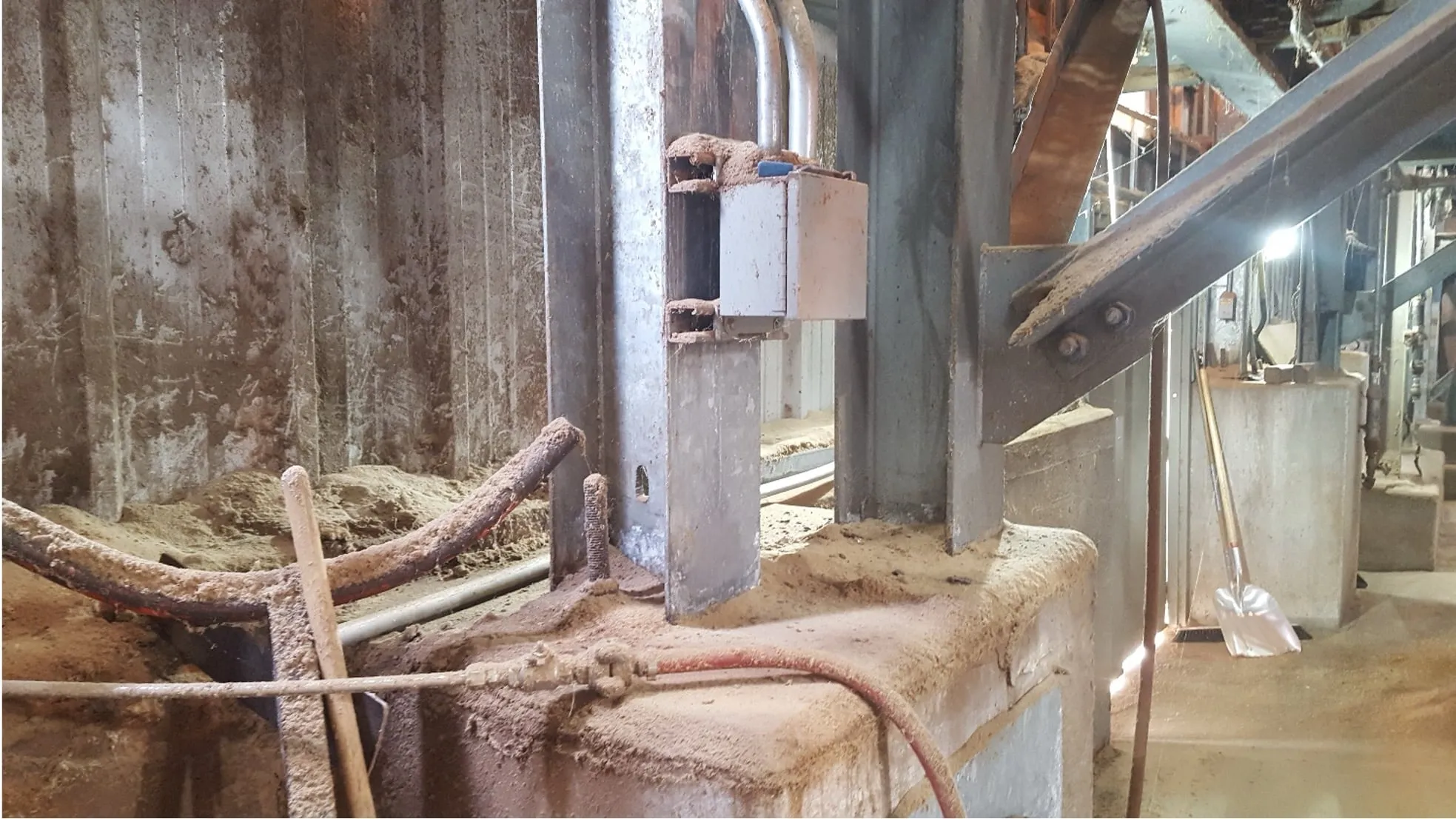
- Go/No-Go Combustible Dust Explosibility Screening
- Dust Explosion Severity Testing (Kst, Pmax, and dP/dt)
- Minimum Explosible Concentration (MEC) Testing
- Limiting Oxygen Concentration (LOC) Testing Dust
- Minimum Ignition Energy (MIE) Testing
- Minimum Autoignition Temperature of a Dust Cloud (MAIT)
- Minimum Ignition Temperature of a Dust Layer (LIT)
- Particle Sieve Analysis for Powder Testing
- Moisture Content / Loss-on-Drying Testing
- Cryogenic Milling Sample Preparation
- Self-Heating Screening Testing
- Basket Self-Heating & Scale-Up Testing
Liquids, Vapors & Gases
6 tests
Gas & Vapor Flammability Testing
Generate flash point, flammability-limit, and autoignition-temperature data for classification, process design, ventilation, and ignition-control decisions.
Learn MoreSDS Physical Property Testing
Fill critical SDS data gaps with measured boiling point, melting point, vapor pressure, pH, relative density, and bulk-density results.
Learn MoreReactive Chemicals
4 tests
Reactive Chemical Hazard Testing
Characterizes thermal stability, decomposition behavior, and runaway reaction potential using calorimetry methods. Provides the data needed to define safe operating limits, scale-up conditions, and relief system design for reactive processes.
Learn MoreBattery Thermal Safety Testing
Characterizes battery self-heating, thermal runaway, and gas generation using ARC and pressure vessel testing. Provides data for BMS thresholds, cooling design, and explosion protection.
Electrostatics
11 tests
Electrostatic Hazard Testing
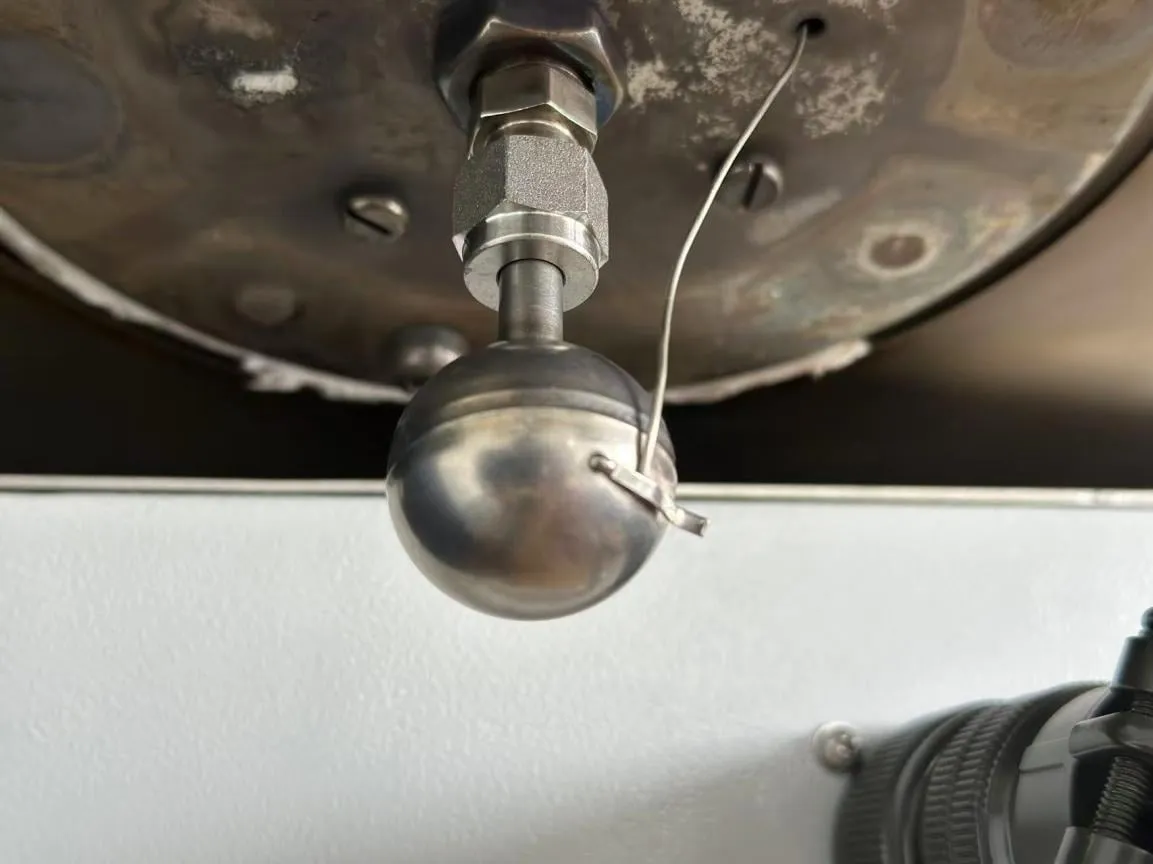
Measure charge generation, charge retention, conductivity, resistance, and discharge energy to support practical ignition-risk controls.
Learn More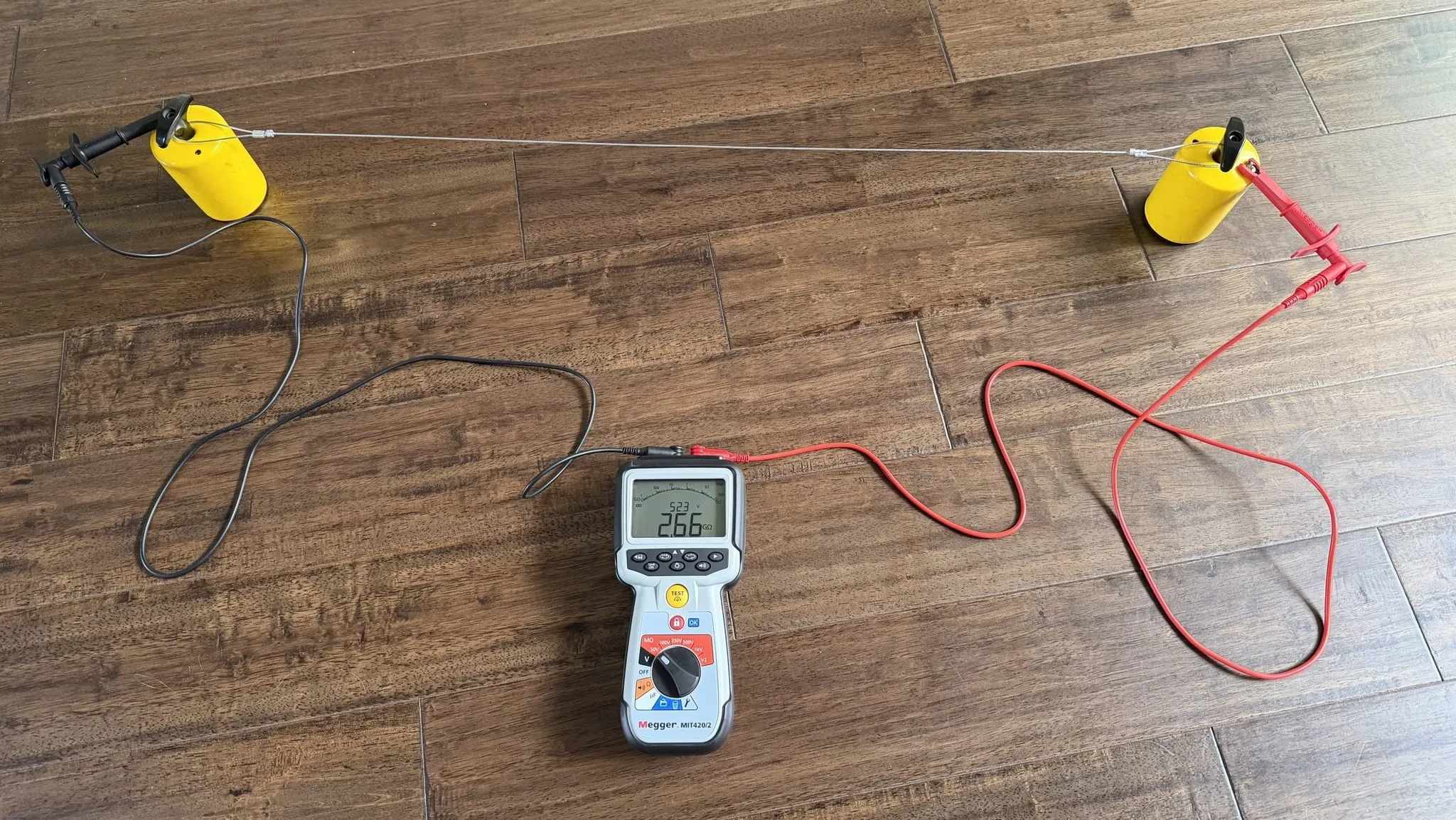
- Volume Resistivity Testing
- Surface Resistivity Testing
- Charge Decay / Relaxation Time Testing
- Electrostatic Charge Transfer Measurement
- Breakdown Voltage Testing
- Liquid Electrical Conductivity Testing
- FIBC Electrostatic Classification Testing
- Sparks from Isolated Conductors and Insulators Testing
- Igniting Power of Insulating Materials Testing
- Integrated Electrostatic Discharge Testing
- ASTM F150 Floor Resistance Testing
Transport (UN/DOT)
4 tests
UN/DOT Hazard Classification Testing
Support dangerous-goods classification and packing-group decisions with documented tests from the UN Manual of Tests and Criteria.
Learn MoreWhat You Receive
- A test program scoped to the decision you actually need to make, not an unnecessary bundle of tests
- Documented sample condition, preparation, conditioning, method, and test variables
- Clear results, with raw or plotted data as applicable, acceptance or classification criteria, and stated limitations
- Practical interpretation for DHA, PHA, equipment protection, electrostatic control, SDS, or transport classification purposes
- Access to process safety professionals for follow-up questions and additional testing strategy
Why Choose HazBasis
- Testing without context is just a number on a page. We interpret every result against real equipment, real operations, and real safeguards, so it actually answers the engineering question you started with.
- We don’t default to running every test we offer. Part of the value is helping you figure out which tests actually answer your question, whether that’s a quick Go/No-Go screen or a full Kst and Pmax program, so you’re not paying for data you don’t need.
- Every report shows its work: sample condition and method details are documented and visible, not buried or omitted, which is what makes the result defensible when it’s reviewed by an AHJ, an insurer, or your own engineering team.
- Because testing connects directly to the rest of our work, a result can feed straight into a DHA, an Electrostatic Hazard Analysis, a PHA, or an incident investigation without you having to re-explain your process to a new team each time.