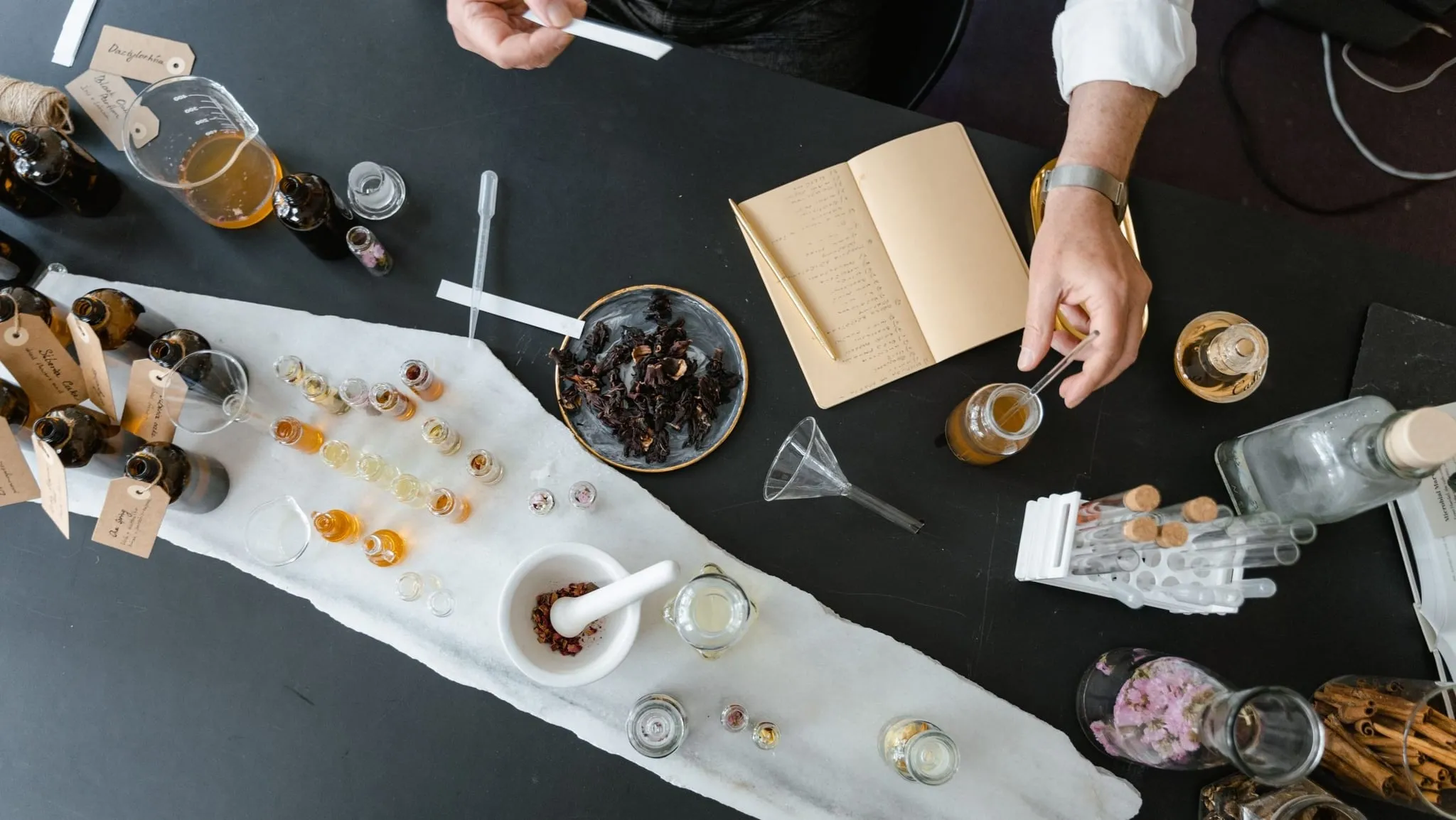
Flavor and fragrance manufacturing runs on concentrated, often highly flammable materials handled in relatively small quantities compared to a typical chemical plant, which can create a false sense of security. A facility might not have the tank farms or bulk storage of a large chemical operation, but essential oils, alcohols, aldehydes, and other aromatic compounds are frequently low flash point liquids handled in open blending, compounding, and filling operations, and the scale of the process doesn’t change the scale of the vapor cloud a spill or a splash-filling event can create.
Solvent extraction and distillation add another layer, since these processes concentrate flammable vapors in equipment that’s often older or retrofitted rather than purpose-built for the hazard. And because flavor and fragrance compounding frequently happens in smaller, specialty facilities, static electricity control, ventilation adequacy, and hazardous area classification sometimes get less rigorous attention than they would in a larger chemical manufacturing environment, even though the underlying flammability hazard is just as real.
HazBasis works with flavor and fragrance manufacturers on flammable liquid fire and explosion analysis for blending, compounding, and filling operations, hazardous area classification for solvent extraction and distillation equipment, and electrostatic hazard analysis for transfer operations involving nonconductive containers and low conductivity liquids. We also support the laboratory testing, flash point, flammability limits, and liquid conductivity, that underlies SDS documentation and safe handling procedures for these often concentrated, low flash point materials.