Why Combustible Dust Testing Matters
You cannot reliably assess a combustible dust hazard based on appearance, an SDS statement, or a value from general literature. Particle size, moisture, formulation, contamination, and process conditions can all shift how a powder ignites and how severe a deflagration turns out to be, sometimes significantly, even when the material looks identical to what you tested last year.
HazBasis builds focused test programs around the specific question behind your Dust Hazard Analysis, your process design, or your incident review, not a standard package applied regardless of what you actually need to know.
Not sure what dust testing you need? Reach out and we’ll help you scope it.
Common Project Objectives
This testing typically supports DHA and combustible dust compliance programs, explosion venting, suppression, isolation, and containment design, electrostatic and hot surface ignition assessments, management of change reviews for new powders, formulations, or suppliers, and incident investigation or corrective action verification.
Why Choose HazBasis
- Experienced laboratory and process safety personnel, not lab technicians running methods in isolation
- A clear separation between the measured result, the interpretation, and the engineering recommendation, so you know which is which
- Laboratory data that connects directly to DHA, EHA, PHA, incident investigation, and protection design work
- Direct technical communication from scoping through the final report
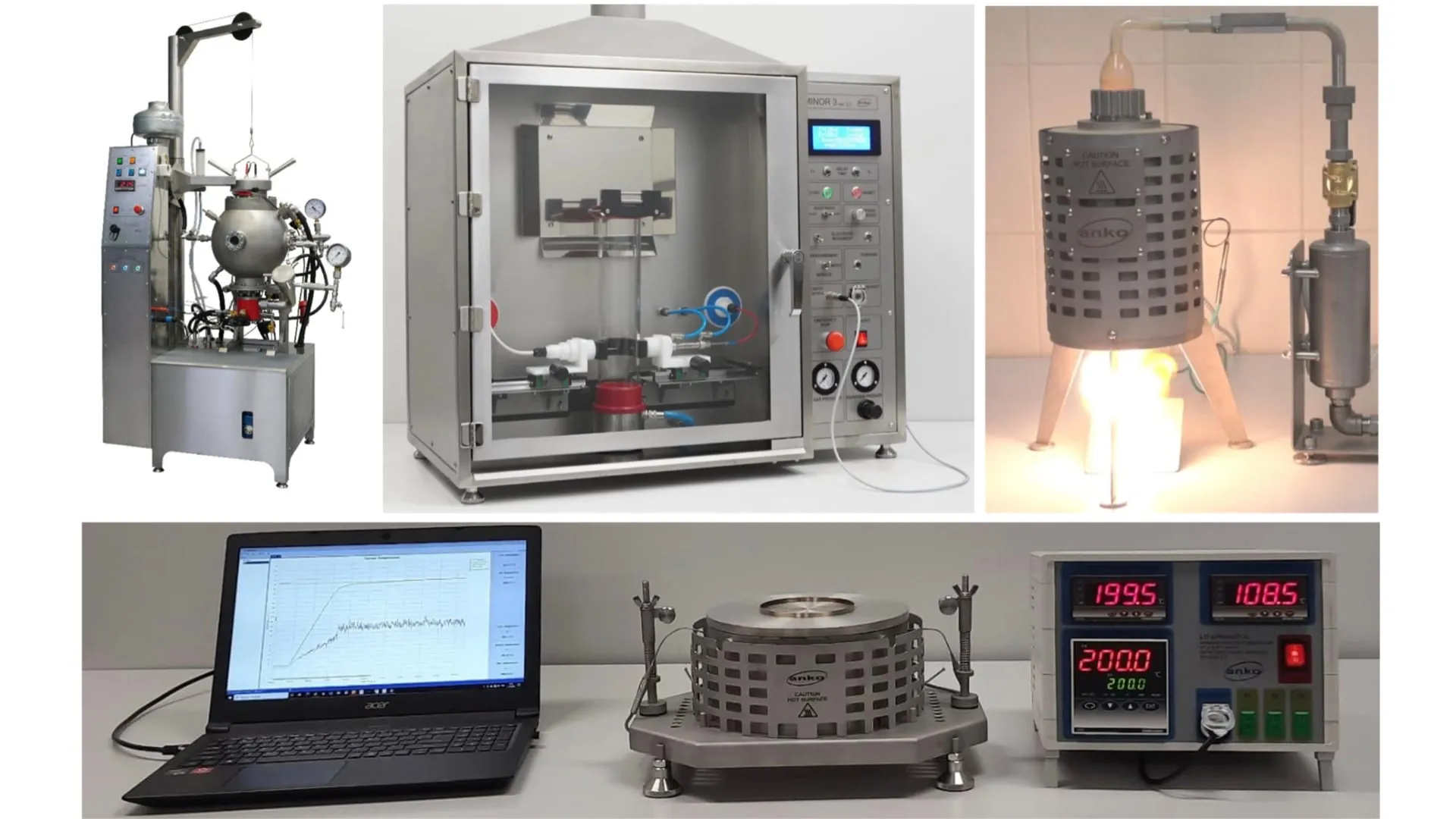
Available tests
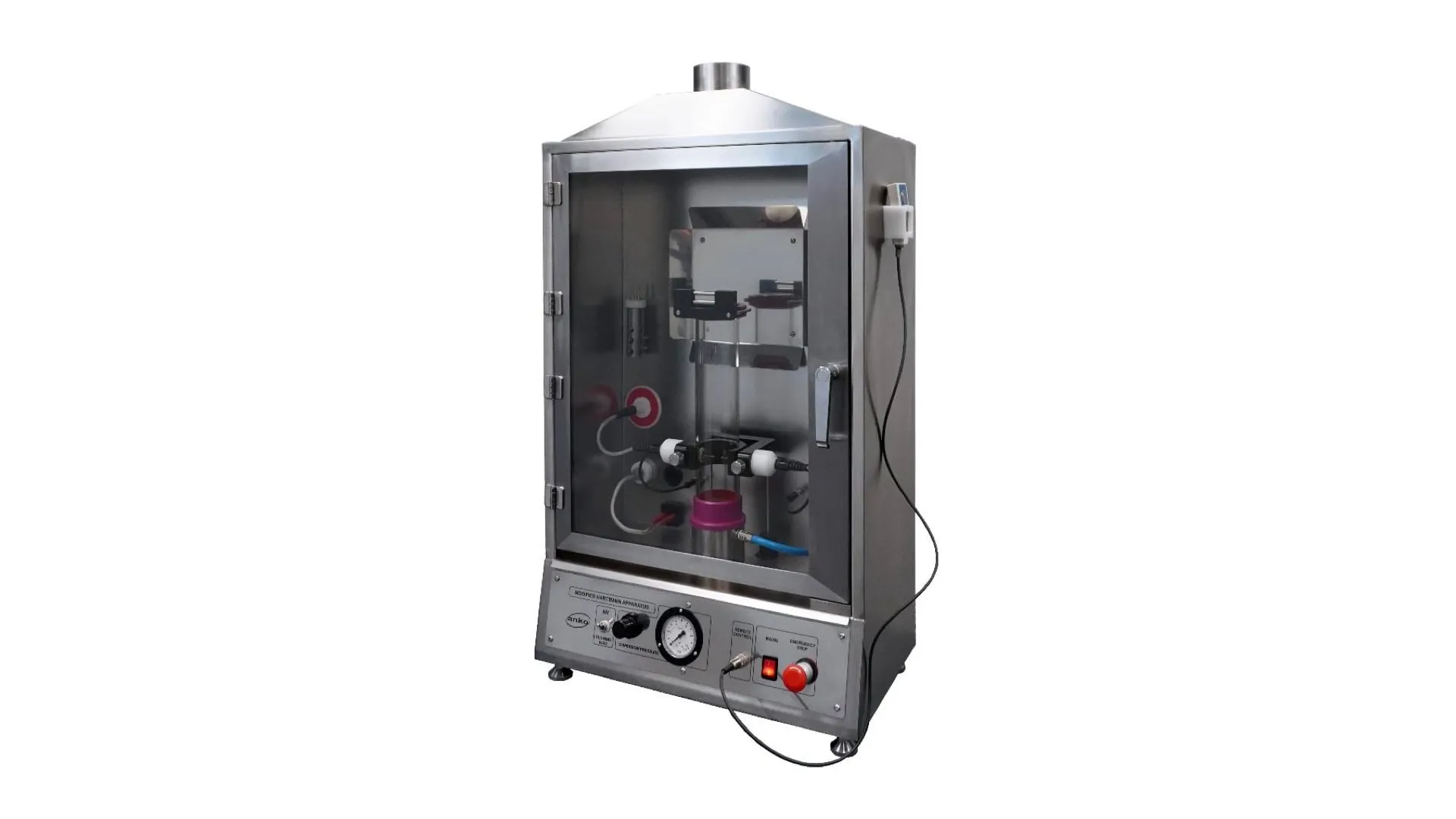
Go/No-Go explosibility screening
A quick screening test to determine whether a dust is capable of propagating a deflagration at all. Often the first step before committing to more extensive testing.
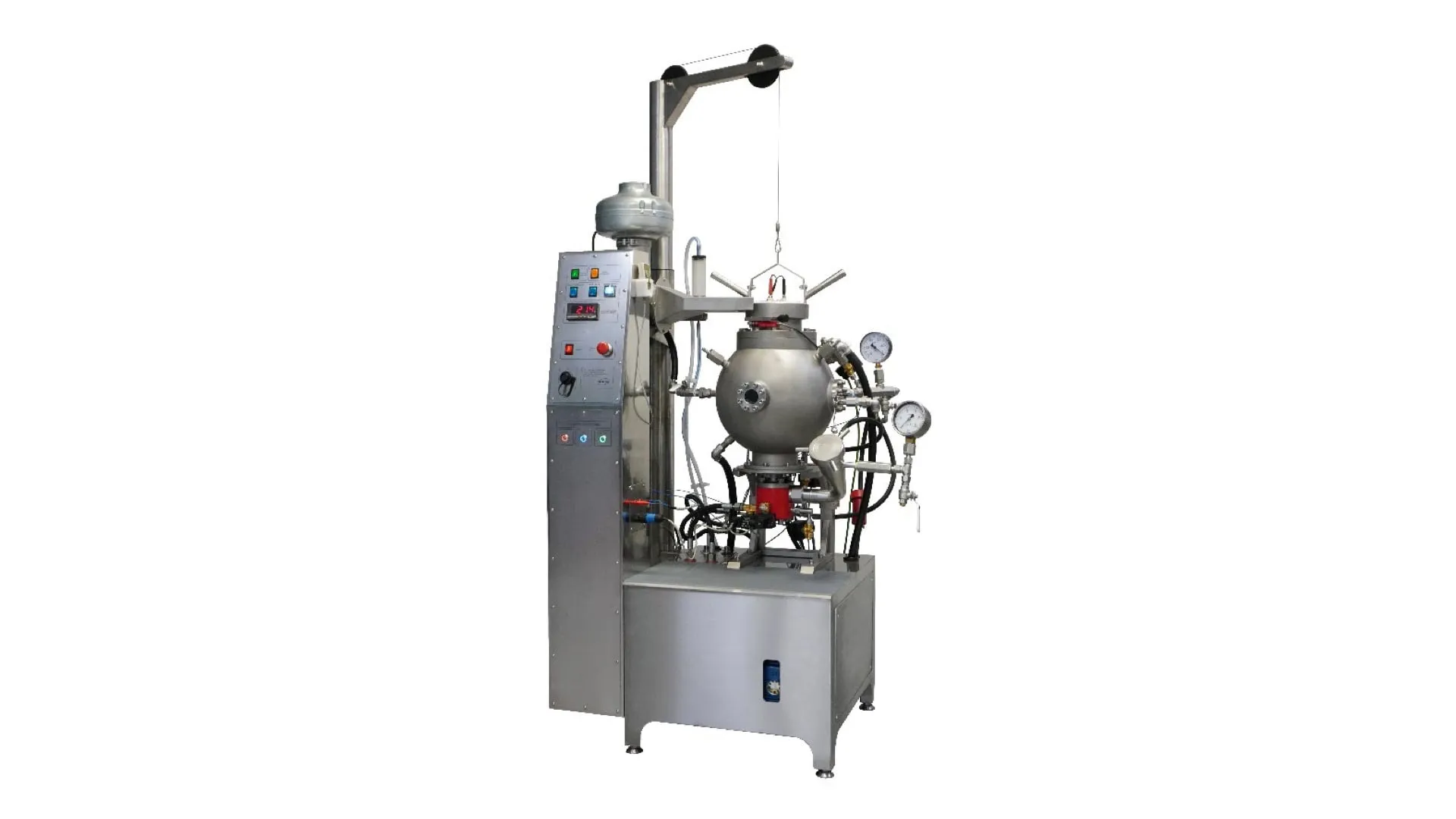
Dust explosion severity: Kst, Pmax, and (dP/dt)max
Measures how violently a dust cloud can explode, giving you the data needed to size explosion venting, suppression, or isolation systems. This is the core input for most equipment protection design.
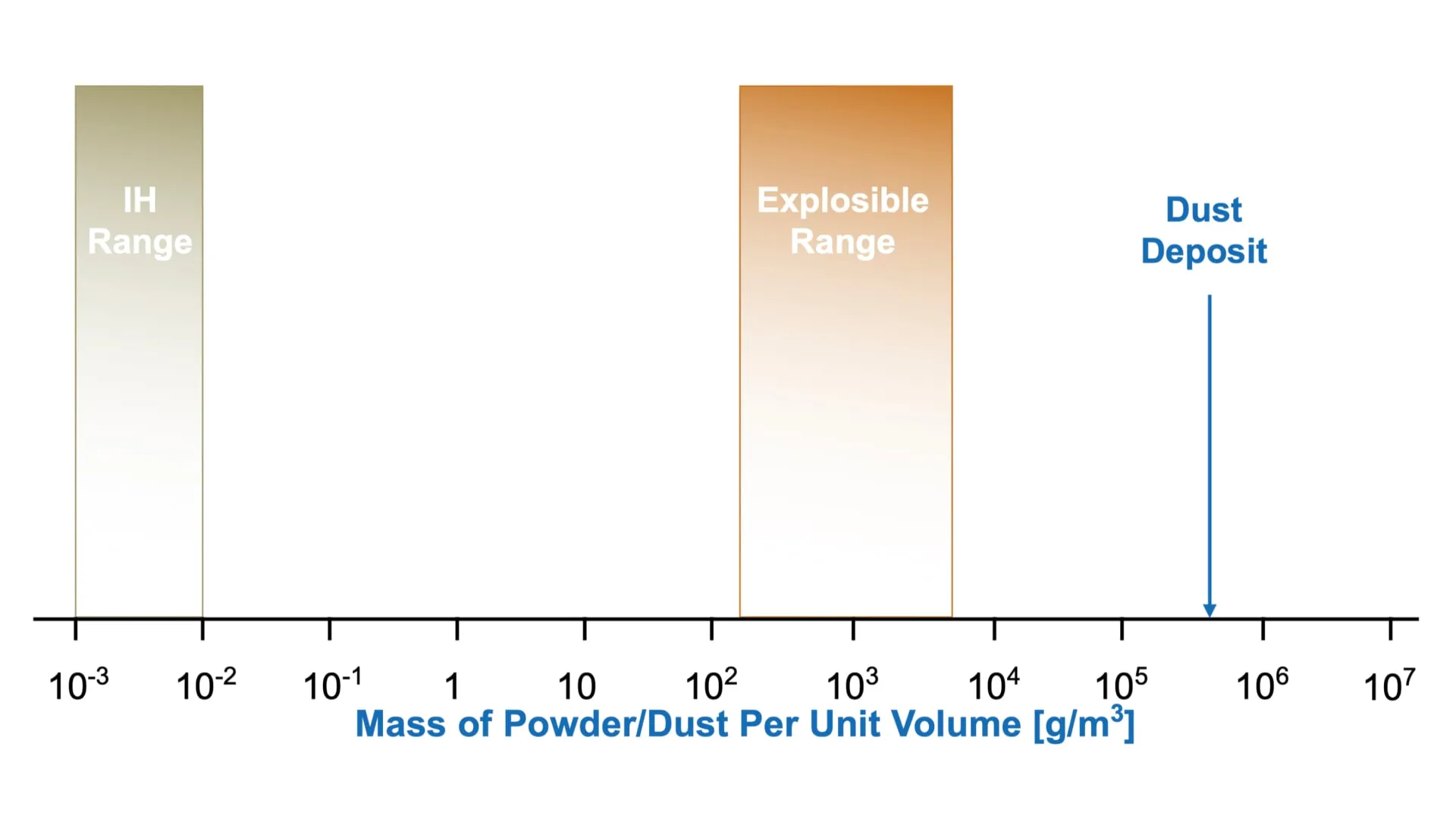
Minimum Explosible Concentration (MEC)
Determines the lowest dust concentration in air capable of sustaining an explosion. Used to set safe operating thresholds and evaluate housekeeping and dust control priorities.
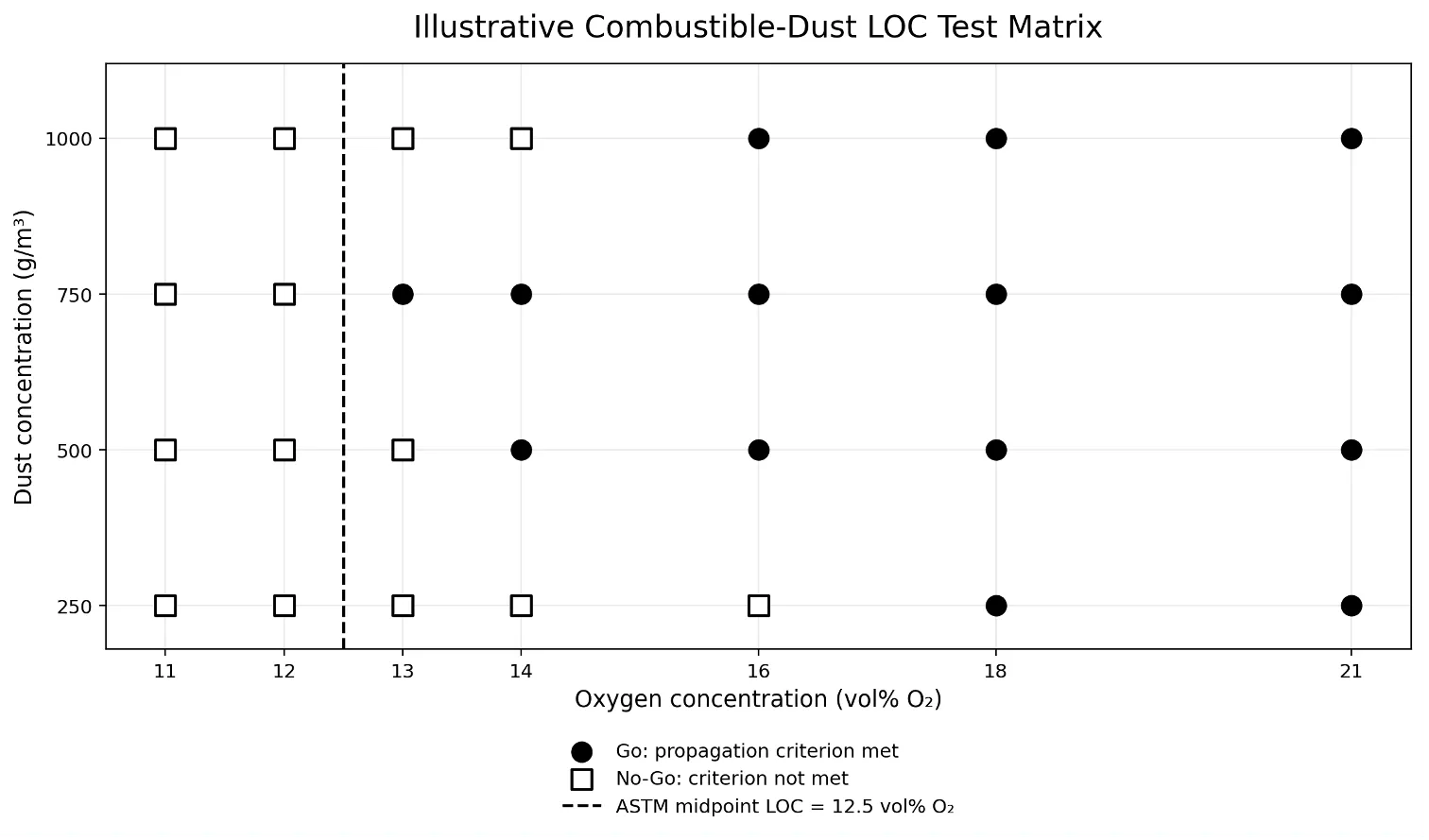
Limiting Oxygen Concentration (LOC)
Identifies the oxygen level below which a dust cloud can no longer ignite. Supports inerting system design for processes handling highly reactive powders.
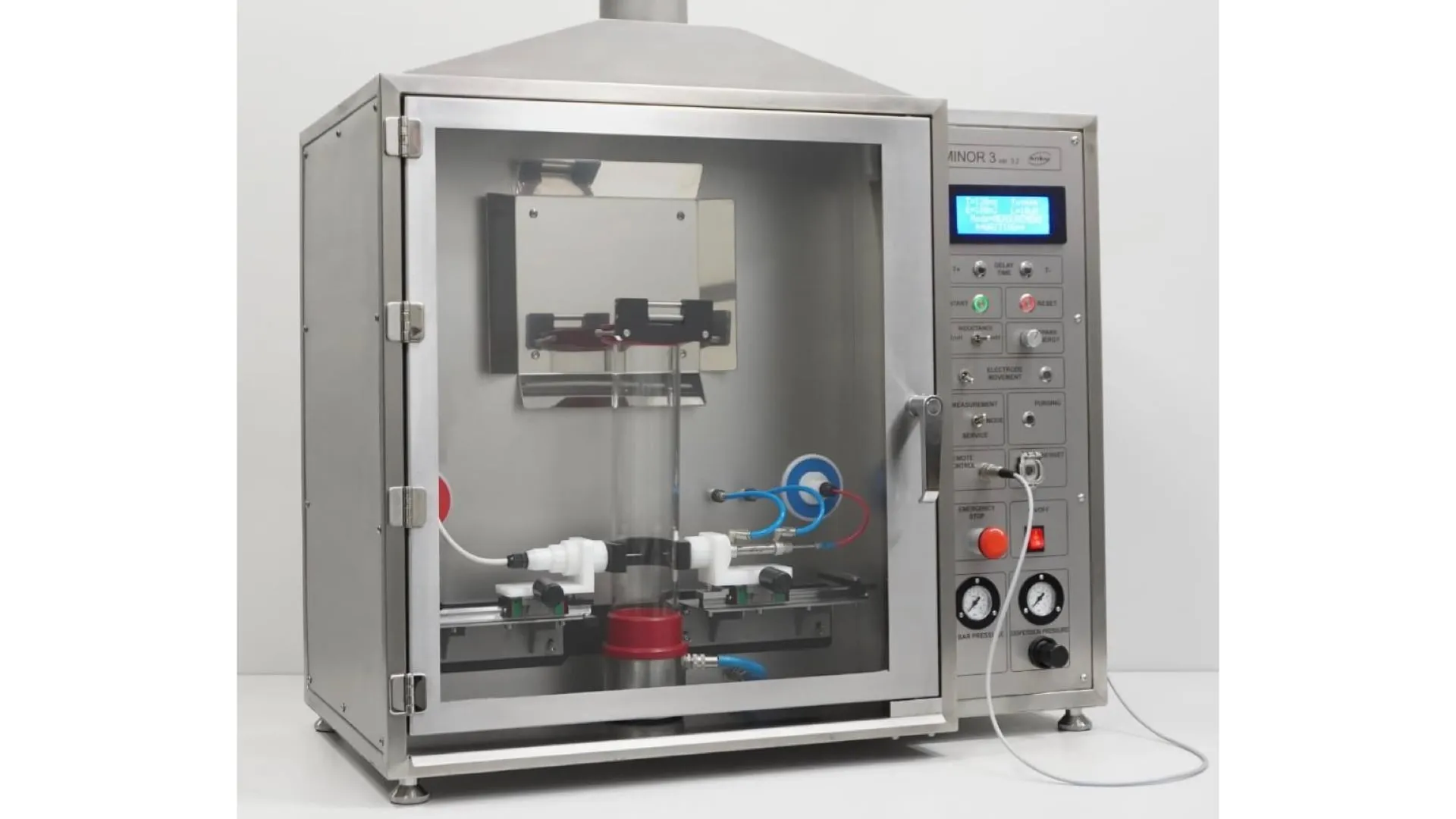
Minimum Ignition Energy (MIE)
Measures how little energy, including static discharge, is needed to ignite a dust cloud. A key input for evaluating electrostatic and spark ignition risk.
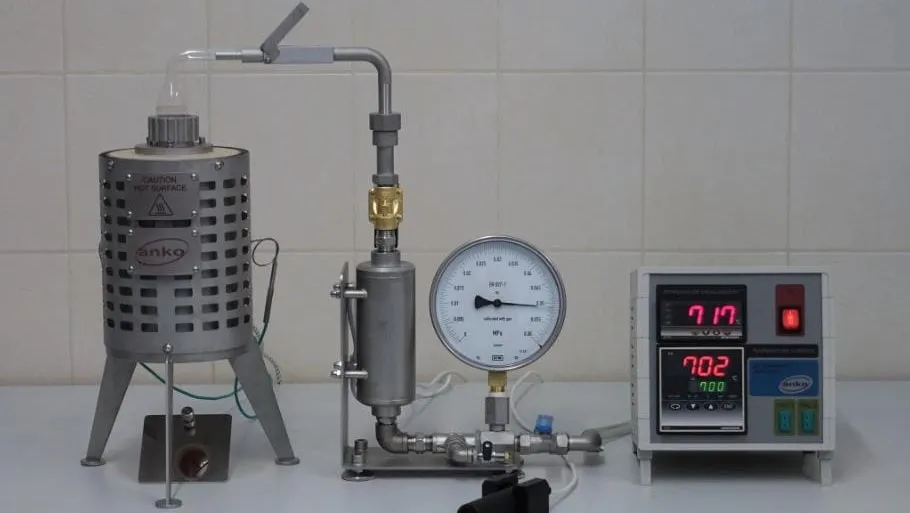
Minimum Autoignition Temperature of a Dust Cloud (MAIT)
Determines the temperature at which a dispersed dust cloud will self-ignite without an external ignition source. Used to set safe surface temperature limits on nearby equipment.
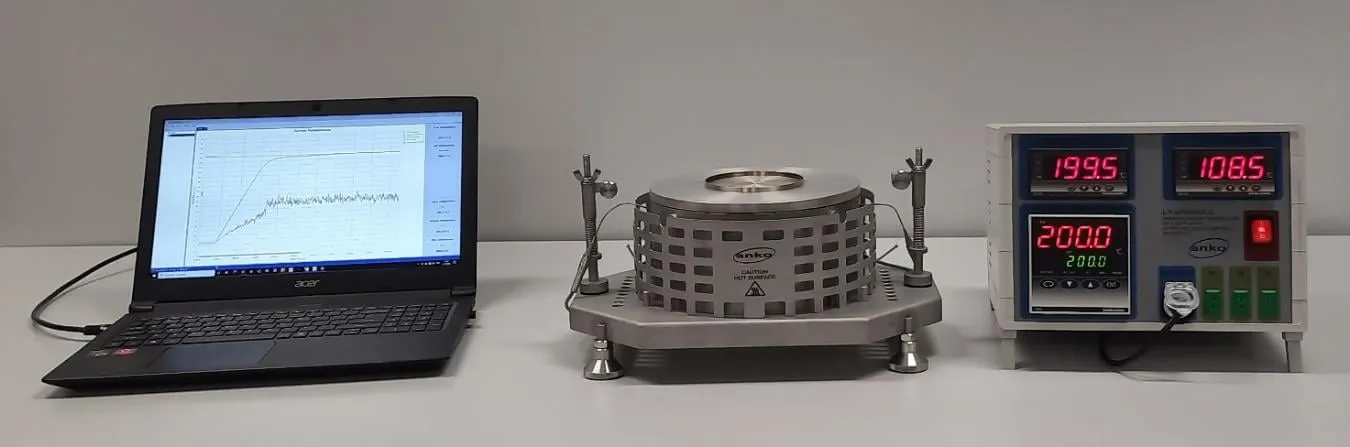
Minimum Ignition Temperature of a Dust Layer (LIT)
Determines the temperature at which an accumulated dust layer will smolder or ignite. Directly informs housekeeping standards and hot surface temperature limits.
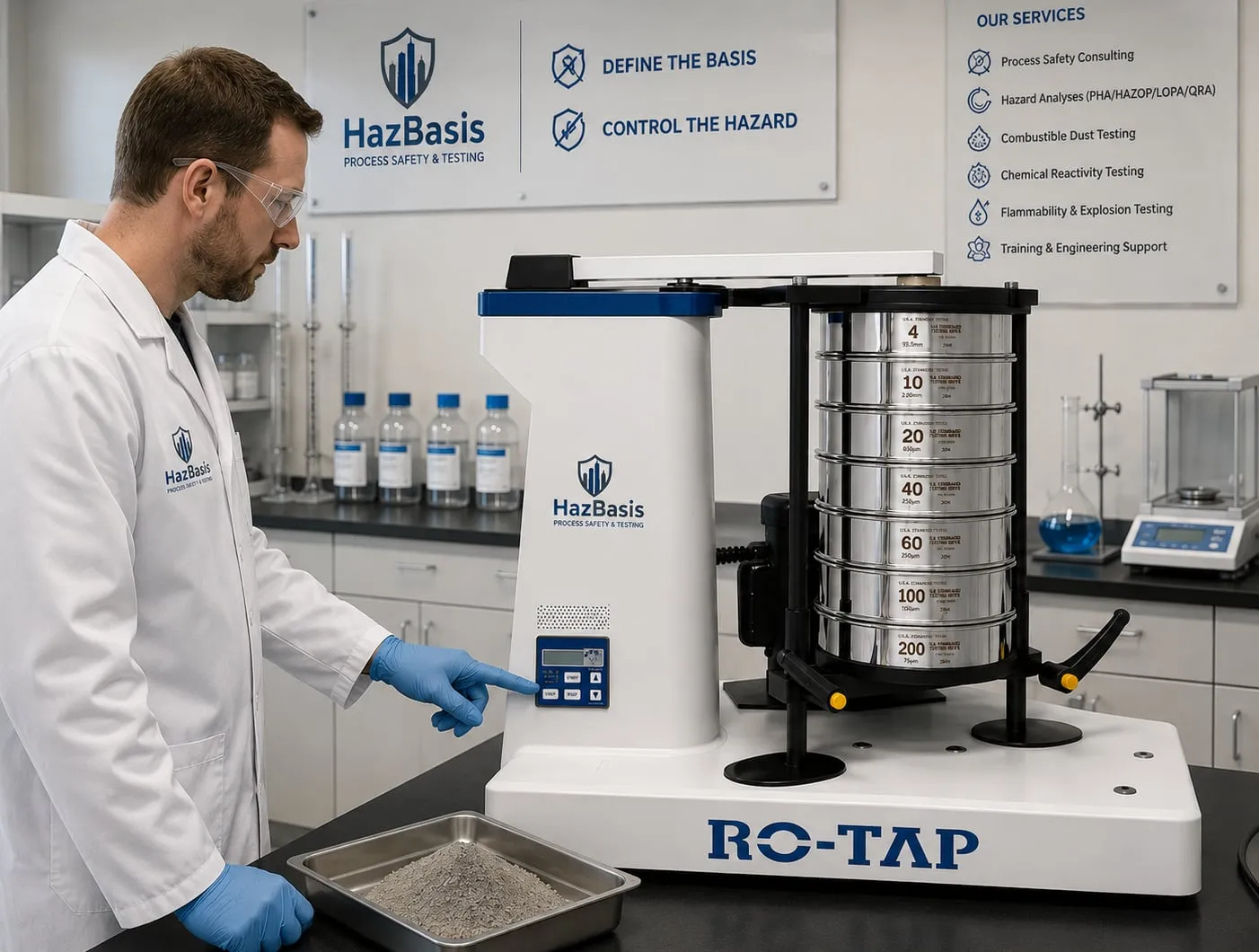
Particle Sieve Analysis for Powder
Characterizes the particle size distribution of a powder, since finer particles generally present a greater ignition and explosion hazard. Often required context for interpreting other test results.
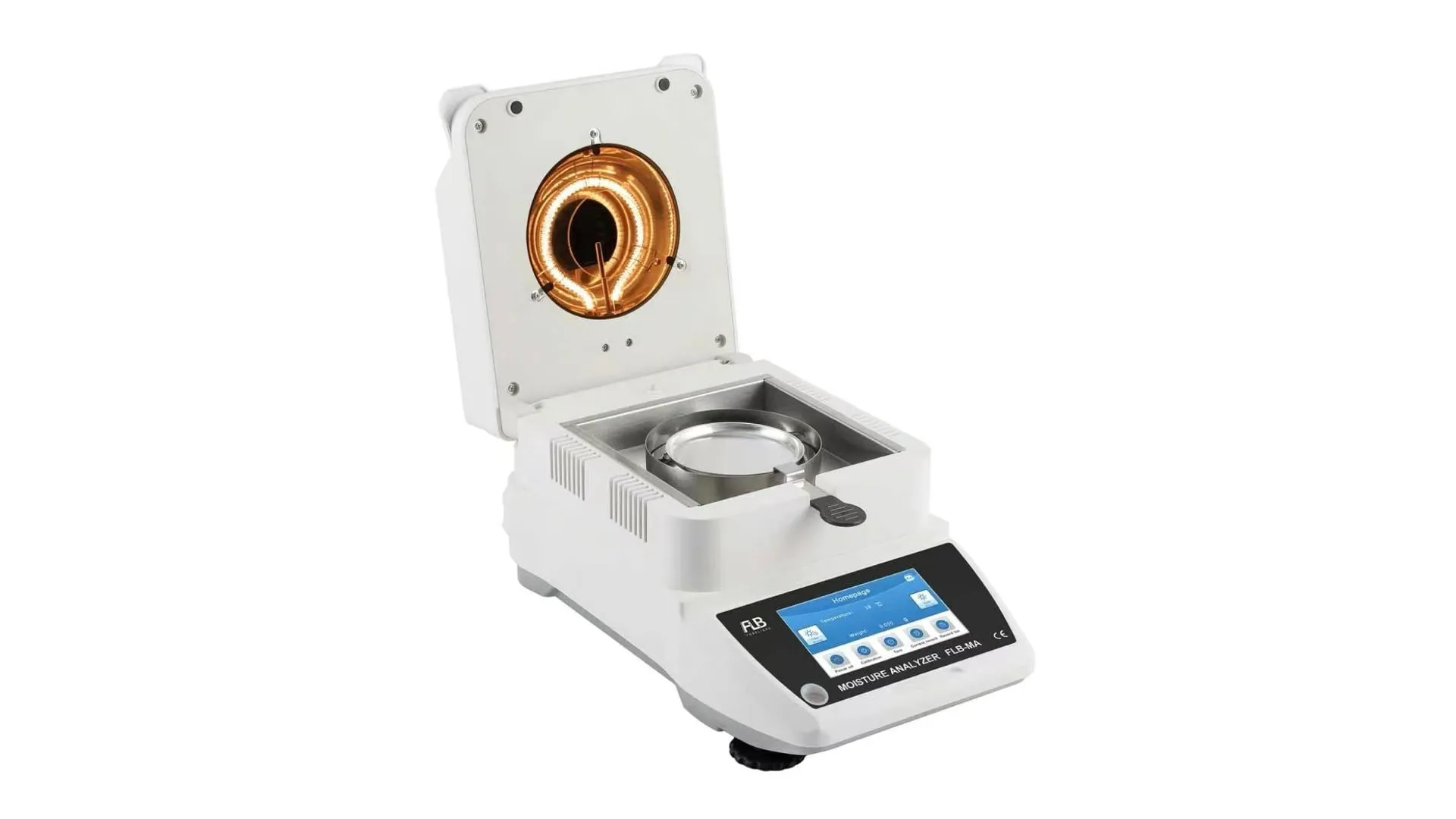
Moisture Content / Loss-on-Drying
Measures the moisture held in a powder sample, since moisture content can significantly affect ignition sensitivity and explosion severity. Helps confirm whether test results reflect real operating conditions.
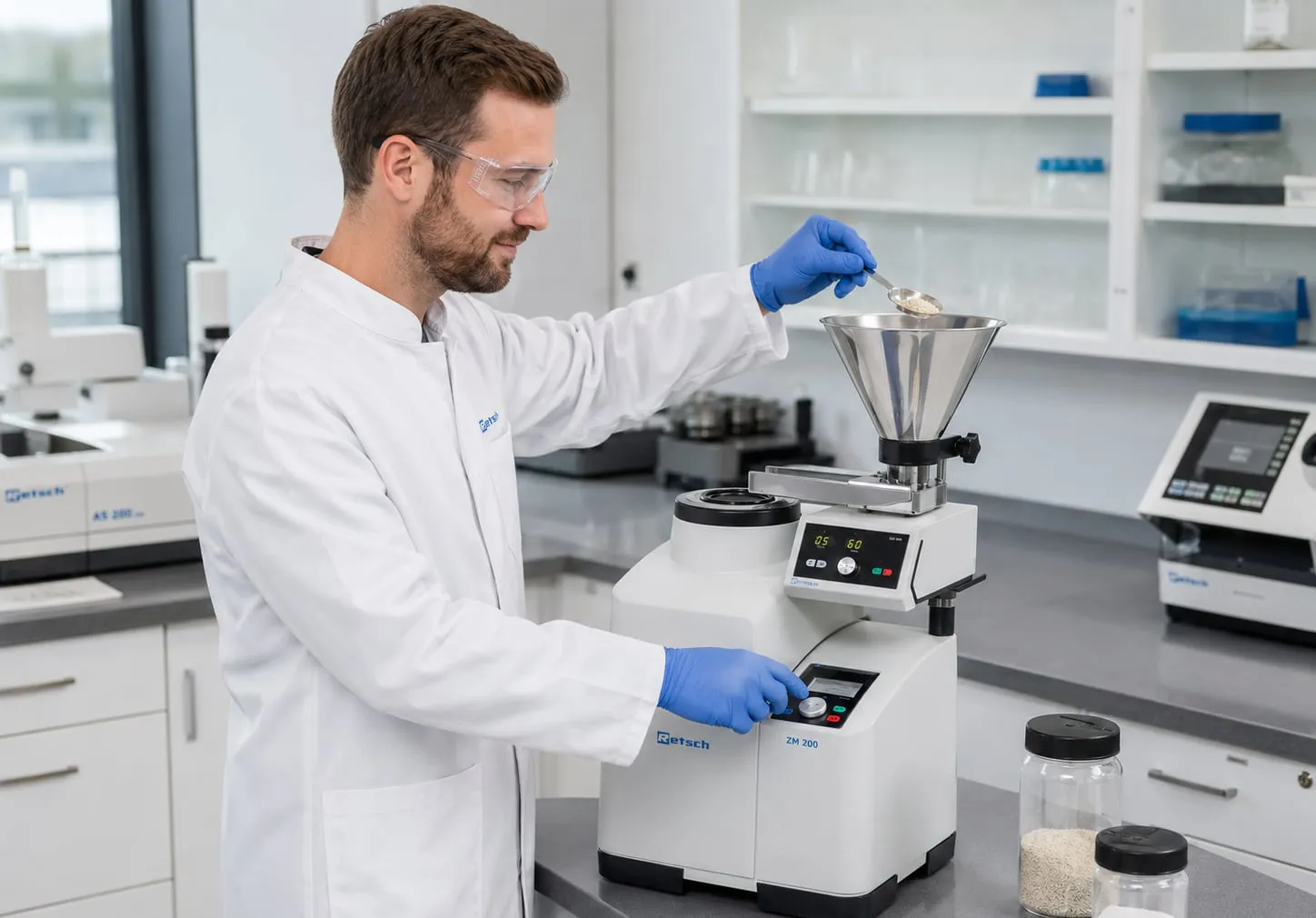
Cryogenic Milling Sample Preparation
Prepares samples at the fine particle size needed for a credible worst-case hazard evaluation, using cryogenic grinding to avoid altering the material’s properties during preparation. Ensures test results represent the material as it will actually behave in your process.