Why Gas & Vapor Flammability Testing Matters
A flash point or autoignition temperature is only useful if it reflects the actual formulation you’re working with, not a generic literature value for “similar” material. HazBasis runs focused testing for flash and fire point, flammability limits, and autoignition temperature, and writes the report to connect that measured property directly to the process safety or regulatory decision it’s meant to support.
Not sure what flammability testing you need? Reach out and we’ll help you scope it.
Common Project Objectives
This testing typically supports SDS and GHS classification, NFPA 30 and flammable liquid risk evaluation, ventilation and gas detection design basis, hazardous area classification and equipment selection, and process safety reviews or incident investigations.
Why Choose HazBasis
- Flash point and flammability data get cited in permits, SDS sheets, and design calculations for years after the test is run, so the underlying method and sample condition need to hold up to scrutiny well after the report is delivered.
- We document both clearly, and our team includes process safety engineers, not just lab technicians.
- The interpretation section explains what the number actually means for your equipment and operation, rather than repeating the raw result.
- When a project calls for it, the same data can feed directly into hazardous area classification, ventilation design, or a broader process safety review, without another team having to start from scratch on your material.
Our Services
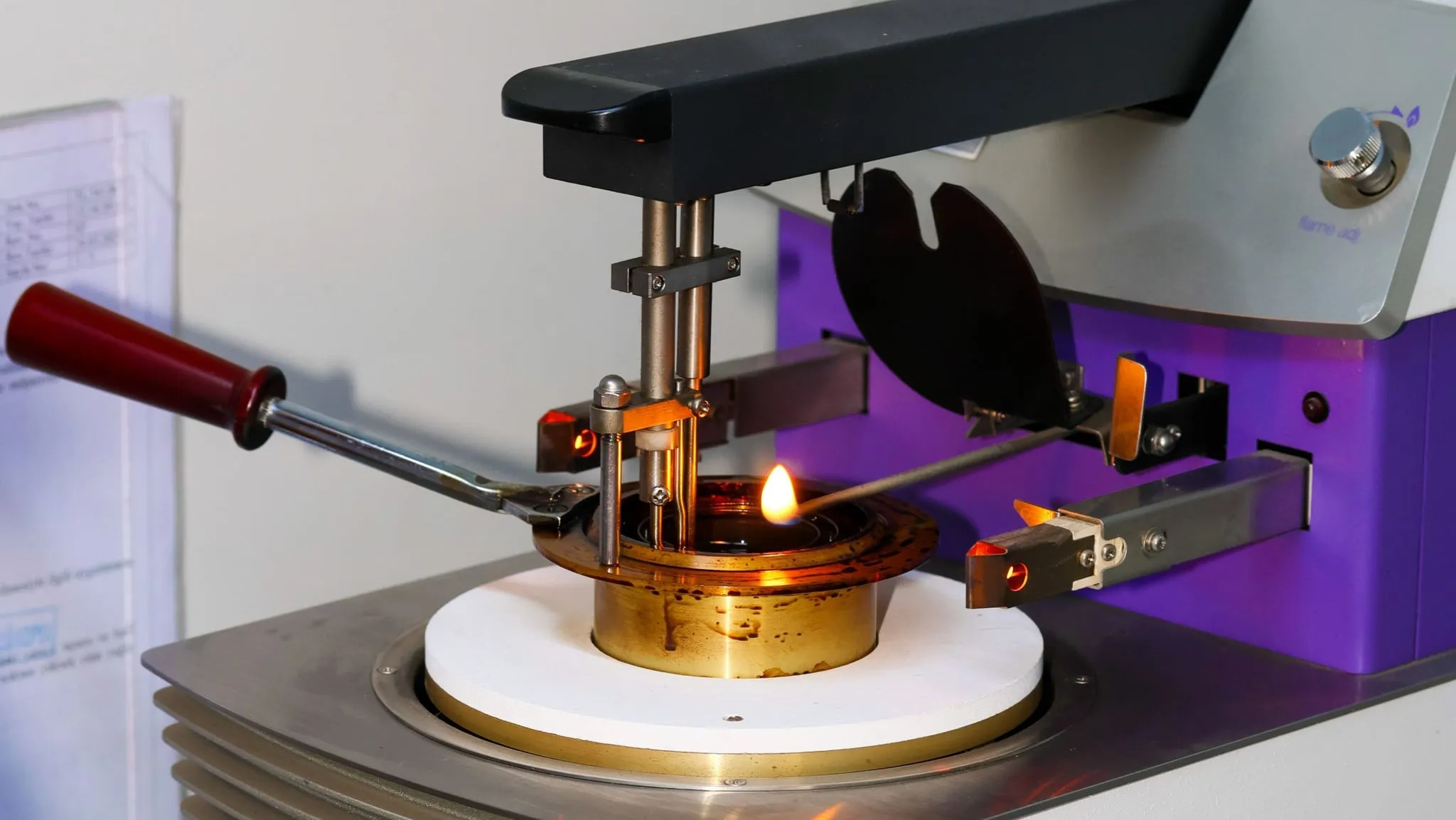
Flash Point and Fire Point
Measures the lowest temperature at which a liquid gives off enough vapor to ignite, using either a closed cup (vapor contained) or open cup (vapor allowed to disperse) method depending on the application. Determines flammability classification and safe handling temperature.
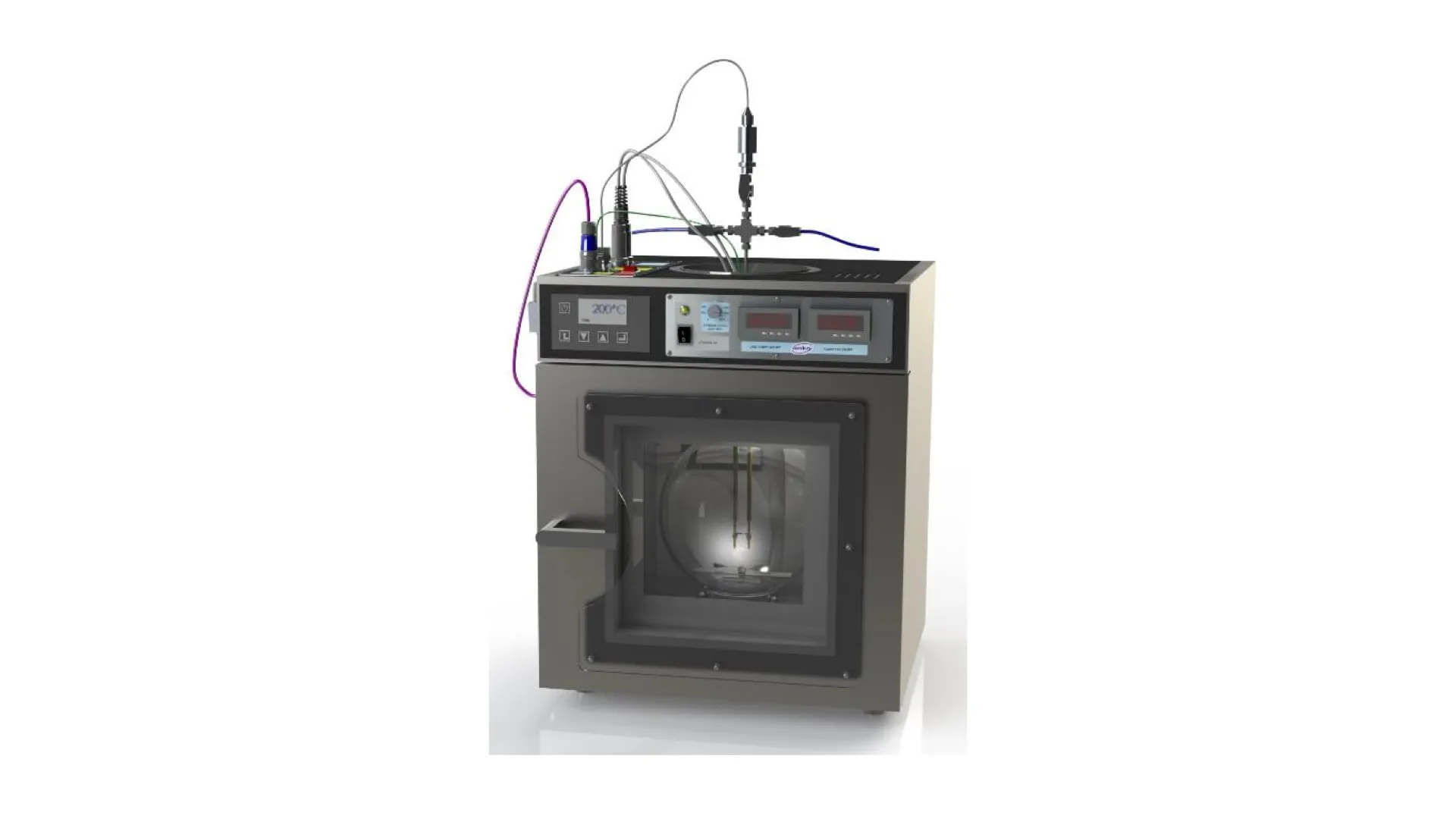
Lower and Upper Flammability Limits (LFL/UFL)
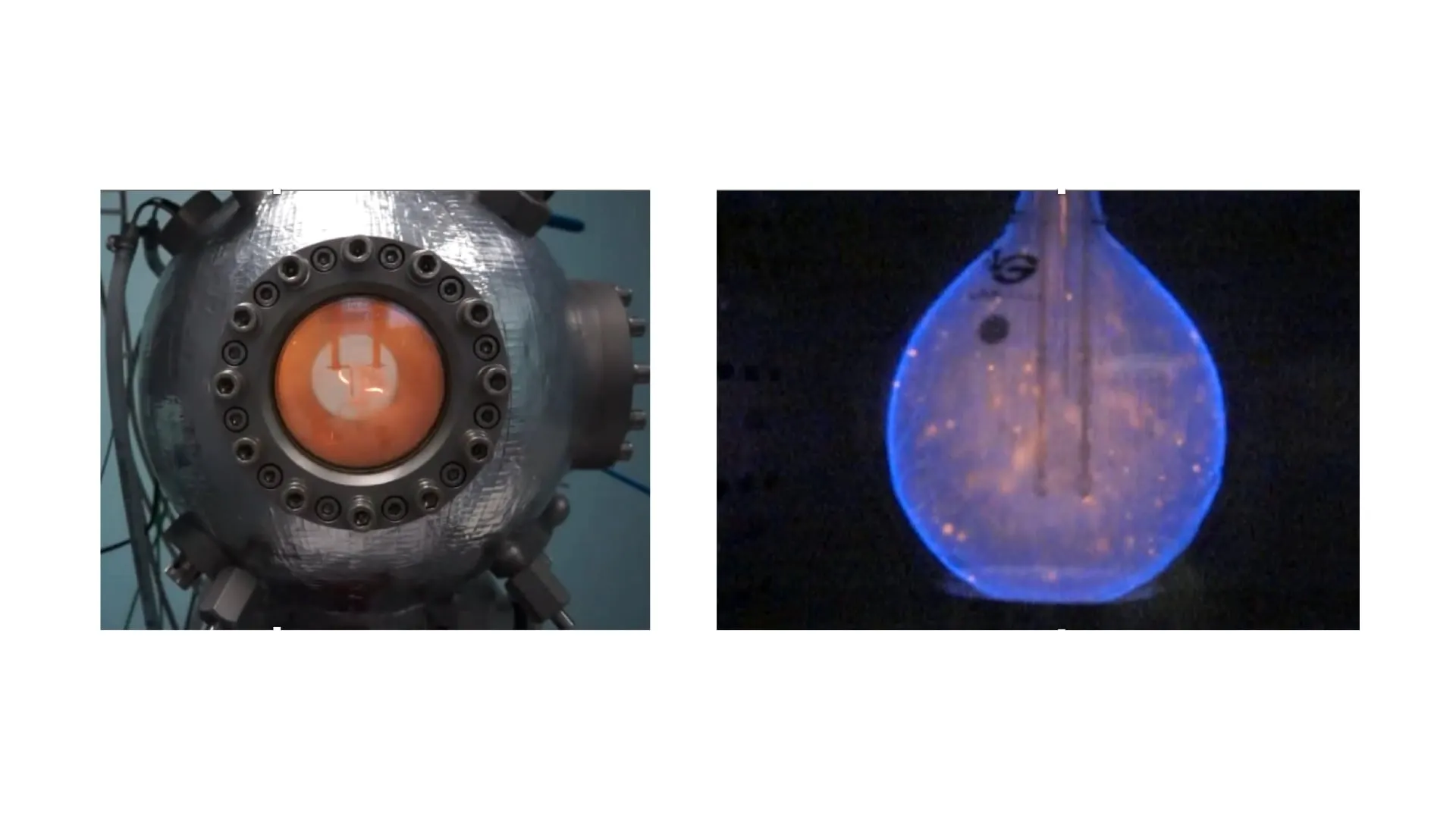
Measures the range of vapor or gas concentration in air within which a flammable mixture can ignite. Defines the safe operating window for ventilation design, gas detection setpoints, and process control.
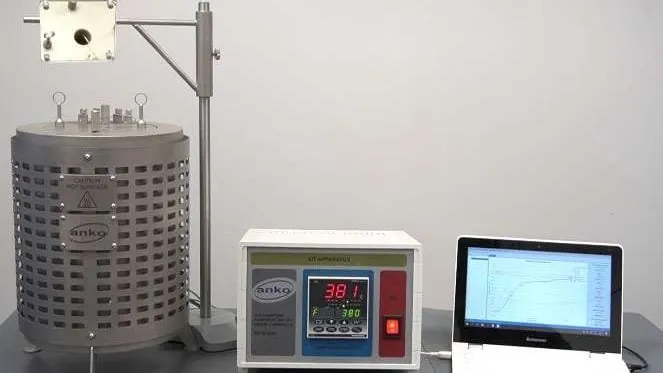
Autoignition Temperature (AIT)
Measures the temperature at which a vapor or gas will ignite spontaneously without an external ignition source. Sets the safe surface temperature limit for equipment operating near the material.
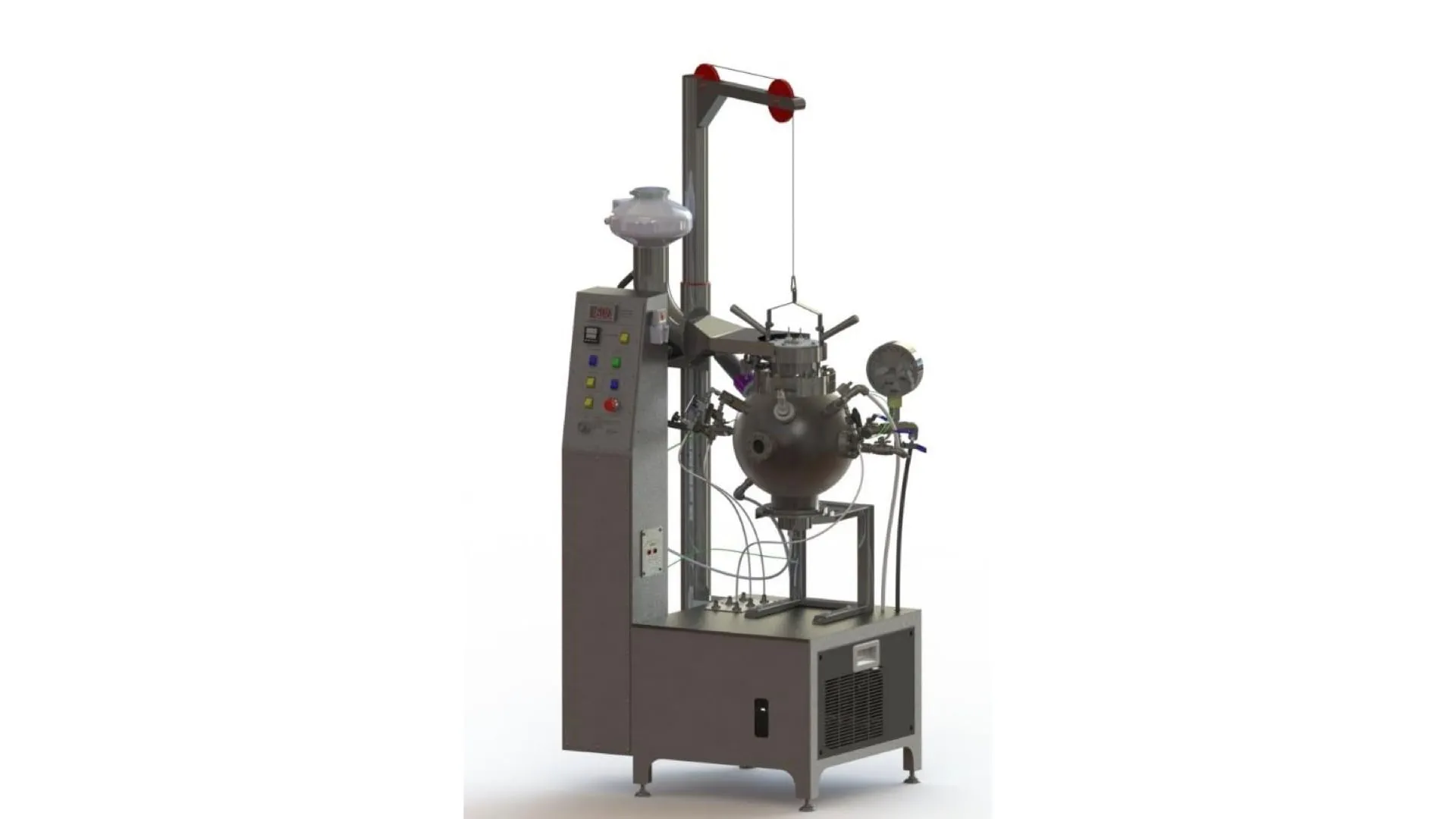
Explosion Severity Testing for Flammable Gases and Vapors
Measures Pmax, maximum pressure-rise rate, and KG for a flammable gas or vapor mixture using a 20-L spherical test vessel. Provides the severity data needed for explosion protection design and risk assessment.
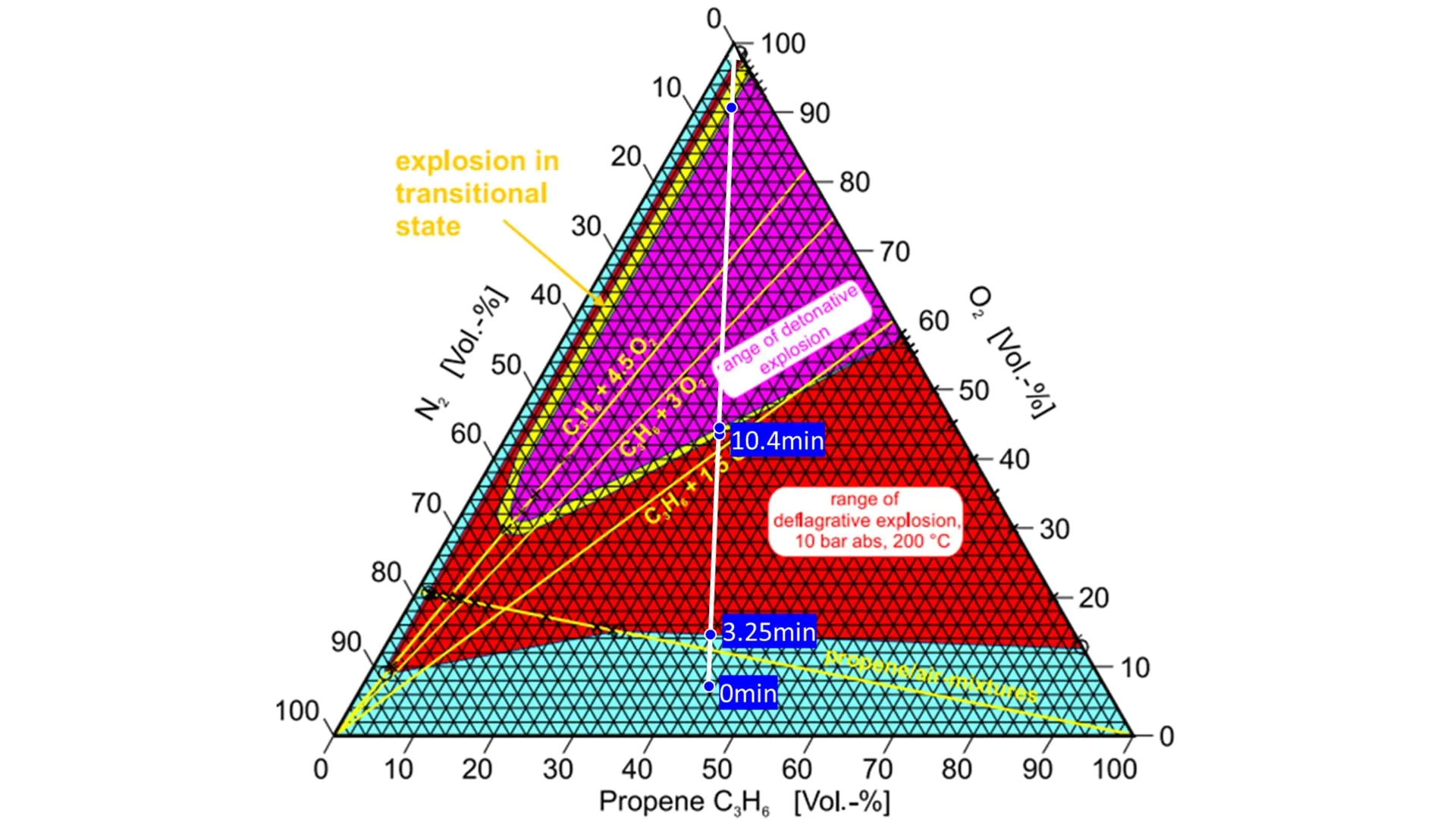
Limiting Oxygen Concentration (LOC) Testing
Determines the lowest oxygen concentration at which flame propagation can still occur for a specified fuel, inert gas, and set of conditions. Supports inerting system design and safe oxygen setpoints.