Why Reactive Chemical Hazard Testing Matters
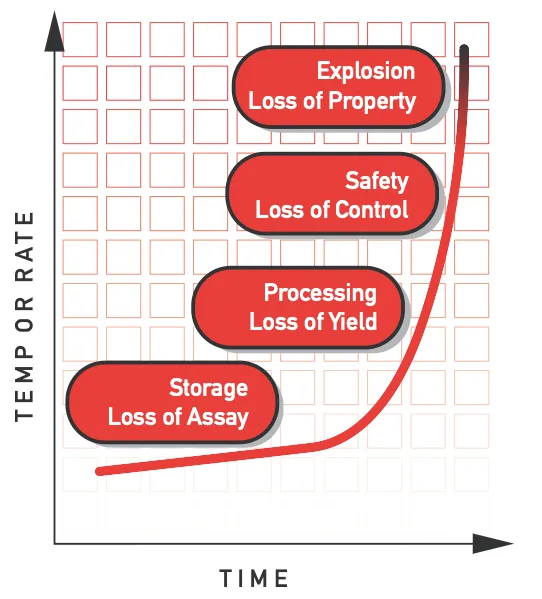
Reactive chemicals can behave differently as processes scale due to changes in heat transfer, mixing, dosing, containment, and thermal accumulation. Laboratory data help identify hazards before they become production-scale events.
Testing supports:
- Incident investigation and risk reduction
- Runaway reaction prevention
- Safe operating limit development
- Reactor cooling and scale-up decisions
- Emergency relief and venting evaluation
- PHA/HAZOP and MOC action closure
Need help selecting the right reactive hazard test? Reach out and we’ll help you scope it.
When Reactive Chemical Hazard Testing Is Needed
Reactive hazard testing is typically required when a new reaction, formulation, intermediate, or raw material is introduced; when laboratory chemistry is being scaled to pilot or commercial production; or when unexpected heat release, pressure increase, gas generation, or decomposition behavior has been observed.
Testing is also commonly performed when process safety reviews such as PHA, HAZOP, MOC, insurer evaluations, or incident investigations identify uncertainty around thermal hazards, cooling capacity, operating limits, or emergency protection systems.
How the Data Supports Process Safety Decisions
Reactive hazard testing provides the technical foundation for decisions throughout the process lifecycle.
Thermal stability and reaction data help establish operating temperature limits, alarm thresholds, and emergency response criteria. Heat-release measurements support reactor cooling evaluations, feed strategies, mixing considerations, and scale-up decisions.
For hazard reviews and management-of-change activities, measured data helps validate safeguards and resolve uncertainty. Pressure and gas-generation data support emergency relief evaluations, venting assessments, and protection strategies for reactive processes.
Why Choose HazBasis
- Reactive chemical testing is only valuable when the results can be applied to real process decisions. HazBasis combines laboratory testing capabilities with process safety expertise to help clients understand what the data means for production-scale risks.
- Rather than providing test results alone, we connect laboratory findings to practical engineering actions—helping clients define safer operating conditions, improve safeguards, and make informed decisions before scaling chemistry.
- From early-stage research through commercial production, HazBasis develops testing programs designed around the actual process hazard and the decision that needs to be made.
Our Services
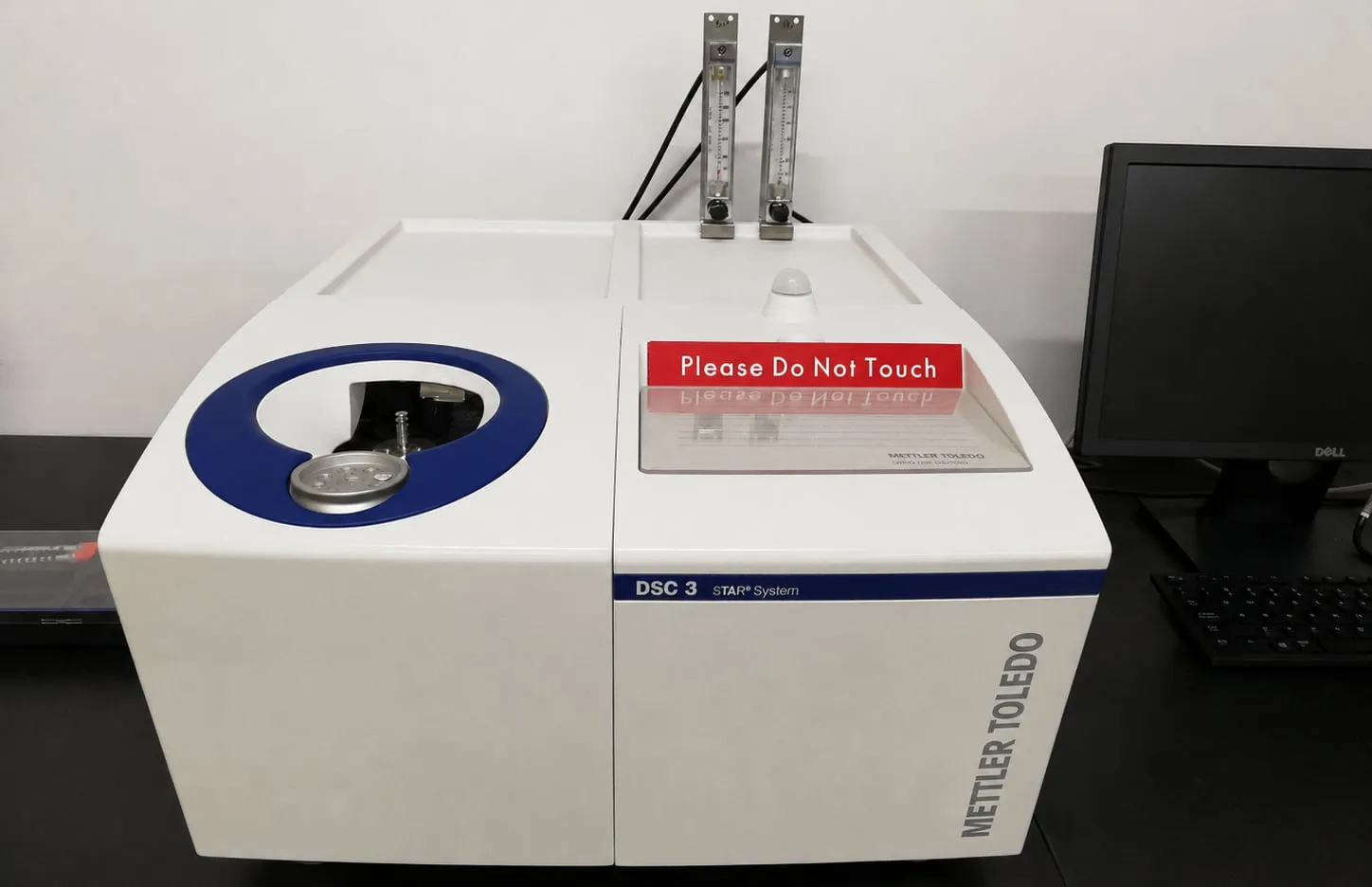
Differential Scanning Calorimetry (DSC)
Rapid thermal screening to identify decomposition, exothermic behavior, phase changes, and potential thermal hazards.
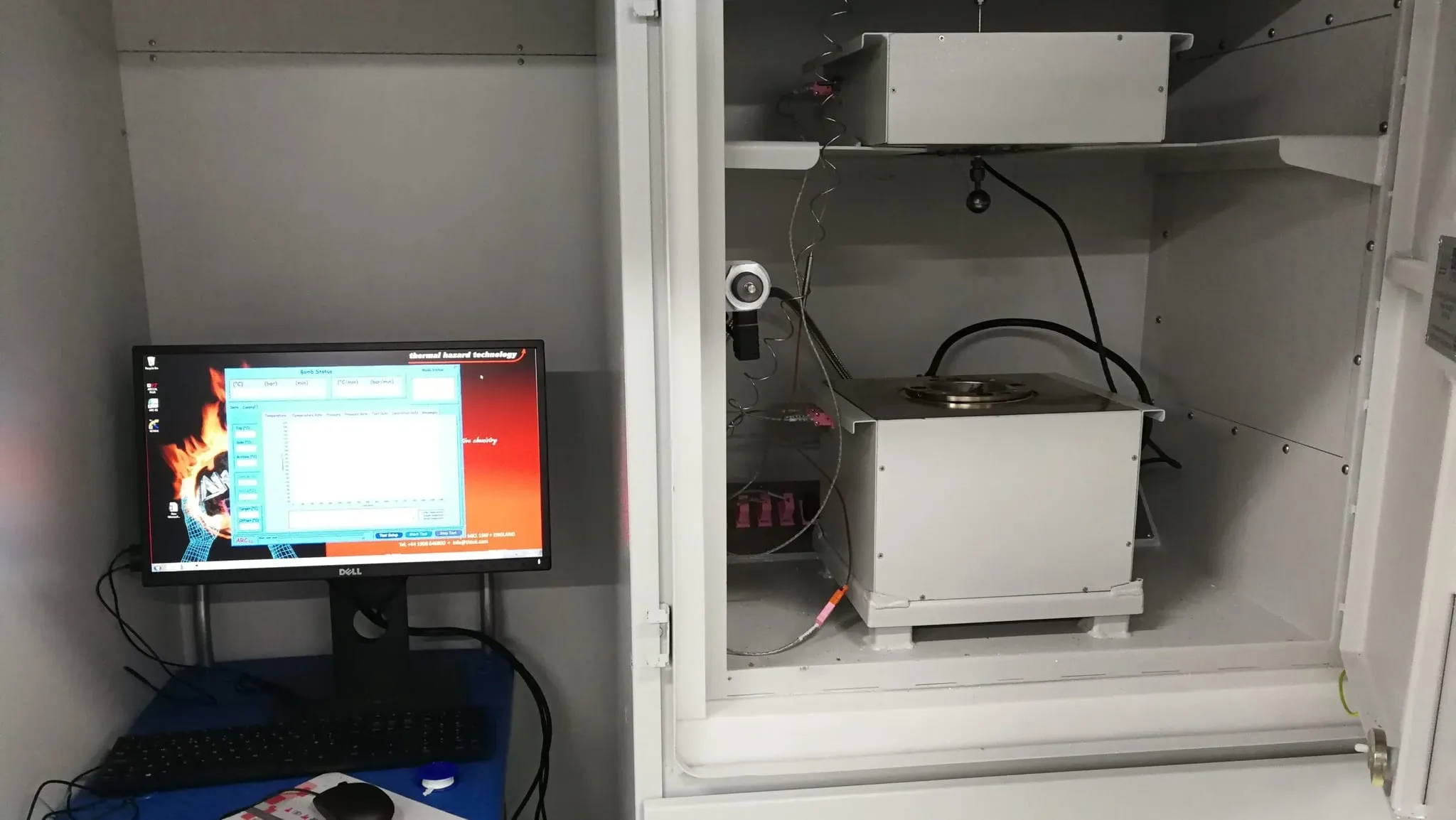
Accelerating Rate Calorimeter (ARC)
Evaluate runaway reaction behavior, self-heating, pressure generation, and thermal severity under near-adiabatic conditions.
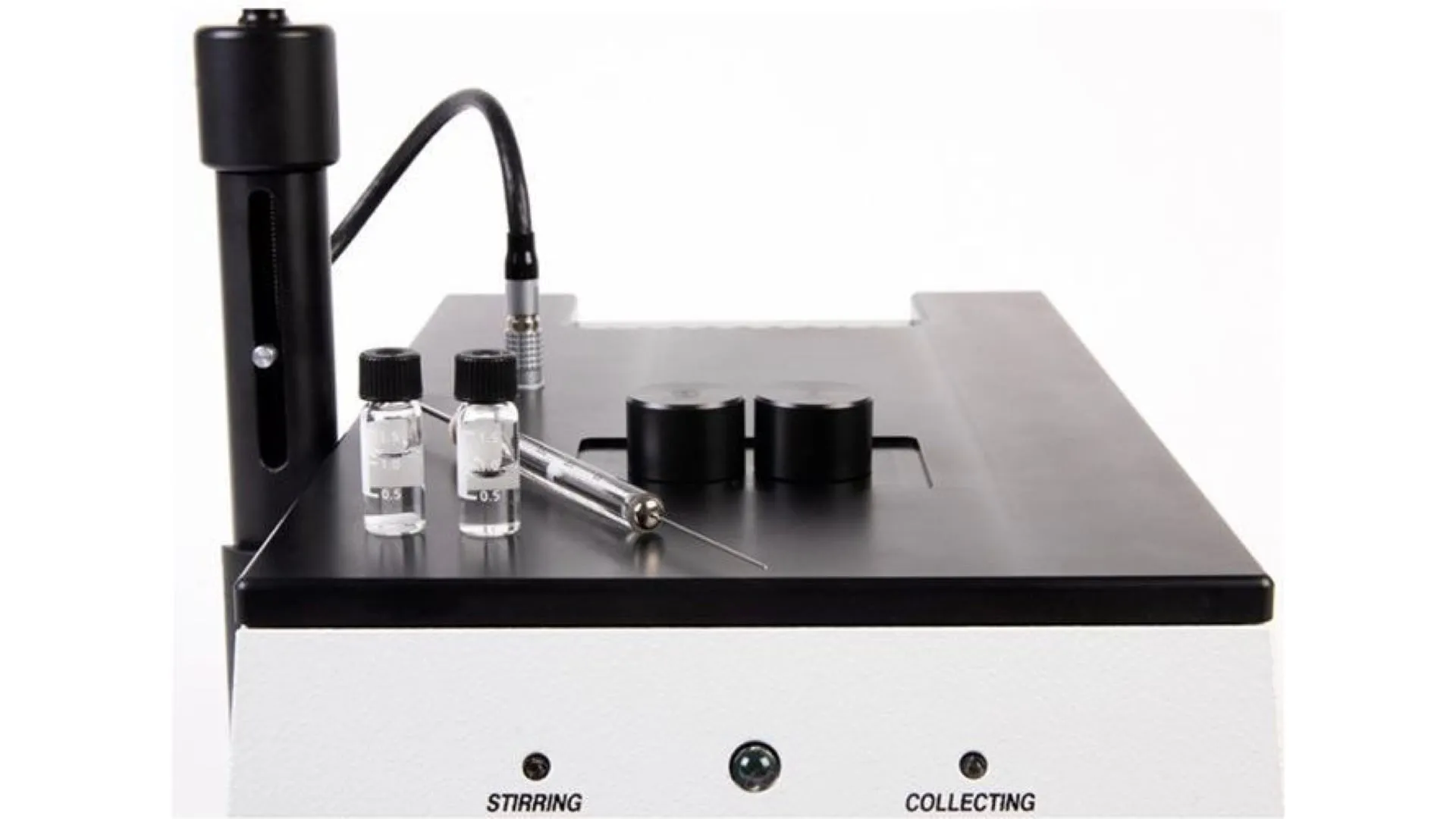
Micro Reaction Calorimeter
Measure reaction heat release, heat-generation rate, accumulation effects, and cooling requirements for process design.
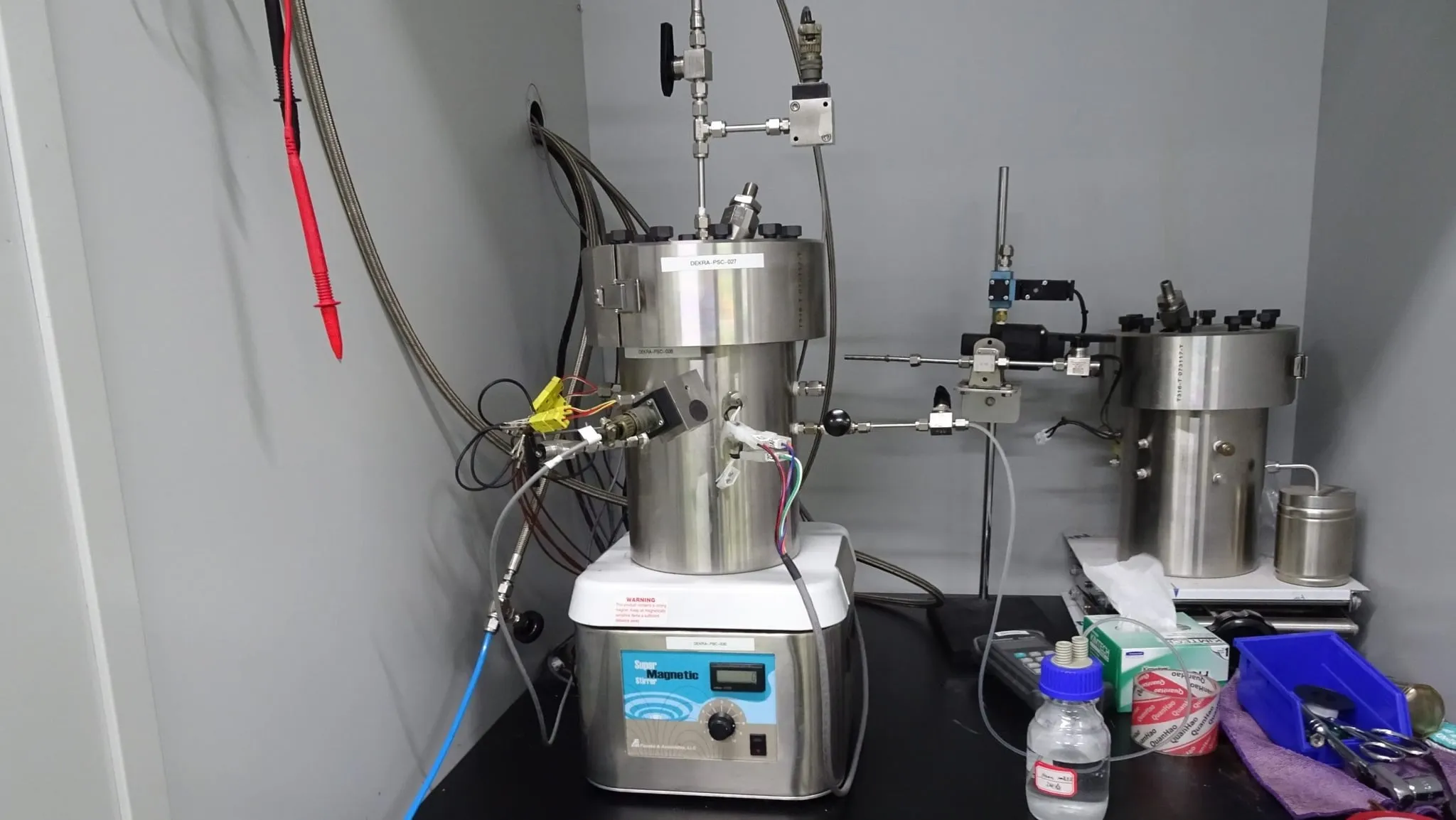
Vent Sizing Package (VSP)
Evaluate reactive pressure generation and venting behavior to support emergency relief and vent-sizing studies.