What Go/No-Go Test Answers
This test determines whether a dispersed dust cloud produces a qualifying deflagration under the specified screening conditions. The result applies to the submitted sample, preparation, conditioning, and test conditions stated in the report, and we’re careful not to treat a single lab value as a universal property of the material. Particle size, moisture, temperature, pressure, geometry, and formulation can all change the outcome, so the result is scoped to what was actually tested.
Not sure if this is the right first test? Reach out and we’ll help you scope it.
Test Method and Standard
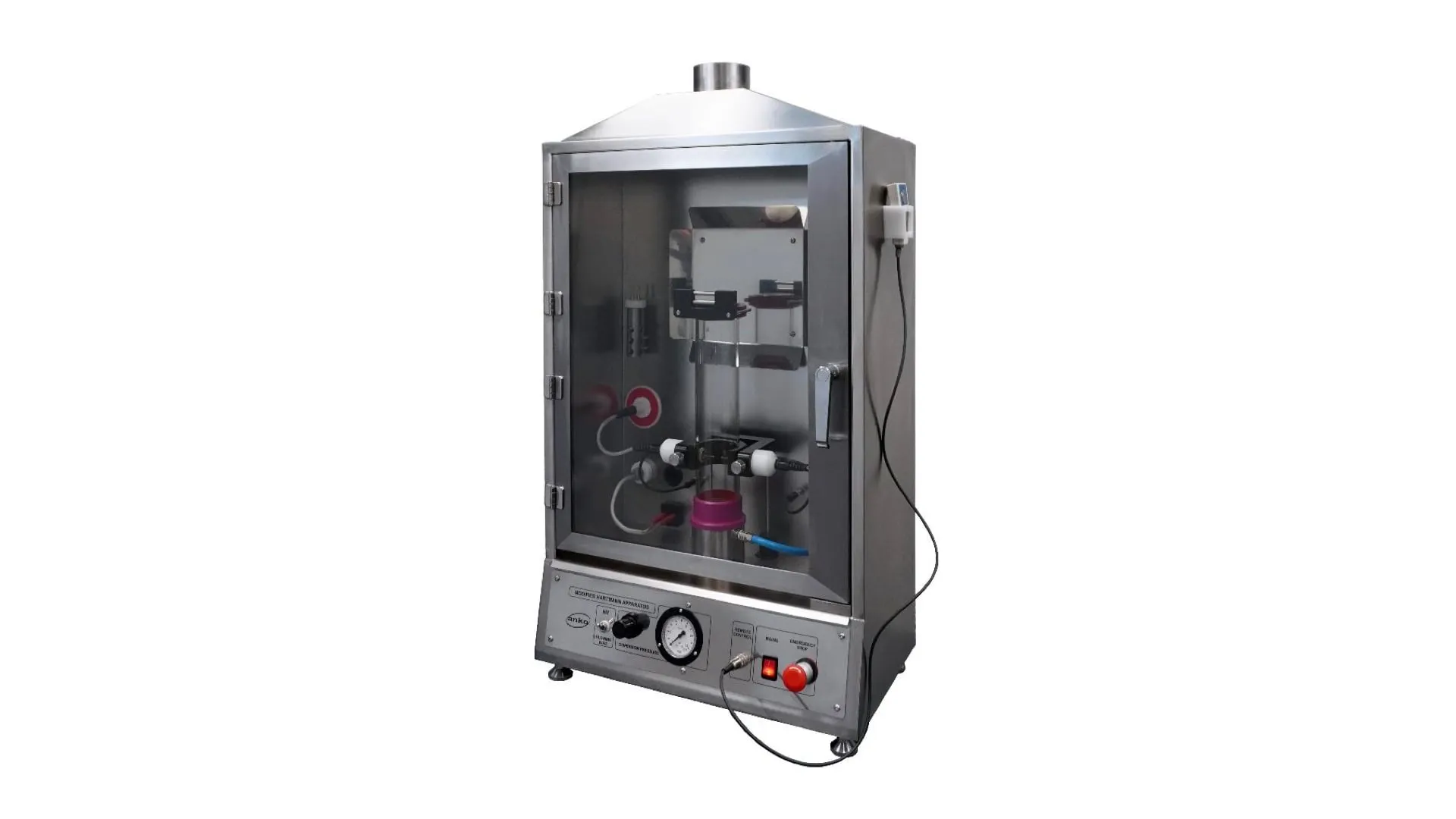
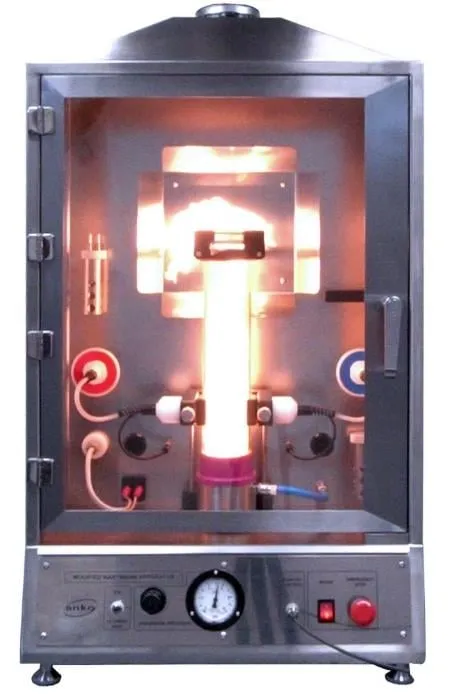
A representative dust sample is dispersed in a closed test vessel and exposed to a defined ignition source. Pressure time data are reviewed against the ASTM E1226 screening criteria and validity checks. Depending on the objective, testing may use an as-received sample or a prepared fraction meant to represent a credible worst case process condition. Testing follows ASTM E1226 or an agreed project-specific method, and the quotation identifies the governing method before work begins.
What You Receive
- A Go or No-Go result under the tested conditions
- Documented sample condition, particle preparation, concentration, and ignition conditions
- A pressure trace and technical interpretation to guide your next testing decision
How the Data Supports Decisions
This result helps determine whether full Kst/Pmax severity testing is warranted, whether a No-Go material still needs burn rate or self-heating evaluation, and how the result should factor into a Dust Hazard Analysis without overgeneralizing what a single screening test actually proves.
When to Order This Test
- You’re introducing a new powder, dust, or formulation
- The SDS doesn’t provide defensible explosibility data
- You need an efficient first step before committing to a broader dust test program
Sample Submission Guidance
Screening typically requires around 100 g, though the final amount depends on density, preparation, repeat testing, and the agreed sample condition. Include the SDS, composition or trade name information, physical form, process description, and whether the sample should be tested as received or prepared to a different condition.
Why Choose HazBasis
A No-Go result gets used to justify skipping further testing, which means it needs to be trustworthy enough to actually rely on. We report exactly what was tested, at what concentration, with what ignition source, so the result doesn’t get stretched to cover conditions it was never checked against. If the screening points toward a follow-up test, whether that’s full severity testing or a self-heating evaluation, we’ll tell you before you have to ask.
FAQ
What does Go/No-Go testing measure?
Determines whether a dispersed dust cloud produces a qualifying deflagration under the specified screening conditions.
Which standard will be used?
ASTM E1226. The final method depends on the sample, project objective, and any customer or regulatory requirements.
Does a No-Go result prove the material can never burn or explode?
No. It means the sample did not meet the explosibility criterion under the specified test conditions. Fire, smoldering, self-heating, or different particle-size conditions may still require evaluation.