

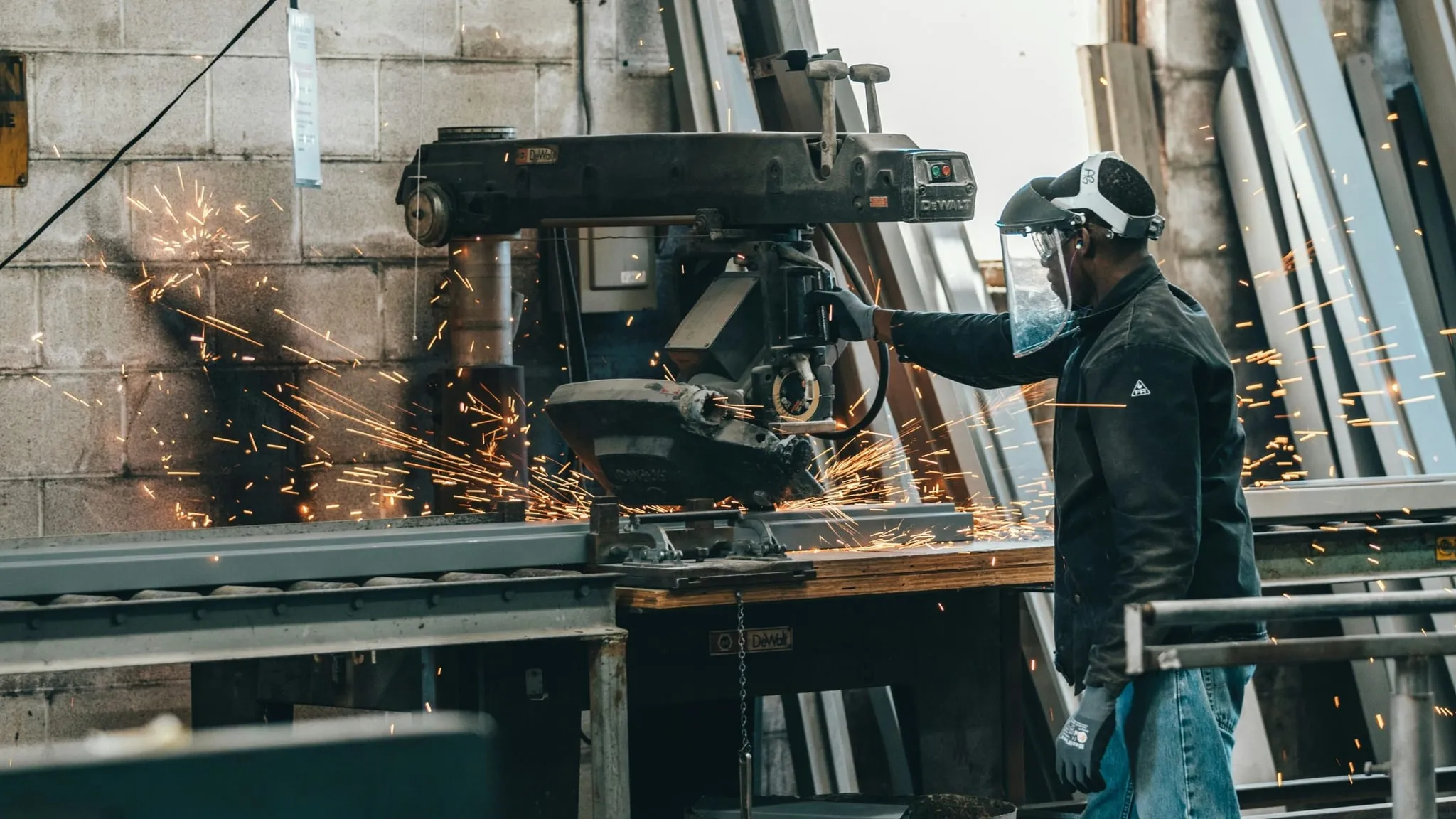
Ignition Source Analysis for Explosive Atmospheres
IEC 60079 and ISO 80079-36 / 37-Aligned Ignition Hazard Review for Electrical and Non-Electrical Equipment
HazBasis Process Safety provides professional Ignition Source Analysis services for facilities, equipment, and processes operating in or near potentially explosive atmospheres.
We help manufacturers, facility owners, EPC firms, process engineers, EHS teams, and authority-facing reviewers identify credible ignition sources, evaluate ignition risk, and document practical safeguards for flammable gas, vapor, mist, and combustible dust hazards.
Need an Ignition Source Analysis? Reach out and we’ll help.
What Is an Ignition Source Analysis?
A hazardous area classification tells you where an explosive atmosphere might exist. It doesn’t tell you whether the equipment sitting in that atmosphere is actually capable of setting it off. That’s the question an Ignition Source Analysis answers.
Ignition sources aren’t limited to obvious things like open flames or electrical sparks. A bearing running a few degrees hot, a belt slipping against a pulley, adiabatic compression in a pump, even a rare equipment malfunction can all provide enough energy to ignite a flammable gas, vapor, mist, or combustible dust atmosphere. HazBasis reviews both electrical and non-electrical equipment to determine which ignition sources are credible for your operation and what controls actually reduce that risk.
Ignition sources we commonly evaluate include:
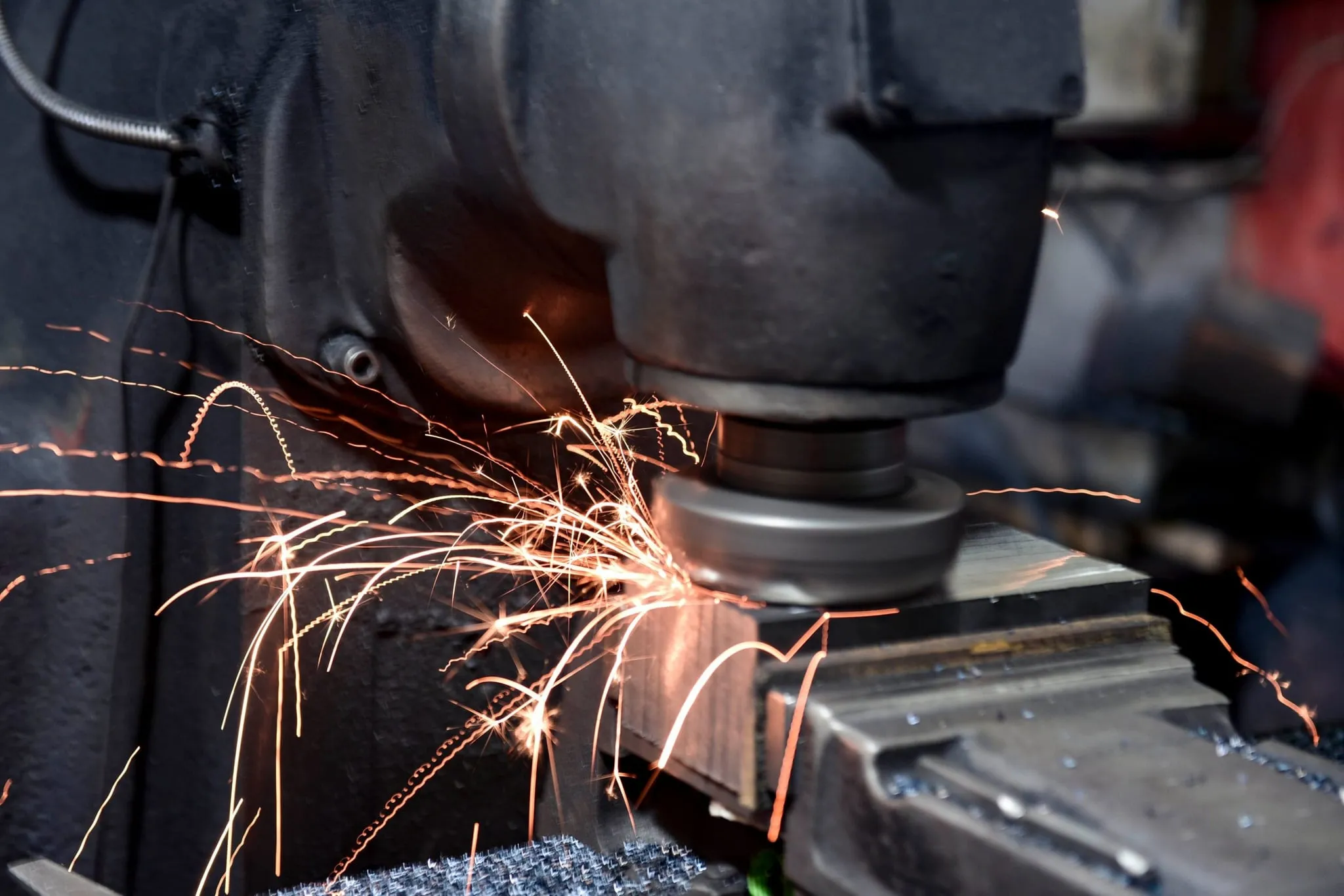
- Hot surfaces, frictional heating, and impact sparks
- Mechanical sparks from bearings, seals, belts, couplings, brakes, and other rotating equipment
- Static electricity, electrical arcs and sparks, and stray currents
- Lightning and open flames
- Welding, cutting, and hot work
- Adiabatic compression, exothermic reactions, and thermal decomposition
- Process upset conditions and equipment malfunction or loss of protective function
When You Need an Ignition Source Analysis
This review is typically needed when you’re:
- Designing or modifying equipment for use in hazardous areas
- Evaluating non-electrical equipment with moving parts, friction points, bearings, seals, belts, or hot surfaces
- Reviewing process equipment located in Zone 0, Zone 1, Zone 2, Zone 20, Zone 21, or Zone 22 areas
- Preparing documentation for IECEx, ATEX, client engineering, insurer, or authority facing review
- Assessing whether existing equipment is suitable for a classified area
- Investigating a fire, explosion, near miss, static discharge, overheating event, or abnormal equipment condition
- Performing an MOC review for new materials, new equipment, or a process change
- Reviewing combustible dust handling equipment or flammable gas, vapor, solvent, hydrogen, or fuel gas operations
- Following up on hazardous area classification, DHA, PHA, HAZOP, or LOPA findings
IEC 60079 and ISO 80079 Alignment
Our Ignition Source Analysis follows internationally recognized explosive atmosphere concepts: the IEC 60079 series covering explosive atmospheres, electrical equipment, installation, inspection, and area classification, and ISO 80079-36 and 80079-37 covering non-electrical equipment for explosive atmospheres, including constructional safety, control of ignition source, and liquid immersion protection types.
We apply zone classification concepts for both gas or vapor and combustible dust atmospheres, equipment protection level concepts where applicable, and we evaluate normal operation, expected malfunction, and rare malfunction scenarios separately, since the credible ignition sources often differ across those three conditions. The work is technical and defensible, written for engineering decision making, equipment review, internal safety basis documentation, and authority facing review.
Our Project Approach
Step 1: Define the Hazard Basis. We review the materials, process conditions, explosive atmosphere potential, hazardous area classification, equipment location, and intended use.
Step 2: Identify Potential Ignition Sources. We screen electrical, mechanical, thermal, static, process related, and abnormal condition ignition sources.
Step 3: Evaluate Credibility and Effectiveness. We assess whether each potential ignition source is credible under normal operation, expected malfunction, or rare malfunction.
Step 4: Review Existing Safeguards. We look at protection measures already in place, including equipment design, temperature control, monitoring, bonding and grounding, interlocks, inspection, maintenance, and operating procedures.
Step 5: Document Findings and Recommendations. We prepare an engineering focused report with clear conclusions, gaps, and recommended actions.
Step 6: Support Review and Closeout. We support technical discussions with engineering teams, equipment suppliers, insurers, client reviewers, or authority facing stakeholders.
What We Deliver
Ignition Source Analysis Report
A technical report covering the applicable IEC 60079 and ISO 80079 aligned basis, a process, equipment, and material review, the explosive atmosphere hazard basis, credible ignition source identification across normal and abnormal conditions, mechanical and electrical ignition source screening, and a review of existing safeguards and protective functions. It closes with identified gaps and practical action items for engineering, operations, maintenance, and EHS teams.
Non-Electrical Equipment Ignition Source Review
Non-electrical equipment can create ignition hazards with no spark involved at all. We review mixers, agitators, mills, grinders, conveyors, rotary valves, airlocks, dust collectors, filters, blowers, pumps, compressors, bearings, seals, couplings, belts, brakes, dryers, and mechanical transfer systems, evaluating whether mechanical, thermal, frictional, impact, or static related ignition sources are credible and whether the protective measures in place are adequate.
Electrical and Static Ignition Source Review
Where applicable, we also evaluate electrical equipment in classified locations, arcs, sparks, and hot components, improperly rated equipment, static charge generation and accumulation, isolated conductors, brush, spark, cone, and propagating brush discharges, and bonding and grounding gaps. This can be integrated with a hazardous area classification, an electrostatic hazard analysis, or electrical design coordination you already have underway.
Safeguard and Control Measures Review
We evaluate whether current control measures actually hold up: equipment suitability for the classified area, surface temperature limits, bearing and seal monitoring, speed and vibration controls, static control and grounding, inerting or oxygen reduction, interlocks and shutdown functions, and preventive maintenance and inspection practices. The goal isn’t just to list ignition sources. It’s to confirm whether the safeguards selected for them are practical, effective, and actually documented.
Why It Matters
A hazardous area classification identifies where an explosive atmosphere may occur. Ignition Source Analysis answers the harder question that comes next: can the equipment or operation in that space actually create an effective ignition source?
A properly documented analysis helps your team determine:
- Whether ignition sources are credible for this specific operation
- Whether equipment is suitable for the intended classified area
- Whether non-electrical equipment can safely operate in an explosive atmosphere
- Whether surface temperatures are adequately controlled
- Whether a mechanical failure could create ignition capable conditions
- Whether static electricity is a credible ignition source
- Whether safeguards are sufficient under both normal and abnormal conditions
- Whether additional engineering, inspection, maintenance, or procedural controls are needed
That gives you a stronger technical basis for design, procurement, MOC review, operation, maintenance, insurer review, and authority facing discussions.
Why Choose HazBasis
HazBasis combines process safety, fire and explosion hazard analysis, combustible dust expertise, hazardous area classification, electrostatic hazard analysis, and industrial equipment review experience in one team. That matters here specifically, because ignition source analysis rarely stands alone. It connects back to the classification, the dust hazard basis, and the static review you may already have in progress.
Our work is:
- IEC 60079 and ISO 80079 aligned
- Engineering focused and authority facing
- Practical for equipment and process review
- Suitable for MOC, DHA, PHA, HAZOP, and classified area support
- Clear for owners, EPCs, EHS teams, and reviewers
We don’t rely on generic checklists. We evaluate the actual materials, equipment, operating conditions, classified area basis, failure modes, and safeguards that determine ignition risk in your facility specifically.
FAQ
What is Ignition Source Analysis?
Ignition Source Analysis is a technical review used to identify credible ignition sources and evaluate whether those sources could ignite a flammable gas, vapor, mist, or combustible dust atmosphere.
Is Ignition Source Analysis only for electrical equipment?
No. Non-electrical equipment can also create ignition sources through hot surfaces, friction, impact, mechanical sparks, static electricity, bearing failure, belt slip, overheating, or abnormal mechanical conditions.
How does this relate to IEC 60079?
IEC 60079 provides the broader explosive atmosphere framework for classified areas, equipment, installation, inspection, and protection concepts. Ignition Source Analysis helps evaluate whether equipment and operations can create effective ignition sources in those hazardous areas.
How does this relate to ISO 80079-36 and ISO 80079-37?
ISO 80079-36 addresses the basic method and requirements for non-electrical equipment intended for explosive atmospheres. ISO 80079-37 addresses non-electrical protection concepts such as constructional safety, control of ignition source, and liquid immersion. HazBasis can align ignition source reviews with these concepts when evaluating non-electrical equipment.
Can this support ATEX or IECEx documentation?
HazBasis can support technical documentation, equipment review, and internal safety basis development. Formal product certification, notified body certification, or IECEx certification must be performed through the appropriate certification body where required.
Can this be combined with Hazardous Area Classification?
Yes. Ignition Source Analysis is often performed together with hazardous area classification, especially when equipment is installed in Zone 0, Zone 1, Zone 2, Zone 20, Zone 21, or Zone 22 areas.
Can this be combined with Electrostatic Hazard Analysis?
Yes. Static electricity is a common ignition source. For operations involving powders, nonconductive liquids, plastic components, FIBCs, liners, hoses, or transfer operations, electrostatic hazard review may be integrated into the ignition source analysis.
Can this be used for combustible dust operations?
Yes. HazBasis can evaluate ignition sources for combustible dust handling equipment, dust collectors, conveying systems, mills, mixers, dryers, filters, and packaging operations.
Can this review be performed remotely?
Some projects can be reviewed remotely if sufficient equipment datasheets, drawings, photos, process descriptions, SDS documents, classification drawings, and operating conditions are available. For complex equipment or existing facilities, a site walkdown may be recommended.