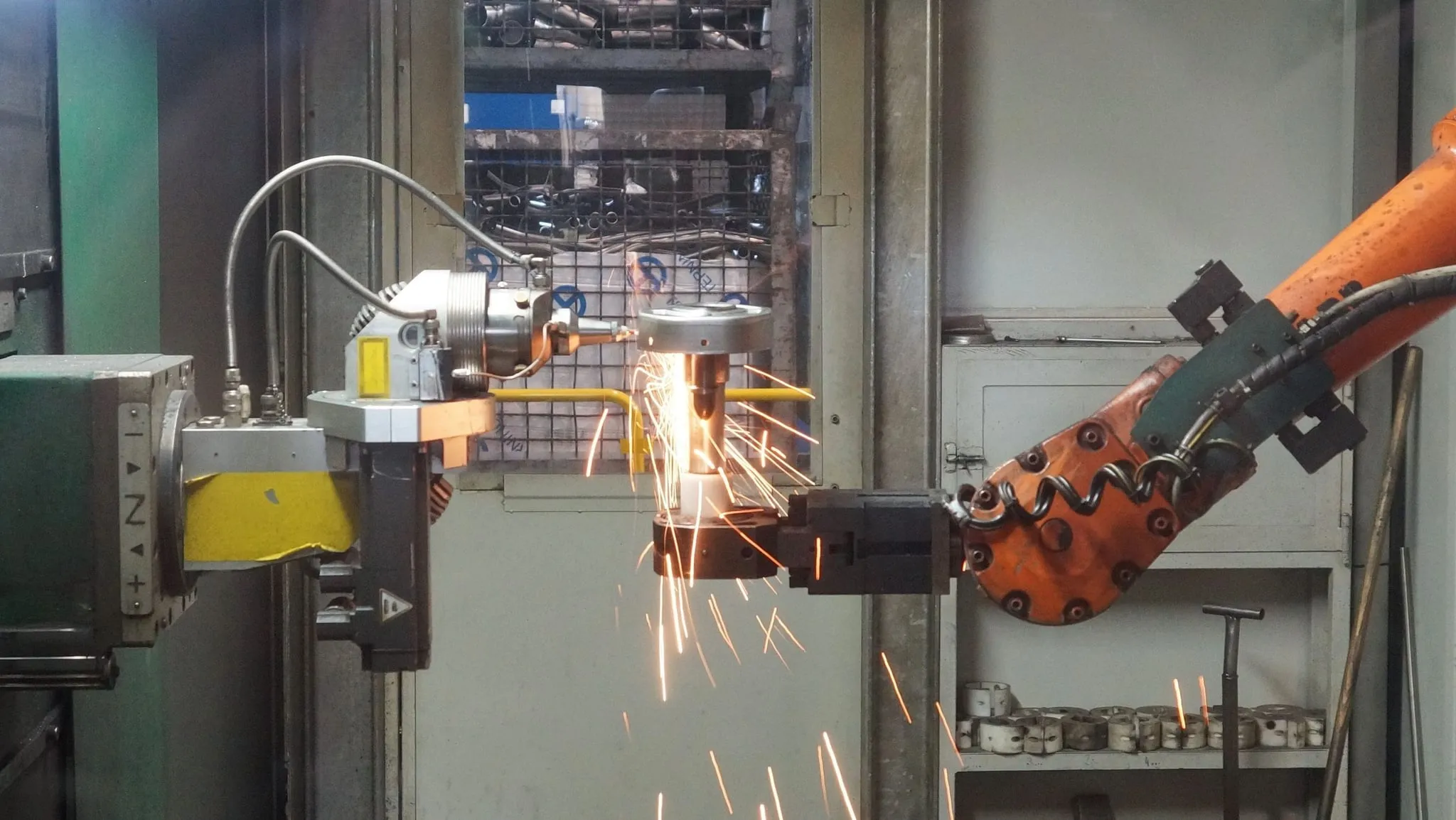
Metalworking carries a combustible dust hazard that gets underestimated more often than almost any other material category, because most people don’t associate metal with fire and explosion risk. Aluminum, magnesium, titanium, and iron dust generated during grinding, machining, buffing, and polishing operations are not only combustible, several of these metals are among the most energetic dust explosion hazards that exist, and some react dangerously with common fire suppression agents like water, which makes getting the protection strategy right just as important as identifying the hazard in the first place.
Additive manufacturing has introduced a newer version of this same problem. Metal powder used in 3D printing is deliberately produced at a fine particle size to work in the printing process, which is exactly the particle size range that makes a dust explosible. Powder handling during loading, sieving, recovery, and disposal in an AM facility creates real exposure, often in facilities that are new enough to not yet have established the housekeeping and equipment protection practices that traditional metalworking shops have had decades to develop, for better or worse.
HazBasis supports metals and machining facilities, including additive manufacturing operations, with combustible dust testing specific to metal powders, Dust Hazard Analysis, ignition source analysis for grinding and machining equipment, and hazardous area classification for powder handling and collection systems. We pay particular attention to fire suppression compatibility and safe handling practices for reactive metals, since a standard combustible dust protection approach can introduce new hazards if it isn’t matched to the specific metal involved.