Process Safety Incident Investigation Services
PSM-Aligned Incident Investigation for Fires, Explosions, Releases, Near Misses, and Process Safety Events
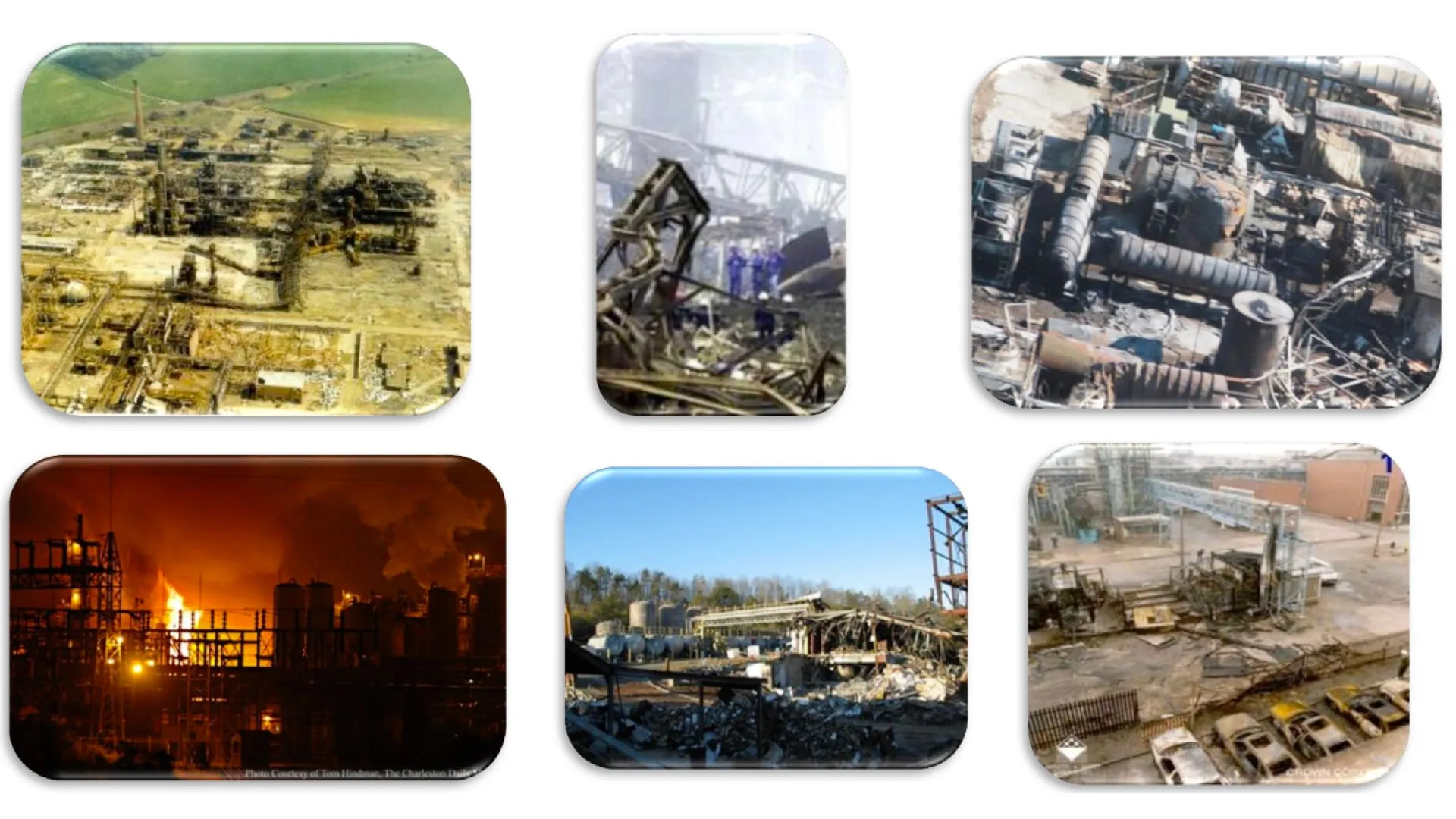
HazBasis Process Safety provides professional incident investigation services for industrial facilities involving fires, explosions, chemical releases, toxic exposure potential, combustible dust events, flammable liquid incidents, reactive chemical events, and high-consequence near misses.
We help facility owners, EHS leaders, process engineers, legal teams, insurers, and management teams identify what happened, why it happened, and what corrective actions are needed to prevent recurrence.
Need an Incident Investigation? Reach out and we’ll help.
What Is a Process Safety Incident Investigation?
A process safety incident creates immediate operational, regulatory, legal, insurance, and business consequences, and the first few hours and days matter more than any other point in the process. An effective investigation preserves evidence, identifies causal factors, evaluates which safeguards actually failed, determines root and contributing causes, and develops corrective actions that are both technically sound and realistic to implement, not a report that gets filed and never referenced again.
HazBasis supports investigations involving fire events, explosions, flash fires, vapor cloud events, toxic or hazardous chemical releases, combustible dust fires or explosions, flammable liquid spills or ignitions, static electricity ignition events, runaway reactions or thermal decomposition, pressure relief or venting events, equipment failure, process upsets, and near misses with credible catastrophic potential.
When to Contact HazBasis
Contact us as soon as practical after an incident, near miss, or high potential event. Early involvement makes a real difference for evidence preservation, scene documentation, data collection, interview planning, technical scoping, and immediate risk reduction, and it also helps you meet regulatory and management expectations before the trail goes cold.
That said, if the event has already occurred and time has passed, we can still support a retrospective review using available documents, photos, data, interviews, and process information. Late is better than never, but early is significantly better than late.
PSM Aligned Investigation Support
Our incident investigation services are aligned with the intent of OSHA Process Safety Management principles: prompt investigation, team based analysis, identification of contributing factors, written documentation, corrective action development, and communication of lessons learned.
Depending on scope, we support initial incident scoping, evidence preservation planning, timeline reconstruction, witness interview support, process data and P&ID review, operating procedure review, alarm and interlock review, equipment failure review, and the technical hazard analysis behind the event itself, whether that’s fire and explosion, chemical reactivity, combustible dust, ignition source, or static electricity related. The goal is a clear, defensible technical basis for understanding what happened and preventing it from happening again.
Our Investigation Process
Step 1: Initial Consultation. We discuss the incident, current status, safety concerns, business needs, and investigation objectives.
Step 2: Scope and Evidence Planning. We identify key documents, data, photos, equipment, samples, procedures, and personnel information needed for the investigation.
Step 3: Technical Review. We review process information, material properties, equipment design, operating conditions, alarms, procedures, maintenance history, and safeguards.
Step 4: Timeline and Causal Analysis. We reconstruct the event sequence and identify immediate, contributing, and root causes.
Step 5: Corrective Action Development. We develop practical corrective actions linked to the causal factors and recurrence prevention.
Step 6: Final Report and Closeout Support. We prepare a professional investigation report and support review with management, EHS, engineering, insurers, or other stakeholders.
What We Investigate
Fire and Explosion Incidents
We investigate fires and explosions involving flammable gases and vapors, solvents and combustible liquids, combustible dusts, hybrid gas and dust atmospheres, hydrogen systems, battery and electrolyte operations, dust collectors and powder handling systems, and process vessels, dryers, mills, mixers, and conveyors, evaluating fuel, oxidant, ignition source, confinement, dispersion, operating conditions, safeguards, and the failure mechanism behind it.
Chemical Release and Toxic Exposure Events
We support investigation of releases involving highly hazardous chemicals, toxic and reactive materials, flammable gases and liquids, corrosive process chemicals, relief devices and vent systems, transfer operations, and storage tanks or containers, working through how the release occurred, what safeguards failed or were missing, and what would actually prevent a similar event.
Near Miss and High-Potential Events
Not every serious event results in injury or damage, but a near miss can reveal the same underlying weakness a major incident would have exposed. We investigate unignited vapor or gas releases, dust cloud releases, overpressure events, relief valve lifting, loss of containment, abnormal temperature or pressure excursions, failed interlocks or alarms, and operator interventions that happened to catch the problem before it escalated. A near miss with credible catastrophic potential earns the same disciplined review as a major incident, not a shorter one.
What We Deliver
Incident Investigation Report
A report covering the incident summary, investigation scope and methodology, timeline, materials and process conditions, equipment and safeguard review, witness and document review summary, physical evidence and data review, immediate causes, contributing factors, and root causes where within scope. It closes with corrective and preventive action recommendations and supporting figures, photos, and appendices, along with lessons learned and closeout considerations.
Causal Factor and Root Cause Analysis
We apply practical investigation methods to understand why the event happened, not just what happened. That can mean looking at equipment failure, procedure or training gaps, design deficiencies, inadequate hazard analysis, incomplete MOC, alarm or interlock failure, maintenance gaps, human factors, or broader management system weaknesses. The result is a deeper understanding of the event and a much stronger basis for the corrective actions that follow.
Fire, Explosion, and Release Scenario Review
For process safety incidents specifically, the technical hazard scenario needs to be nailed down clearly: release mechanism, material properties, vapor or dust formation, dispersion and accumulation, ignition source credibility, the fire or explosion mechanism itself, pressure and thermal effects, and escalation potential. This is what supports a technically defensible explanation of how the event occurred, rather than a plausible guess.
Corrective Action Development
Corrective actions only work if they’re specific, practical, assigned, and actually tied to the causes identified. We help develop recommendations spanning engineering controls, process design changes, equipment modification, alarm and interlock improvements, relief or containment improvements, ignition source control, dust control and housekeeping, operating procedure updates, training and competency improvements, and MOC or PHA follow-up where the investigation points there.
Why Choose HazBasis
HazBasis brings deep technical experience in process safety, fire and explosion hazards, combustible dust, flammable liquids, hazardous area classification, electrostatic hazards, ignition source analysis, thermal and reactive hazards, and industrial code review.
Our incident investigation work is:
- PSM aligned and authority facing
- Technically defensible and practical for facility implementation
- Focused on recurrence prevention, not just documentation
- Suitable for management, EHS, engineering, and insurer review
- Based on evidence, process conditions, and credible scenarios
We don’t stop at a generic “operator error” conclusion. We evaluate the process, equipment, safeguards, procedures, management systems, and hazard basis that actually allowed the incident to occur.
FAQ
What is process safety incident investigation?
Process safety incident investigation is a structured review of an event involving loss of containment, fire, explosion, toxic release, hazardous chemical exposure potential, equipment failure, or a near miss with credible catastrophic potential. The purpose is to identify causes and corrective actions to prevent recurrence.
What types of incidents does HazBasis investigate?
HazBasis investigates industrial fires, explosions, chemical releases, combustible dust events, flammable liquid incidents, static ignition events, reactive chemical events, equipment failures, process upsets, and high-potential near misses.
How is this aligned with PSM?
The service is aligned with PSM incident investigation principles, including prompt investigation, team participation, causal factor identification, written reporting, recommendations, corrective action tracking, and communication of lessons learned.
Can HazBasis support an internal company investigation team?
Yes. HazBasis can serve as a technical advisor, investigation team member, facilitator, or independent reviewer, depending on the project scope and company needs.
Can HazBasis perform root cause analysis?
Yes. HazBasis can support causal factor analysis and root cause analysis where sufficient evidence, documents, data, and personnel input are available.
Can HazBasis investigate near misses?
Yes. High-potential near misses are often the best opportunity to prevent serious incidents. HazBasis can investigate near misses involving credible fire, explosion, release, or process safety consequences.
Can this support insurer, legal, or authority-facing review?
Yes. HazBasis can prepare technical documentation suitable for management, EHS, engineering, insurer, and authority-facing review. Legal privilege and attorney-directed work should be coordinated through counsel where applicable.
Can this be performed remotely?
Some investigations can be supported remotely using photos, videos, interviews, process data, drawings, and documents. For major events, complex equipment, or evidence-sensitive matters, an on-site investigation is usually recommended.