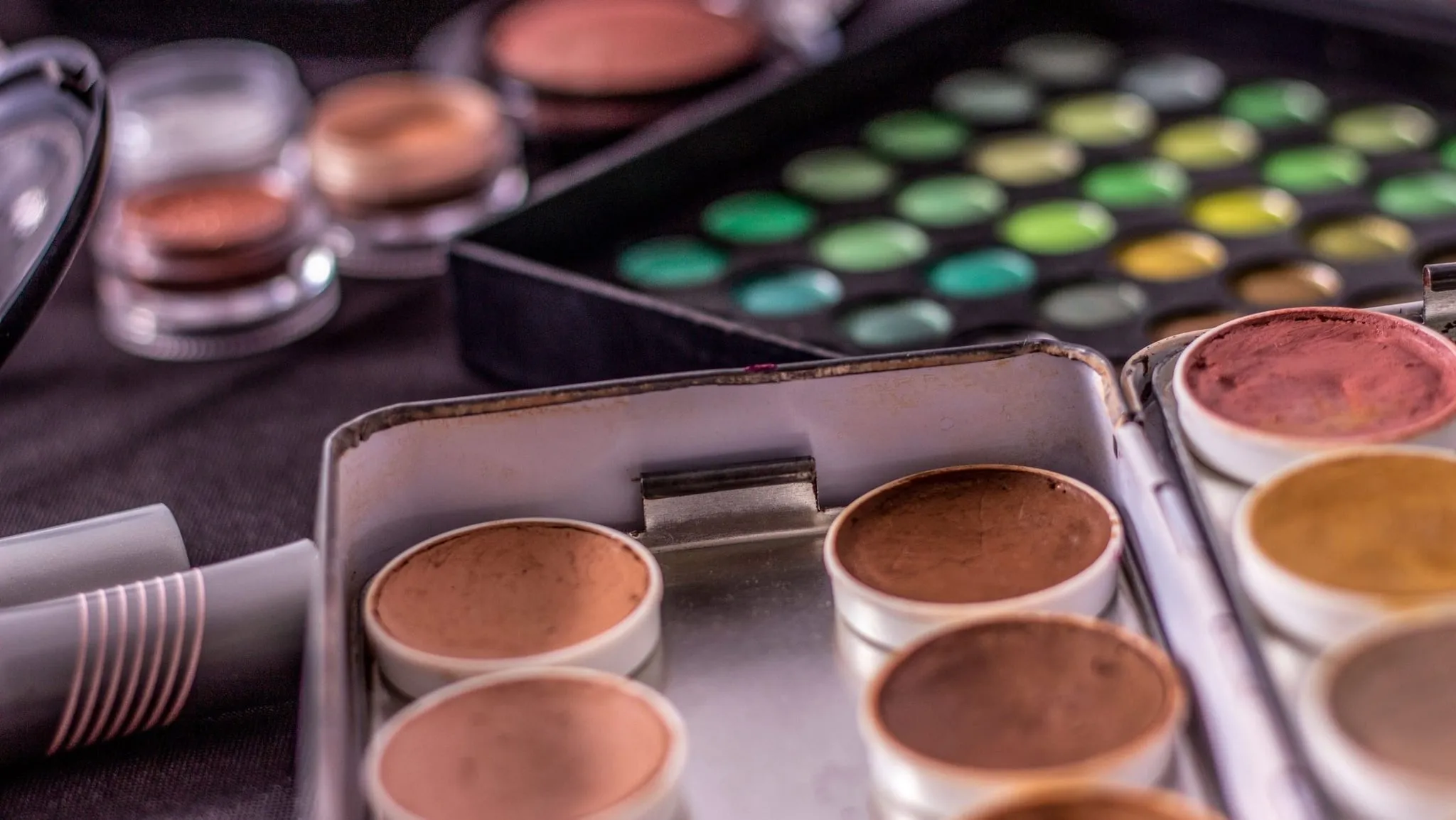
Cosmetics manufacturing doesn’t look like a typical process safety concern from the outside, bright, consumer-facing products in a clean, controlled environment, but the hazards underneath are real. Alcohol-based products, fragrances, nail polish and polish remover, and aerosol formulations all involve flammable solvents, often handled in open mixing, filling, and packaging operations where vapor accumulation and ignition control don’t get the same scrutiny they would in a chemical plant, simply because the finished product doesn’t look hazardous.
Powder handling is the other side of it. Talc, mica, pigments, and various cosmetic powders are milled, blended, and packaged in fine particle sizes, and depending on the specific material, that can mean a genuine combustible dust hazard hiding inside what looks like a straightforward compounding operation. Aerosol filling adds pressurized flammable propellants into the mix, and facilities that also handle nail products or solvent-based formulations often have several of these hazard categories running in the same building, sometimes the same room.
HazBasis works with cosmetics manufacturers on combustible dust testing and Dust Hazard Analysis for powder operations, flammable liquid fire and explosion analysis for solvent and alcohol-based product lines, hazardous area classification for mixing and filling areas, and electrostatic hazard analysis where fine powders or flammable liquids are transferred through nonconductive equipment. We evaluate the actual formulations and processes involved rather than assuming a cosmetics facility carries less risk just because the end product sits on a retail shelf.