

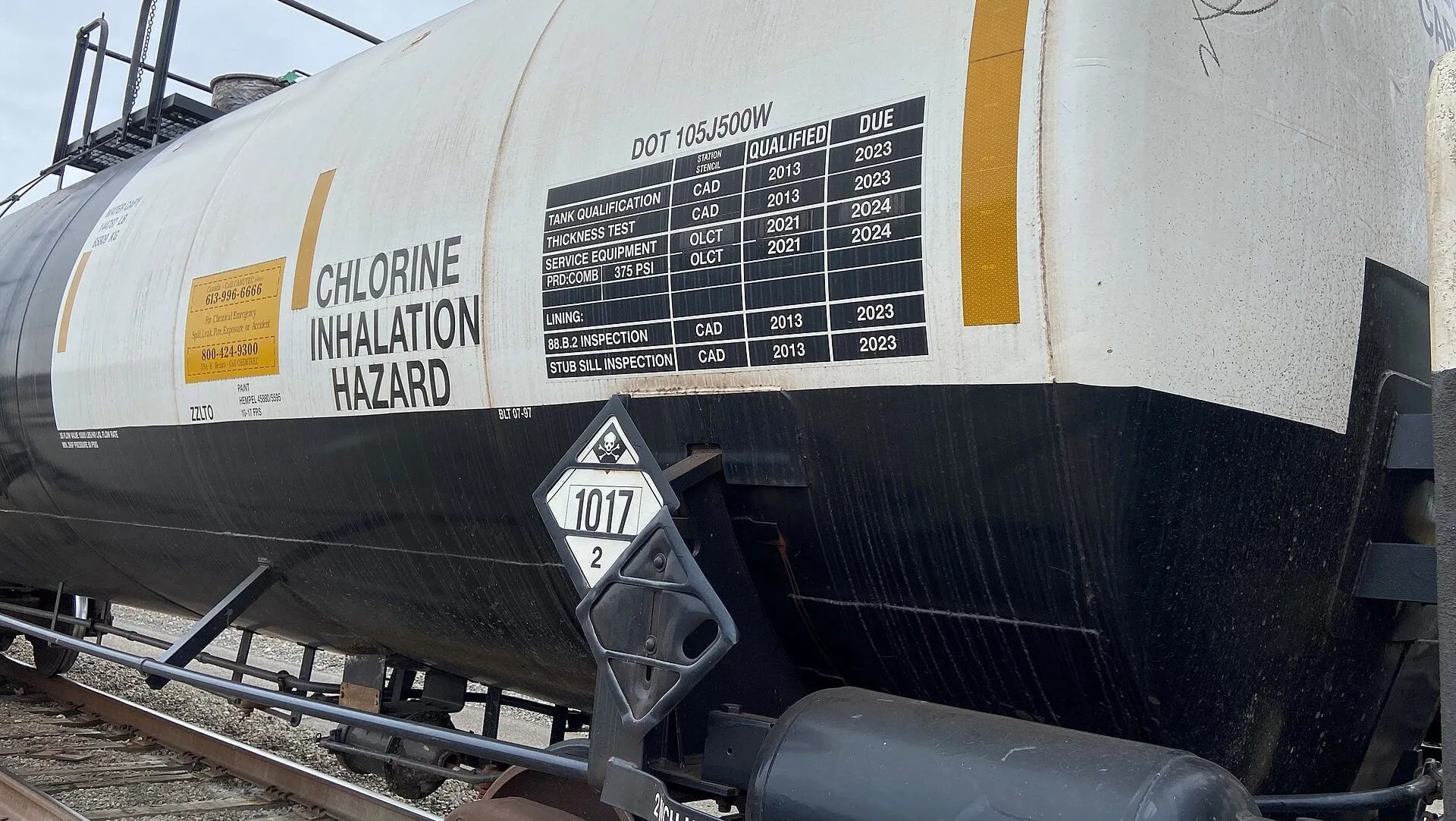
Why UN/DOT Hazard Classification Testing Matters
A transportation classification touches more than a label. It drives packaging requirements, shipping papers, carrier acceptance, and how emergency responders react if something goes wrong in transit. Getting it wrong can mean a shipment gets rejected at the dock, or worse, gets accepted and mislabeled. HazBasis helps manufacturers and shippers define the right test program for readily combustible solids, self-heating substances, water-reactive materials, and oxidizing solids, then delivers data written clearly enough to support the classification decision itself.
Not sure what classification testing you need? Reach out and we’ll help you scope it.
Common Project Objectives
This testing typically supports new product and formulation classification, reclassification after a composition or process change, SDS Section 14 and shipping documentation, resolution of carrier, customer, or regulator questions, and verification after an incident or a nonconforming shipment.
Why Choose HazBasis
- A misclassified shipment doesn’t just risk a fine. It risks a carrier rejecting the load, a customer questioning your paperwork, or an emergency responder walking into a situation without the information they needed.
- We run these tests to the UN Manual of Tests and Criteria methods specifically, and document the sample condition alongside the result.
- Reports are written to hold up when a carrier, customer, or regulator asks how the classification was determined.
- Where a classification question turns out to connect to a broader process safety issue, that work can extend directly into a DHA, a process hazard review, or incident support without starting over on a new team.
Our Services
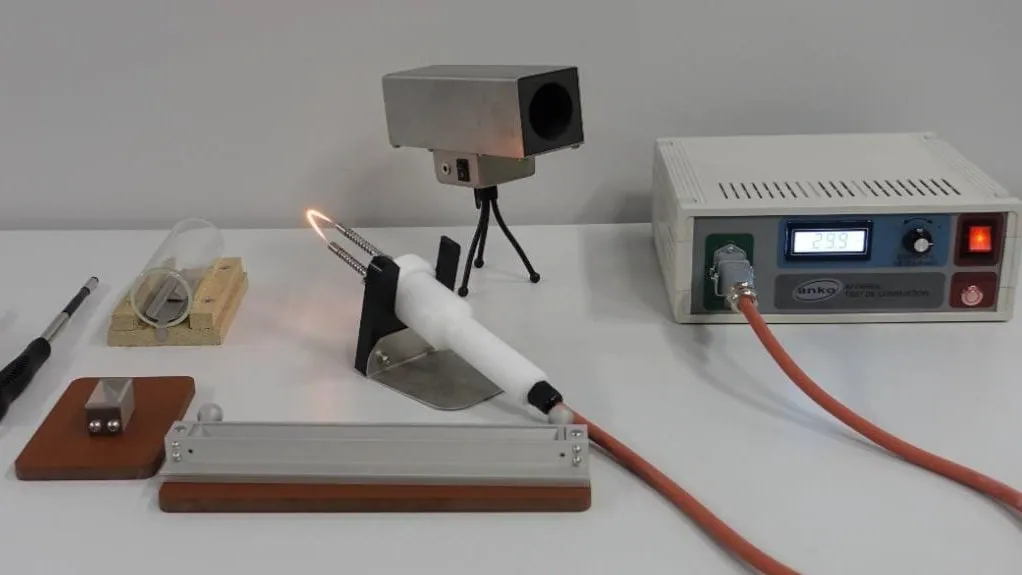
UN N.1 Burn Rate / Fire Train Testing
Measures how readily a solid ignites and how fast it burns once ignition occurs, following the UN N.1 method for readily combustible solids. Determines whether the material is classified as a Division 4.1 flammable solid for transport.
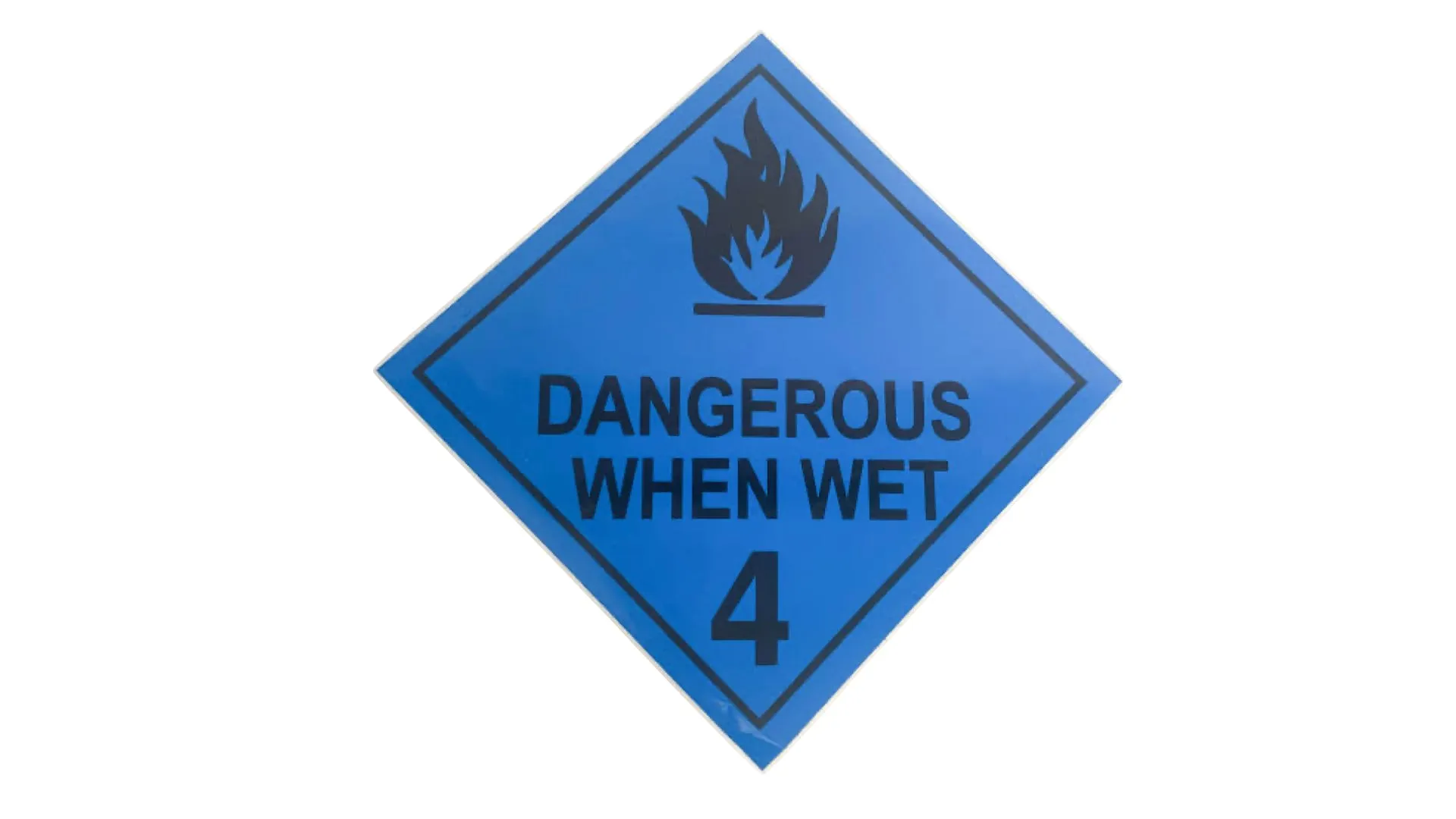
UN N.5 Dangerous When Wet Testing
Tests whether a material reacts with water to emit flammable gas, and if so, how rapidly and in what quantity, following the UN N.5 method. Determines Division 4.3 classification and drives packaging and stowage requirements for shipment.
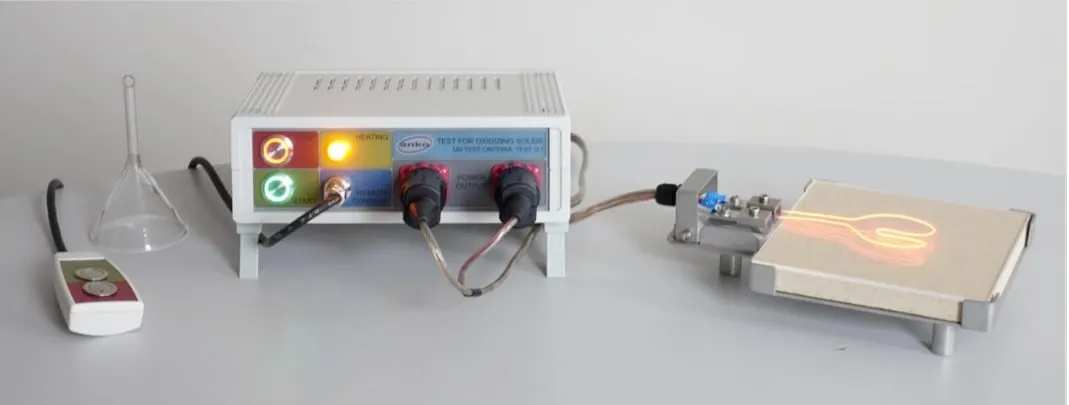
UN O.1 Oxidizing Solids Testing
Measures how strongly a solid accelerates the combustion of other materials it contacts, following the UN O.1 method. Determines Division 5.1 classification, which affects segregation requirements from flammable and combustible materials in transport.
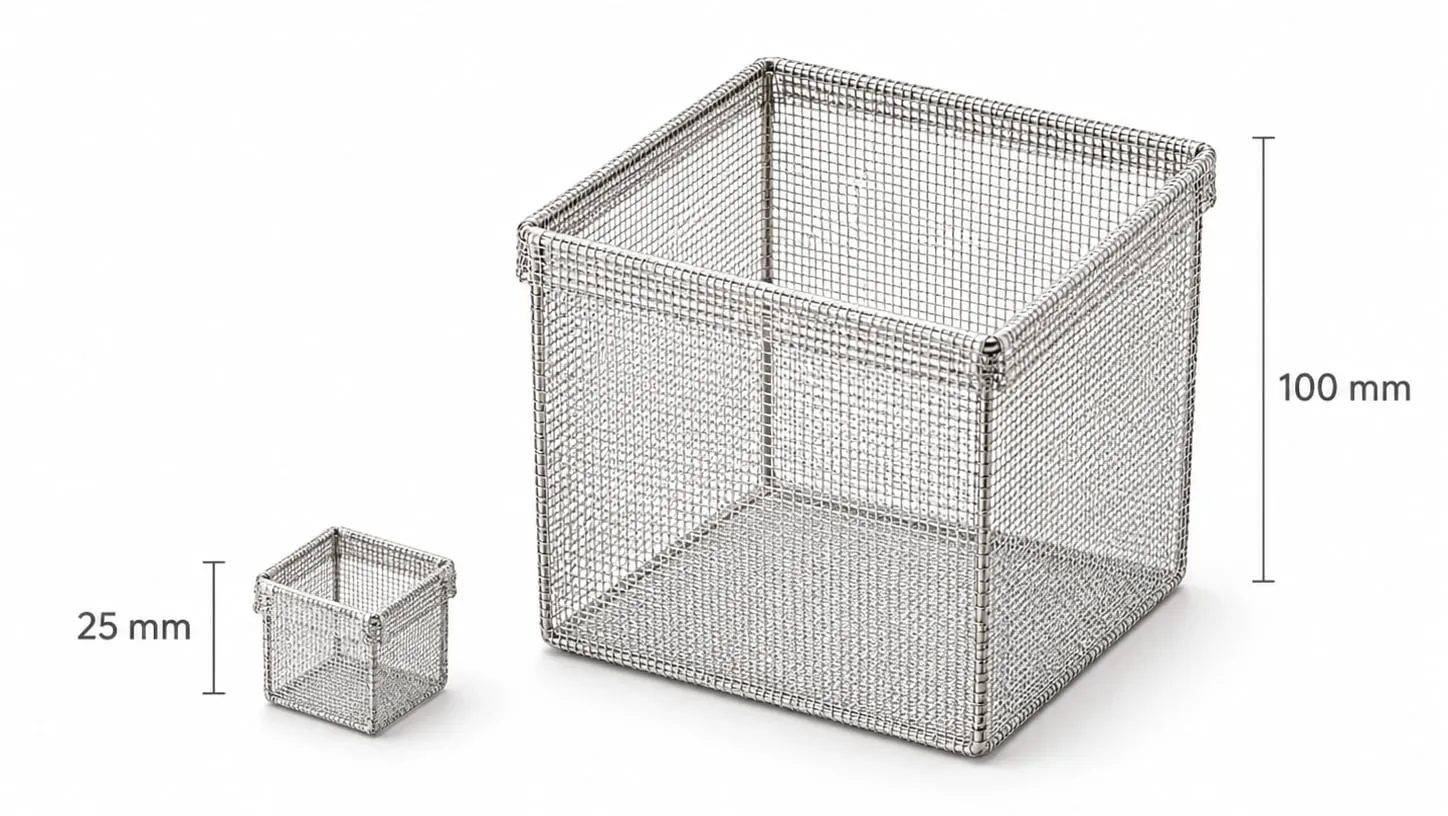
UN N.4 Self-Heating Testing
For solids that may generate heat by gradual reaction with oxygen and potentially self-ignite. Supports Division 4.2 self-heating classification and packing-group evaluation.