Why Electrostatic Hazard Testing Matters
Electrostatic ignition risk isn’t answered by a single resistance value. It depends on the material, the equipment, the transfer operation, the grounding path, the atmosphere, and the minimum ignition energy of the flammable mixture involved, all at once. HazBasis combines targeted electrostatic measurements with process safety interpretation, so you can actually evaluate bonding, grounding, conductive materials, liners, containers, FIBCs, and operating procedures against real risk, not just a number on a report.
Not sure what electrostatic testing you need? Reach out and we’ll help you scope it.
Common Project Objectives
This testing typically supports Electrostatic Hazard Assessments under NFPA 77 or IEC guidance, qualification of packaging, liners, hoses, containers, and FIBCs, investigation of shocks, sparks, fires, or unexplained ignitions, evaluation of grounding and bonding effectiveness, and material or equipment change management.
Why Choose HazBasis
- Experienced laboratory and process safety personnel, not lab technicians running methods in isolation
- A clear separation between the measured result, the interpretation, and the engineering recommendation, so you know which is which
- Laboratory data that connects directly to DHA, EHA, PHA, incident investigation, and protection design work
- Direct technical communication from scoping through the final report
Our Services
Volume Resistivity
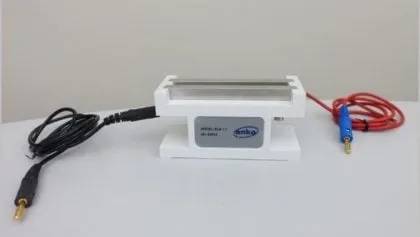
Measures how well a material resists electrical current flow through its bulk, a key indicator of whether static charge will dissipate or accumulate. Used to classify materials as conductive, dissipative, or insulating.
Surface Resistivity
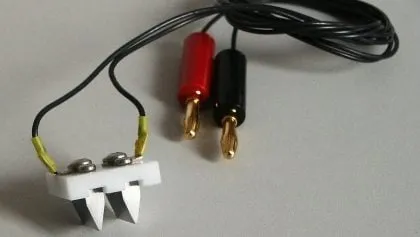
Measures resistance to current flow across a material’s surface, which often governs charge behavior differently than the bulk of the material. Particularly relevant for coated surfaces, films, and liners.
Charge Decay / Relaxation Time
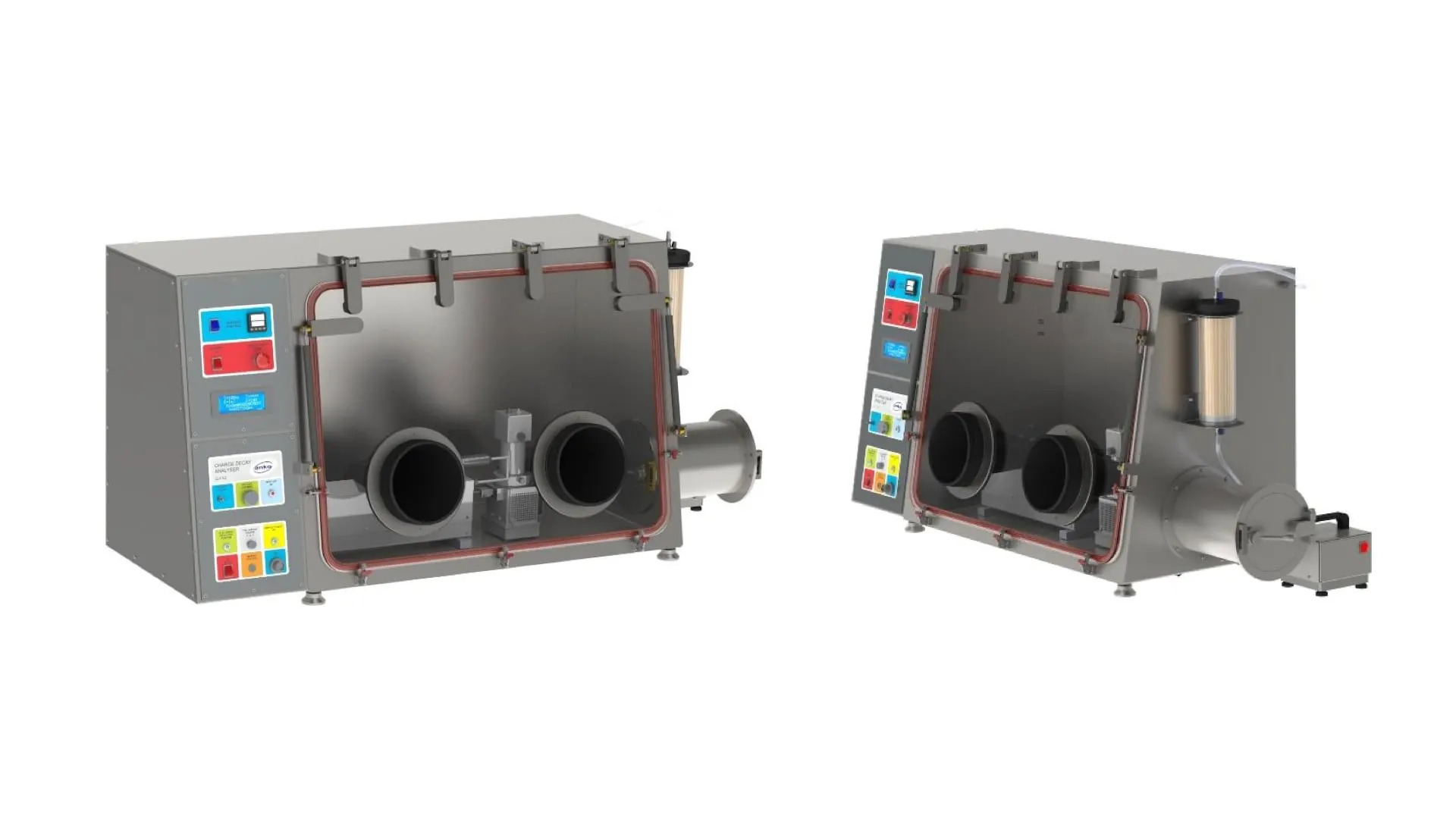
Measures how quickly static charge dissipates from a material once generated. A short decay time generally means lower ignition risk; a long one means charge can accumulate to a dangerous level.
Electrostatic Charge Transfer Measurement
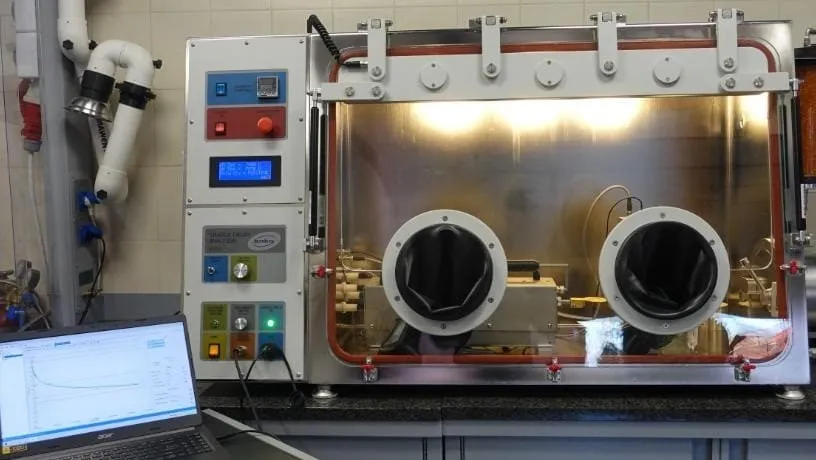
Quantifies the actual charge transferred during a specific handling operation, such as pouring, conveying, or filling. Connects material properties directly to a real process scenario rather than a lab abstraction.
Breakdown Voltage
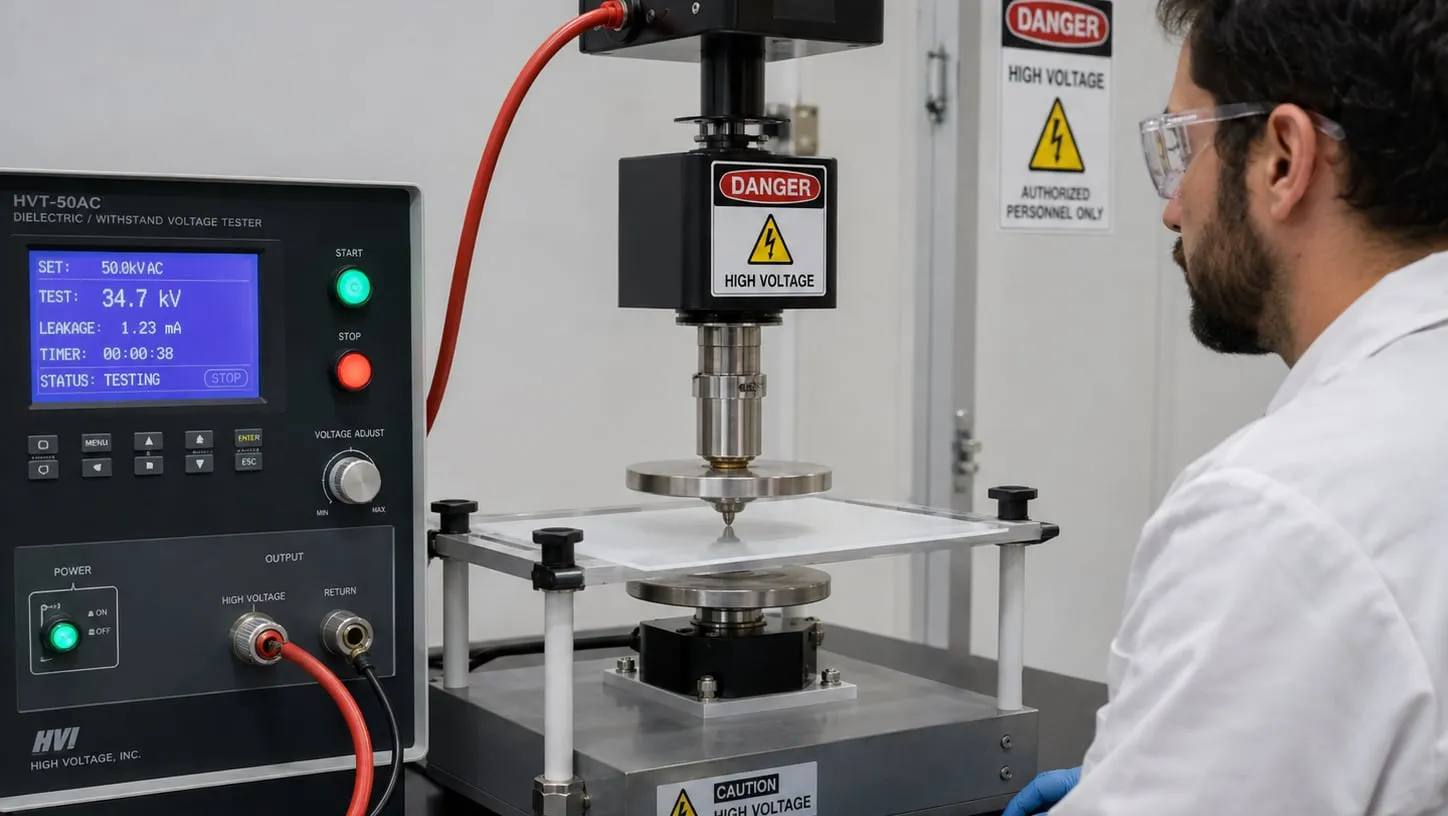
Determines the voltage at which a material’s insulating properties fail and allow current to pass through. Relevant for evaluating liners, coatings, and insulating barriers used in hazardous locations.
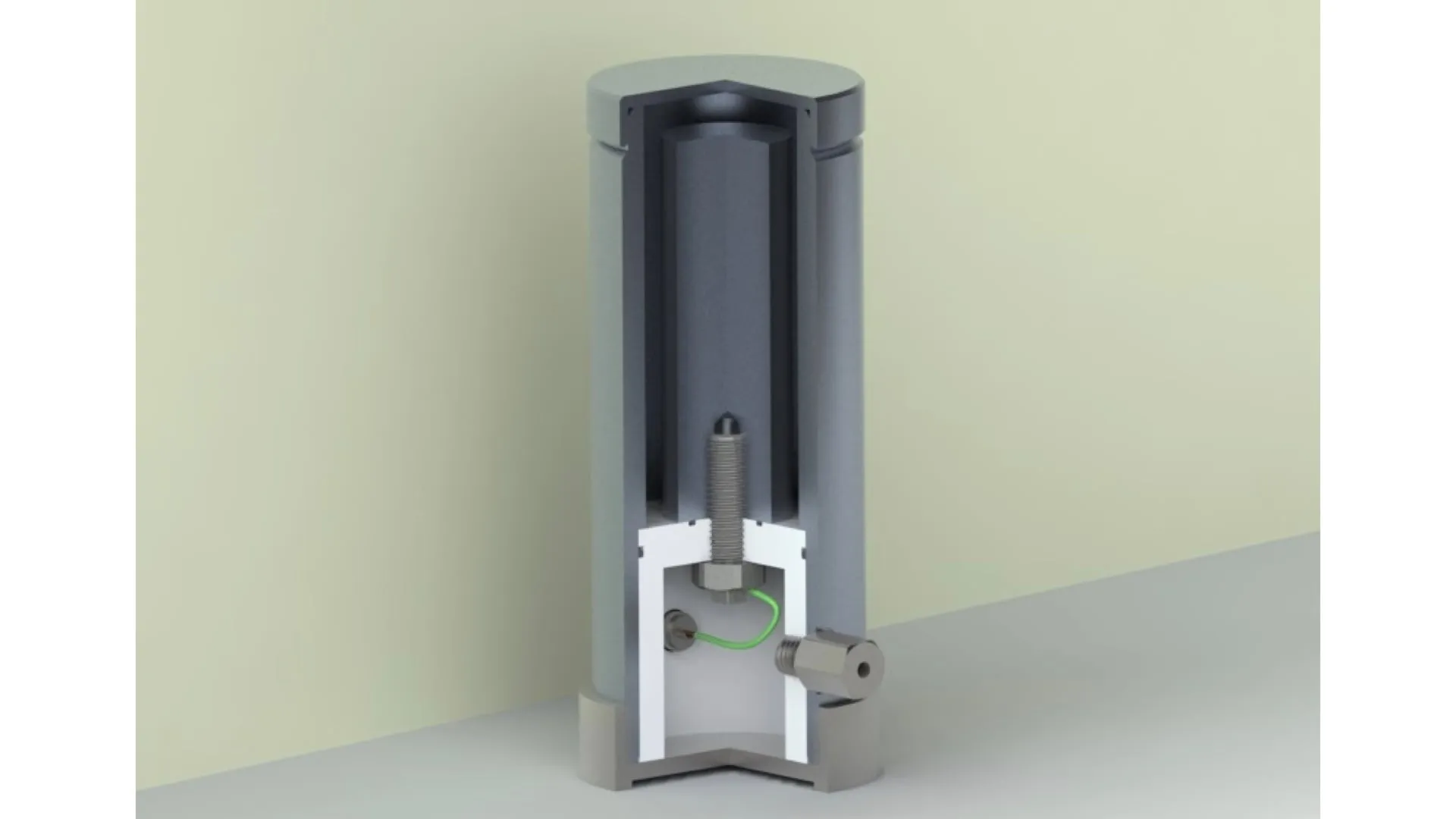
Liquid Electrical Conductivity
Measures a liquid’s ability to conduct electricity, which determines how readily it generates and retains static charge during transfer or agitation. A core input for flammable liquid handling and bonding/grounding decisions.
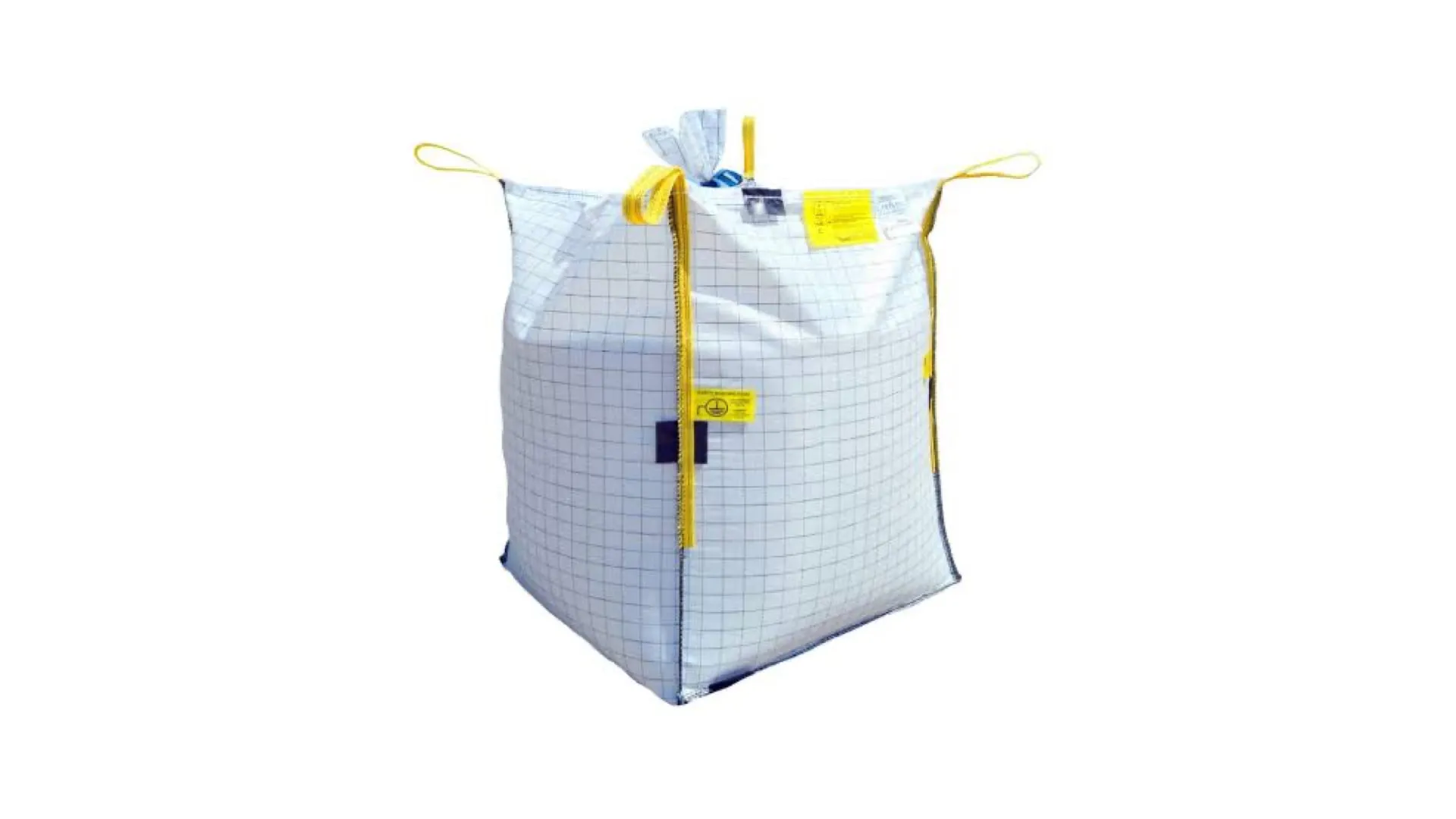
FIBC Electrostatic Classification
Determines which electrostatic protection category (Type A, B, C, or D) a flexible intermediate bulk container falls into. Confirms whether the FIBC is suitable for use with flammable atmospheres or combustible dust.

Sparks from Isolated Conductors and Insulators
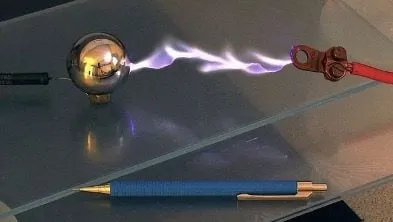
Evaluates whether isolated conductive components, or charged insulating surfaces, can produce an incendiary spark discharge. Identifies overlooked ignition sources in equipment and process components.
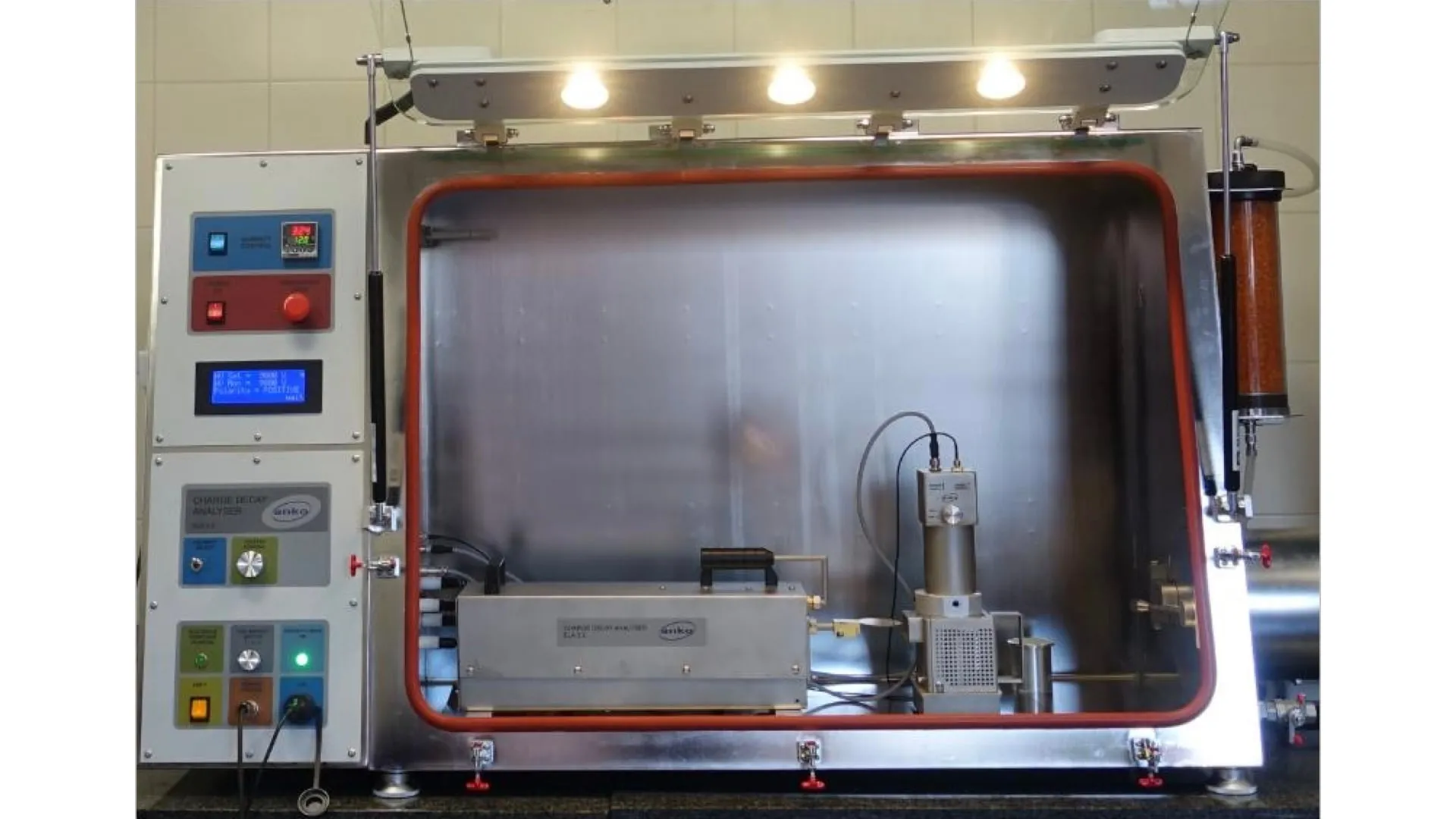
Igniting Power of Insulating Materials
Assesses whether a charged insulating material can release enough energy in a brush discharge to ignite a flammable atmosphere. Helps determine whether insulating materials need to be restricted or replaced in classified areas.
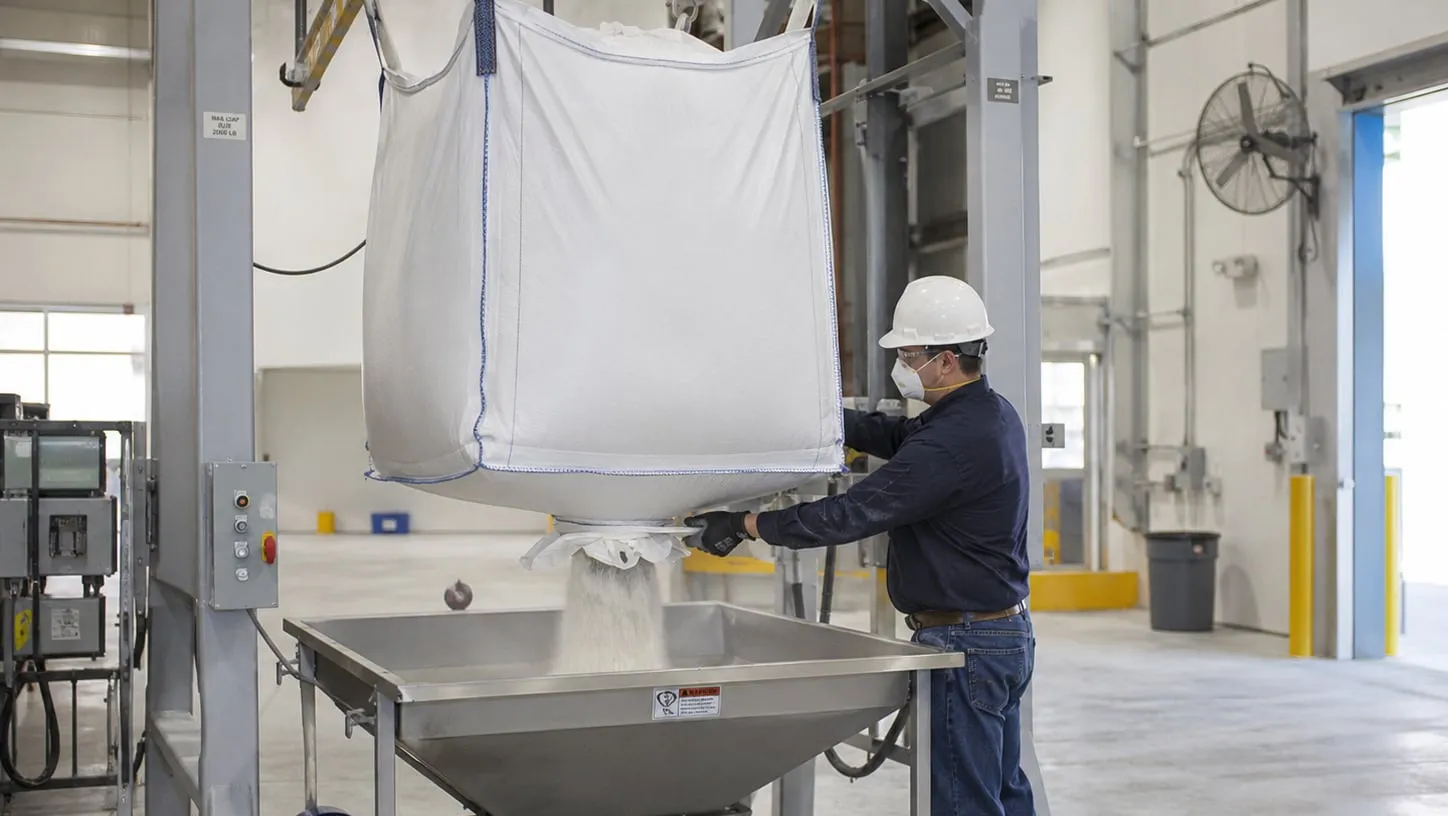
Integrated Electrostatic Discharge
Combines multiple electrostatic measurements into a single process-representative evaluation of discharge risk. Useful when a single test in isolation doesn’t capture how the full system actually behaves.
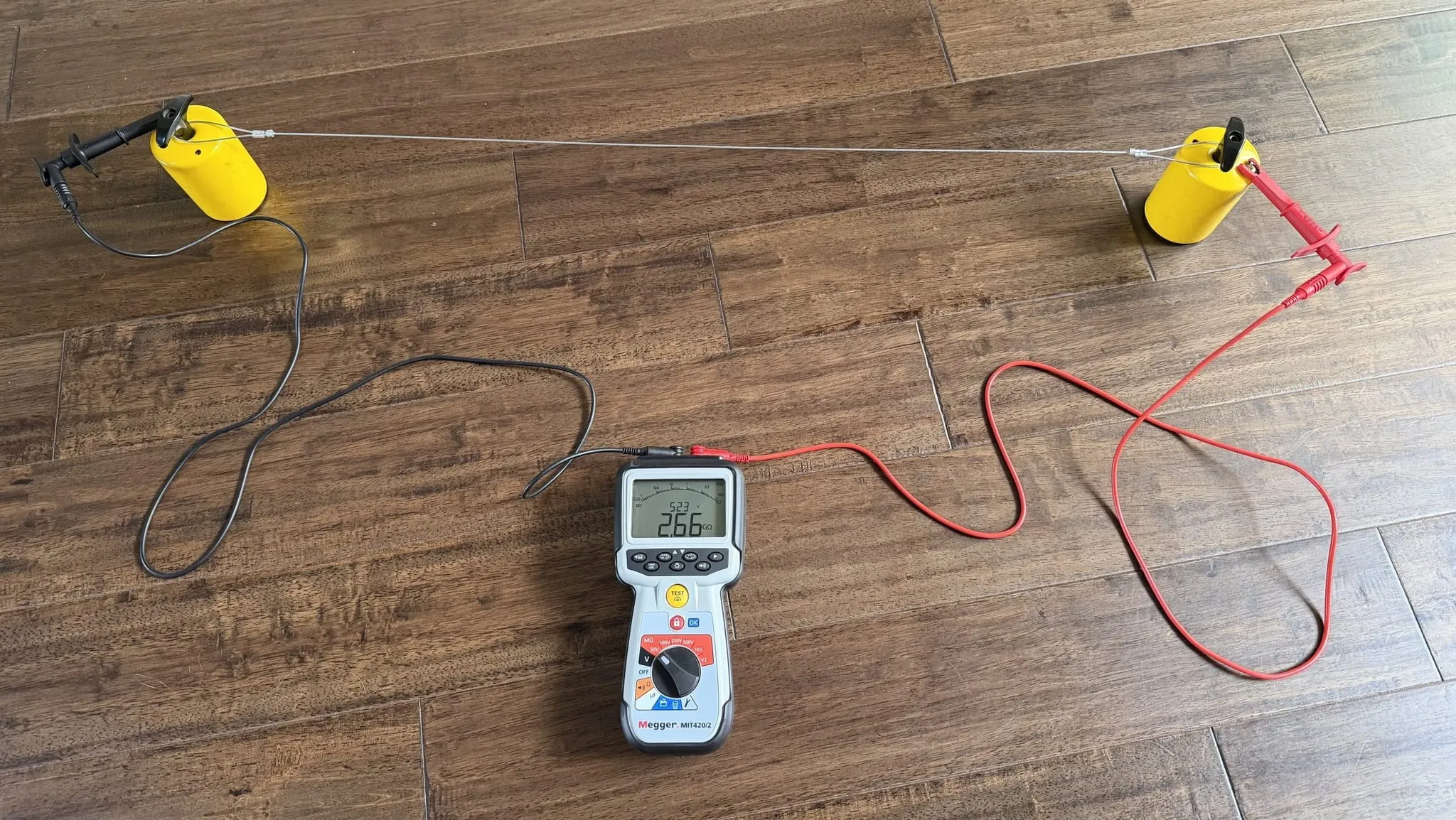
ASTM F150 Floor Resistance Testing
Measures the electrical resistance of flooring to assess static control performance. Supports flooring selection for classified areas and static-sensitive operations.