Why Self-Heating & Thermal Instability Testing Matters
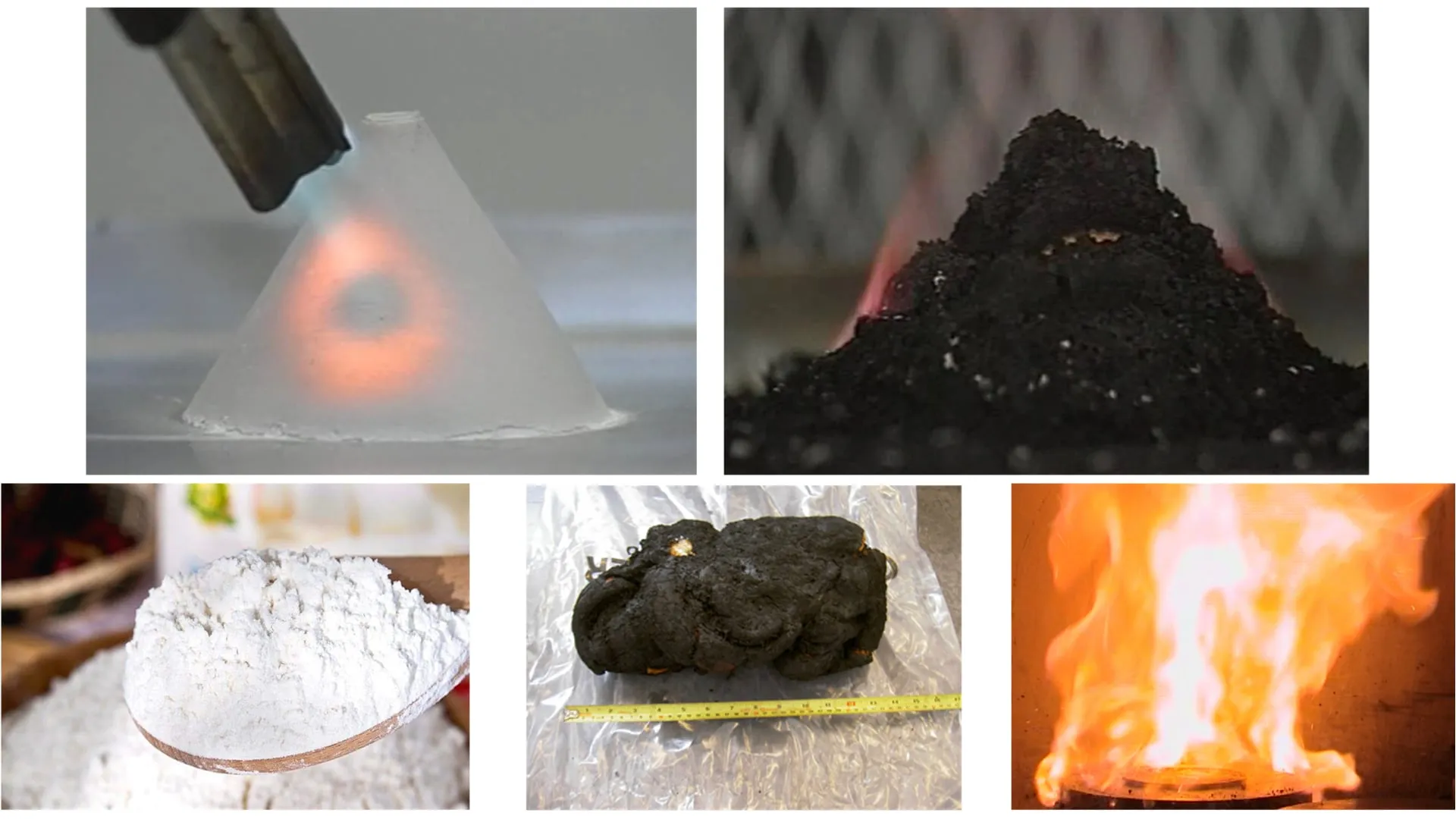
A powder doesn’t need to be spark sensitive to be dangerous. Oxidation, decomposition, biological activity, and poor heat dissipation can all drive a slow temperature runaway in a dryer, a silo, a filter, a packaging line, or a bulk shipment, often without any obvious ignition source involved at all.
HazBasis selects the test configuration that actually represents the material bed, airflow, scale, and operating temperature relevant to your process, rather than defaulting to a single standard test regardless of how the material is actually handled.
Not sure what self-heating testing you need? Reach out and we’ll help you scope it.
Common Project Objectives
This testing typically supports dryer and oven operating limit development, silo, bin, hopper, and bulk storage risk assessment, UN/DOT self-heating classification, scale-up and safe hold-time decisions, and investigation of smoldering, odor, discoloration, or unexplained temperature rise in stored or processed material.
Why Choose HazBasis
- Experienced laboratory and process safety personnel, not lab technicians running methods in isolation
- A clear separation between the measured result, the interpretation, and the engineering recommendation, so you know which is which
- Laboratory data that connects directly to DHA, EHA, PHA, incident investigation, and protection design work
- Direct technical communication from scoping through the final report
Our Services
Self-Heating Screening Testing
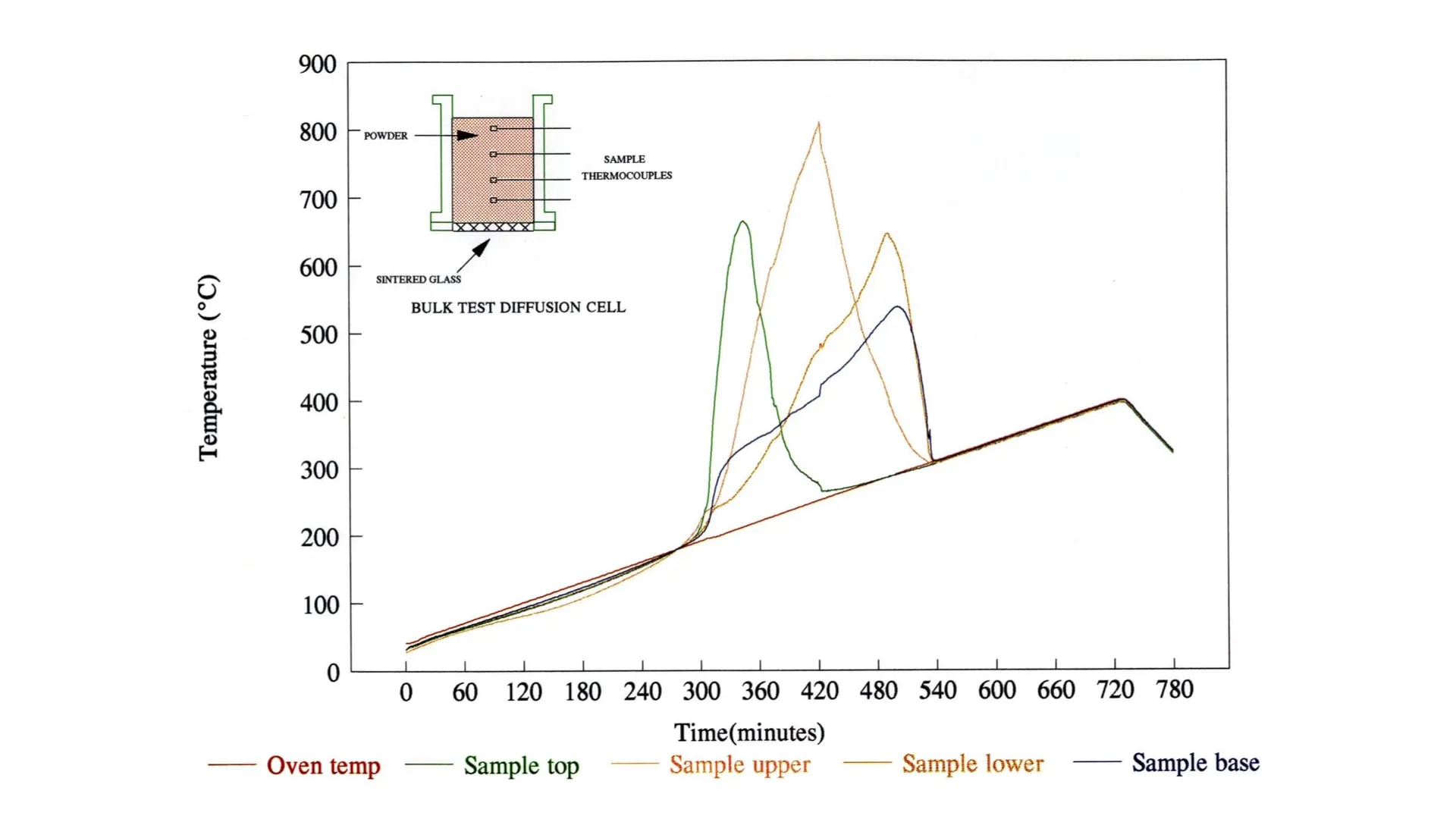
Identify powder self-heating and thermal instability with aerated powder, powder layer and bulk powder screening tests for dryers, storage and handling.
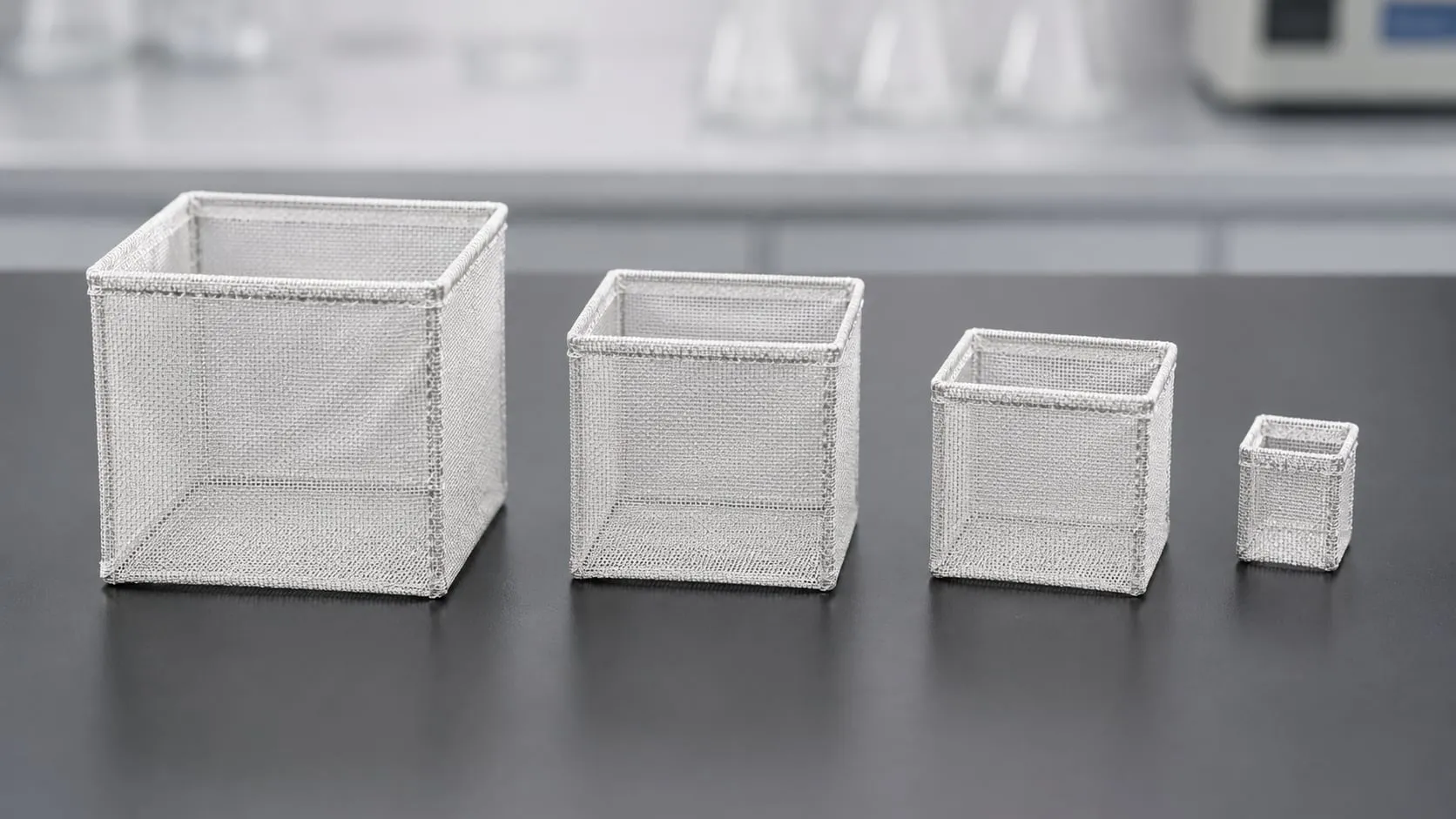
Basket Self-Heating & Scale-Up Testing
Understand how self-heating risk changes as powder accumulation increases. BS EN 15188:2020 basket testing provides a scale-dependent basis for process safety decisions.