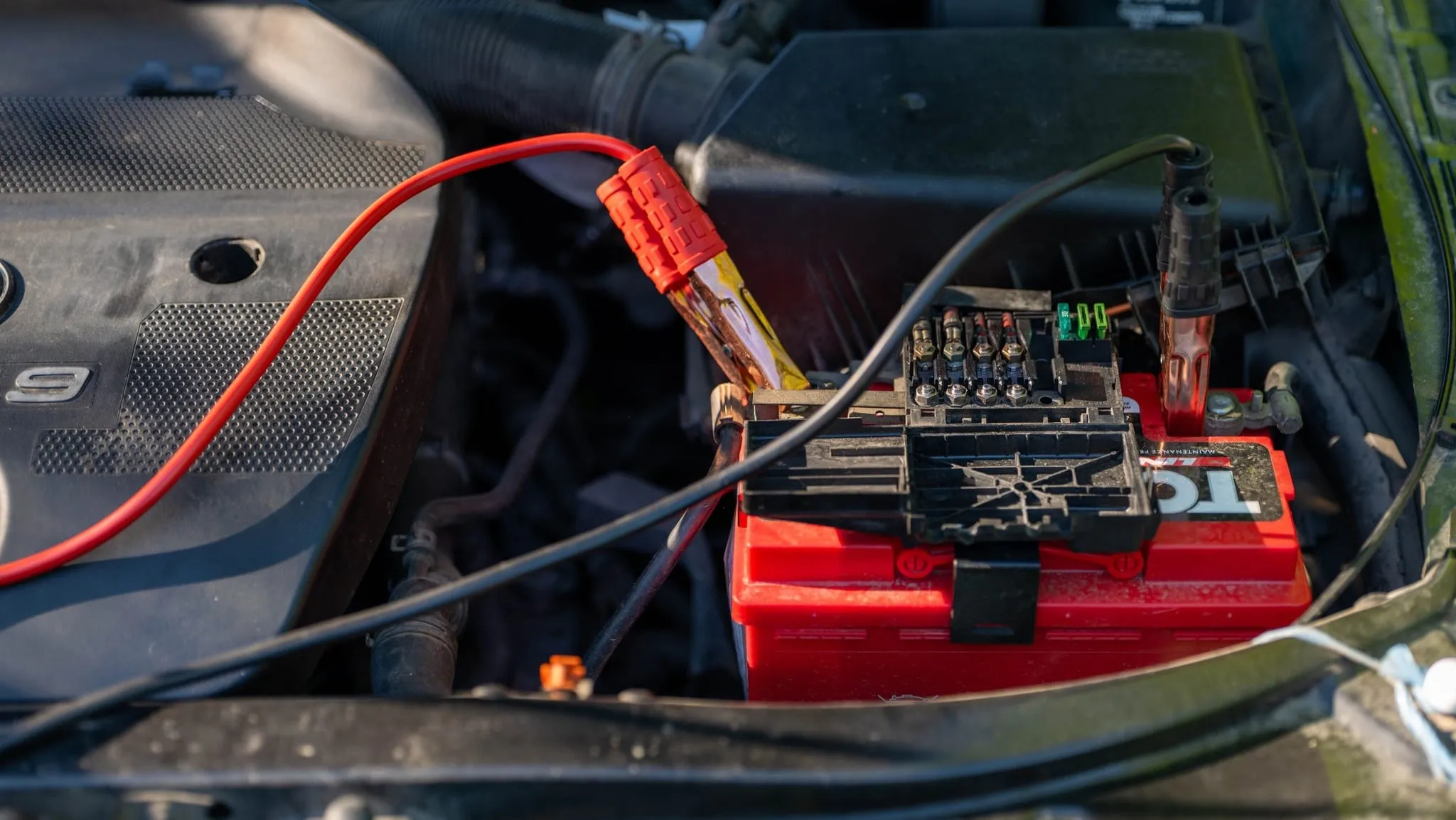
Battery manufacturing and storage sit at the center of a hazard profile that didn’t really exist in most facilities a decade ago. Lithium-ion cells combine flammable electrolyte, stored electrical energy, and a chemistry that can self-accelerate once it starts to fail, meaning a single defective or damaged cell can escalate into thermal runaway, and thermal runaway in one cell can propagate to its neighbors before anyone has time to intervene. That combination doesn’t fit neatly into a traditional combustible dust or flammable liquid framework, which is exactly why so many facilities are still catching up on how to evaluate it properly.
The hazard shows up differently depending on where you sit in the battery lifecycle. Cell manufacturing involves flammable solvents in electrode coating, dry rooms, and formation and aging processes where cells are first charged under controlled but still hazardous conditions. Battery energy storage system (BESS) sites need to understand gas generation, pressure buildup, and ventilation at the enclosure and room scale, since UL 9540A and similar evaluations increasingly drive design decisions before a system is even installed. And anywhere batteries are tested, shipped, or stored in bulk, whether that’s an R&D lab, a distribution center, or a recycling facility, the same underlying question applies: what happens if one cell fails, and how far does it spread.
HazBasis supports battery manufacturers, BESS developers, EV and mobility companies, and testing laboratories with battery ARC testing and thermal runaway gas generation rate testing, paired with the process safety work that turns that lab data into something usable, ventilation design, gas detection, explosion protection, hazardous area classification, and facility siting. We also support the more conventional hazards that come with battery production itself: flammable liquid handling in electrolyte and solvent operations, combustible dust from certain electrode materials, and PSM program support for facilities that cross OSHA’s covered process thresholds.