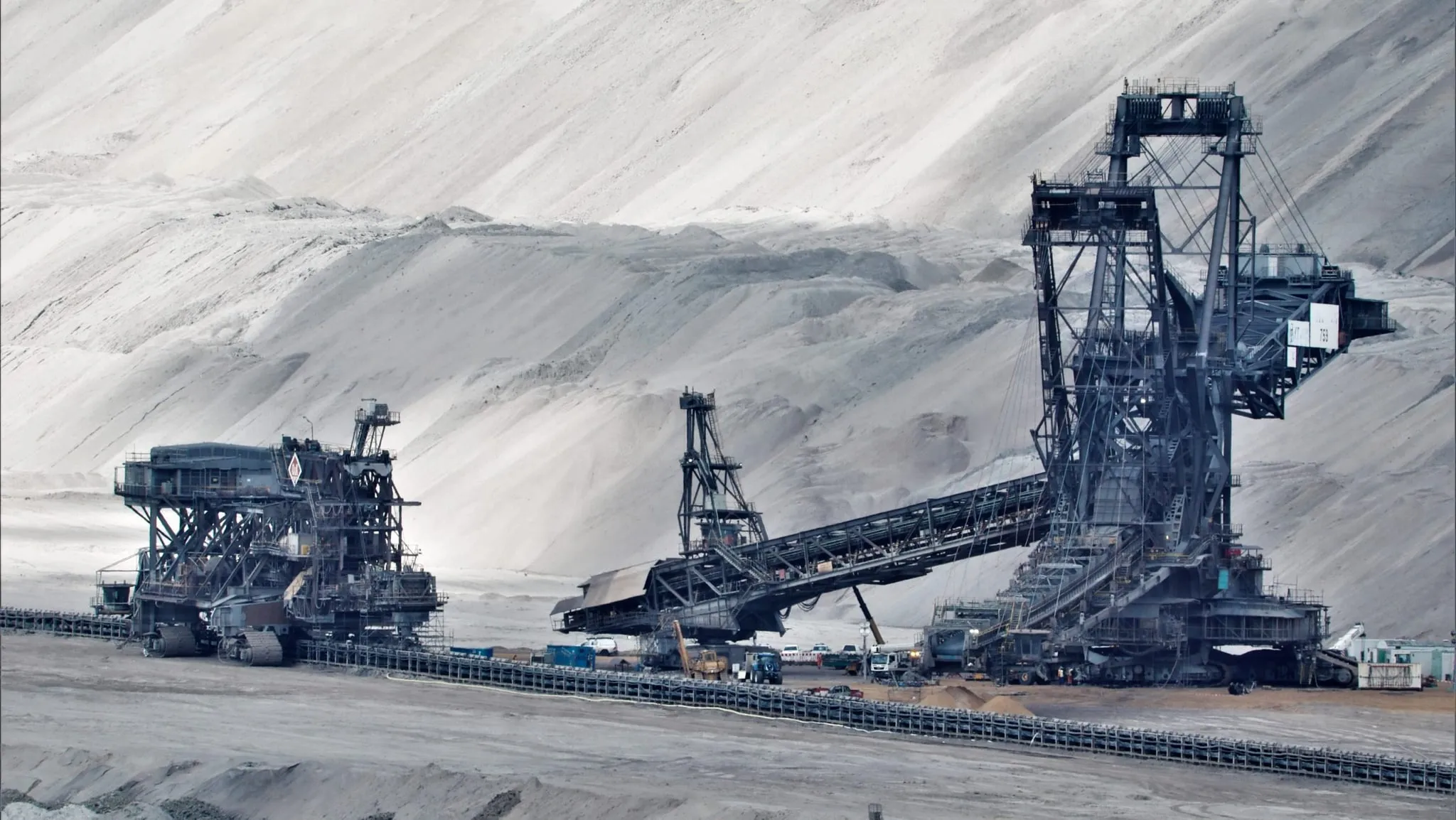
Coal dust and methane gas built much of the historical foundation for combustible dust and gas hazard science, and mining operations still carry that legacy directly. Coal dust suspended in air is explosible in roughly the same way grain dust is, but underground operations add a hazard most other industries never have to think about: a confined, poorly ventilated space where methane can accumulate independently of the coal itself, creating a hybrid gas and dust atmosphere that behaves differently, and often more severely, than either hazard alone.
Self-heating is the other hazard that sets coal apart. Stockpiled coal can oxidize slowly and generate heat internally, sometimes over weeks or months, until a pile that looked stable develops a hot spot or an outright fire with no obvious external ignition source. Surface operations deal with this in storage yards and stockpiles; underground operations deal with it in gob areas and sealed sections where a slow self-heating event can be difficult to detect until it’s already progressed. Preparation plants, coal handling facilities, and processing operations add conventional combustible dust concerns on top of that, from crushing and screening to conveying and loading.
HazBasis supports coal handling and processing facilities, preparation plants, and surface operations with combustible dust testing and Dust Hazard Analysis, self-heating and thermal instability testing for stockpiled and stored material, hazardous area classification, and ignition source analysis. Much of this work follows the same technical foundation used across other bulk solids industries, applied to a material with a well documented, and still very real, history of getting this wrong.