

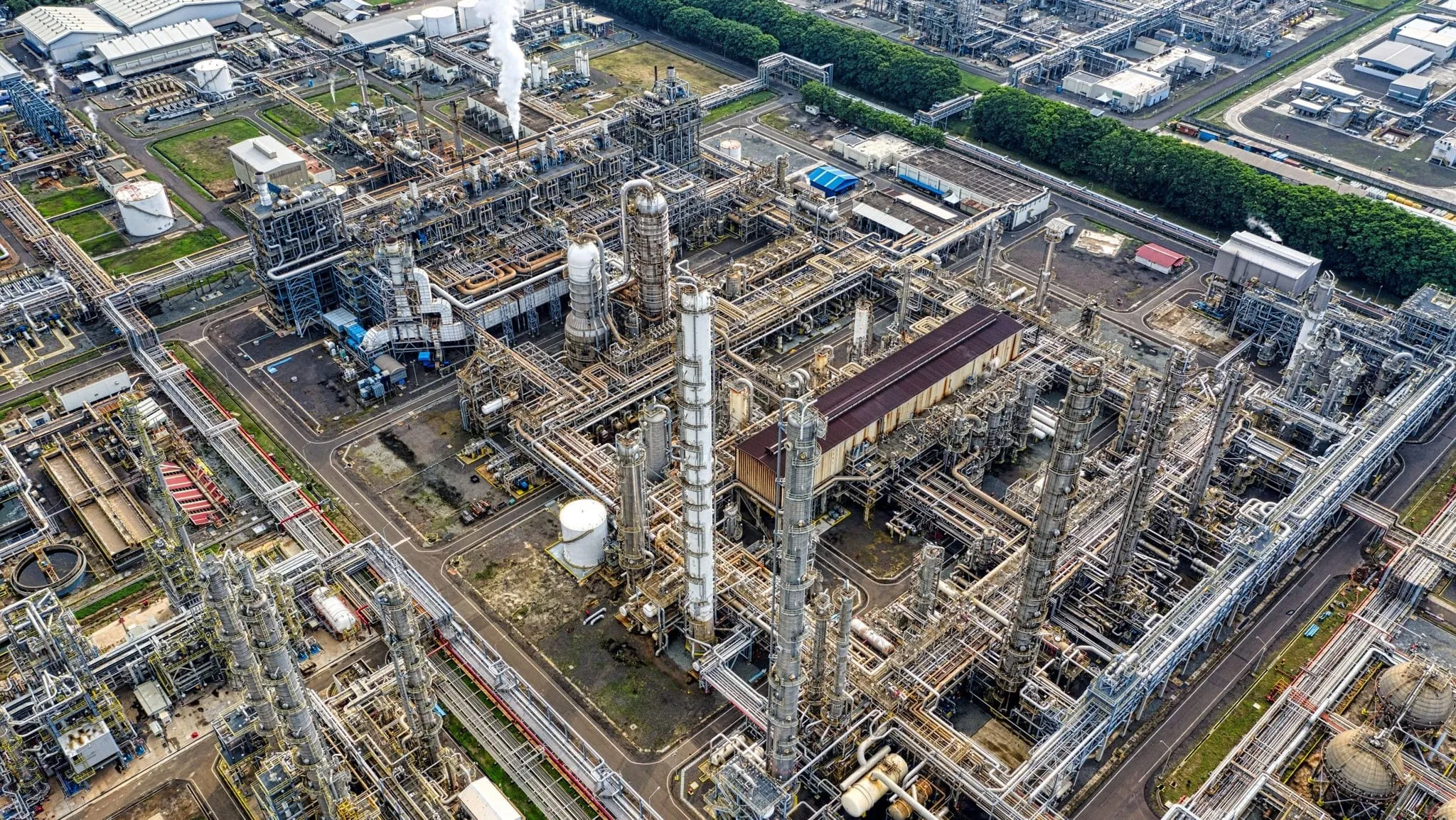
Facility Siting Services
OSHA PSM-Aligned Facility Siting Review for Occupied Buildings, Process Units, Control Rooms, and High-Hazard Industrial Facilities
HazBasis Process Safety provides professional Facility Siting Services for industrial facilities handling flammable, toxic, reactive, explosive, combustible dust, or high-consequence process hazards.
We help facility owners, plant managers, EHS leaders, process engineers, architects, EPC firms, insurers, and management teams evaluate whether occupied buildings, control rooms, portable buildings, warehouses, laboratories, and support structures are appropriately located relative to credible process hazard scenarios.
Need a Facility Siting Study? Reach out and we’ll help.
What Is Facility Siting?
Facility siting isn’t just a layout question. It’s a process safety decision about whether people and occupied buildings are far enough away, or protected well enough, from a credible fire, explosion, toxic release, or process hazard scenario. Get the layout wrong and the consequences of an incident scale up dramatically, not because the process itself got more dangerous, but because there were more people standing closer to it than there needed to be.
For PSM covered processes, facility siting has to be addressed as part of the Process Hazard Analysis. Even outside PSM, a siting review matters wherever hazardous materials, flammable liquids, combustible dusts, toxic gases, hydrogen, reactive chemicals, or explosion hazards could reach an occupied building or a nearby operation. HazBasis works through that question directly: are the buildings people work in actually positioned safely relative to what the process could do on its worst day?
When You Need a Facility Siting Study
You may need this review if you’re:
- Performing or revalidating a PHA
- Building a new process unit or expanding an existing facility
- Adding hazardous chemicals or flammable materials
- Locating a new occupied building, lab, office, control room, maintenance shop, or warehouse
- Installing a temporary or portable building
- Modifying process equipment near occupied structures
- Evaluating blast, fire, toxic, or dust explosion exposure
- Responding to PHA recommendations, or closing OSHA, insurer, corporate, or audit findings
- Performing an MOC or PSSR
- Purchasing, leasing, or repurposing an industrial building
- Reviewing whether your current site layout creates unacceptable exposure to personnel
OSHA PSM Aligned Facility Siting Support
Our Facility Siting Services are aligned with OSHA PSM expectations and recognized process safety practice. Depending on scope, we support facility siting review for PHA and HAZOP studies, occupied building and control room siting review, portable building siting, process unit layout review, blast overpressure and thermal radiation exposure review, toxic gas dispersion interface, combustible dust explosion exposure review, and flammable vapor cloud and flash fire scenario review, along with the separation distance and layout analysis that ties it all together.
The output is meant to give you a clear, defensible siting basis for project decisions, PHA records, engineering review, and risk reduction planning, not just a spacing diagram with a few notes on it.
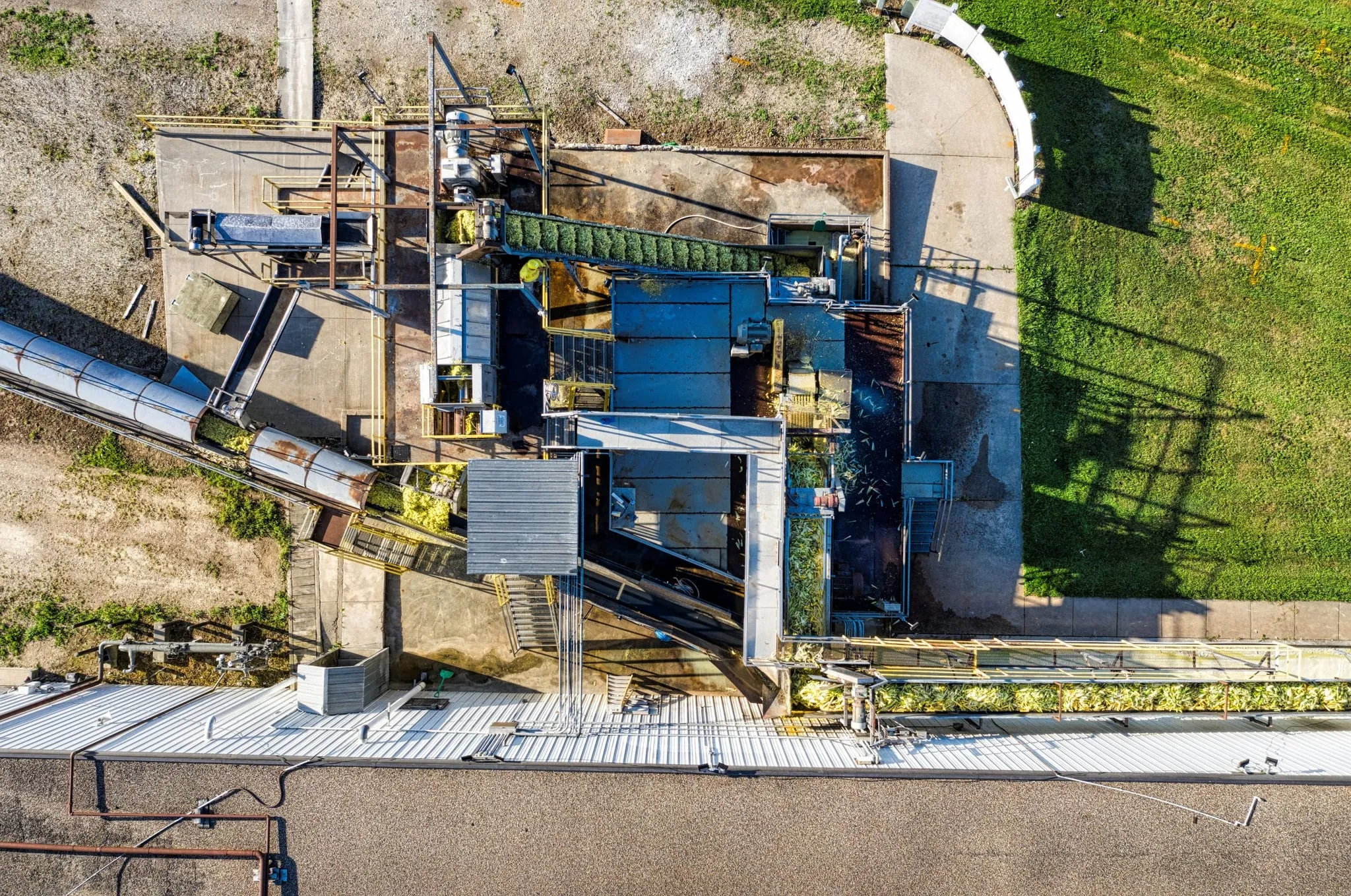
Our Facility Siting Review Process
Step 1: Define the Siting Scope. We identify the buildings, occupied areas, process units, hazardous materials, and project decisions that need review.
Step 2: Collect Site and Process Information. We review plot plans, building layouts, process descriptions, chemical inventories, SDS documents, P&IDs, occupancy information, equipment data, and prior PHA or audit findings.
Step 3: Identify Credible Hazard Sources. We identify credible fire, explosion, toxic release, combustible dust, overpressure, relief discharge, or flammable vapor hazards that may affect occupied areas.
Step 4: Evaluate Exposure Concerns. We review separation distances, building location, exposure duration, occupancy, structure vulnerability, and safeguard effectiveness.
Step 5: Develop Findings and Recommendations. We provide clear findings, risk reduction options, and prioritized recommendations for engineering, EHS, operations, and management.
Step 6: Support Closeout. We support PHA, MOC, PSSR, audit, insurer, or management closeout discussions and help document the basis for the final decision.
What We Deliver
Facility Siting Report
A technical report covering the project and facility description, the PSM aligned siting basis, occupied building and structure inventory, process hazard source identification, credible fire, explosion, toxic, or release scenario screening, building occupancy and use review, and distance and layout review. It closes with existing safeguards, identified vulnerabilities, and recommendations tied to PHA, MOC, PSSR, insurer, or management closeout.
Occupied Building Siting Review
We review whether occupied buildings, administrative offices, control rooms, operator shelters, laboratories, maintenance buildings, warehouses, break rooms, portable buildings, and temporary construction trailers are appropriately located and protected relative to process hazards. The review weighs occupancy, building function, exposure duration, proximity to hazards, and practical options for reducing that exposure.
Fire, Explosion, and Toxic Exposure Screening
Facility siting is only as good as the consequences it’s built around. We evaluate concerns involving vapor cloud explosions, flash fires, jet fires, pool fires, BLEVE type exposure, dust explosions, flammable and toxic gas releases, flammable liquid spills, reactive chemical events, and pressure relief or vent discharge, to identify whether the current or proposed layout actually creates exposure to people, buildings, or critical operations.
Process Unit and Equipment Layout Review
We also look at the arrangement of process equipment, hazardous material storage, utilities, and occupied areas: spacing between equipment and occupied buildings, control room location, separation of flammable liquid storage, hydrogen or fuel gas equipment placement, dust collector and relief discharge location, loading and unloading areas, and emergency access and escape routes. The goal is catching layout problems before they get locked into permanent construction or turn into an expensive retrofit later.
PHA, MOC, and PSSR Support
Facility siting issues come up constantly during process safety reviews. We support PHA facility siting worksheets, HAZOP siting discussions, PHA recommendation closure, MOC reviews involving building location or process changes, PSSR checks before startup, and documentation of siting decisions and assumptions, turning a vague finding like “perform facility siting review” into clear technical documentation and a real next step.
Common Facility Siting Questions We Help Answer
- Is this occupied building too close to the process unit?
- Can we place a control room in this location?
- Is a portable building acceptable near the covered process?
- Are employees exposed to credible blast, fire, toxic, or dust explosion hazards?
- Does this facility layout create PSM concerns?
- What facility siting information should be included in the PHA?
- How should we close a PHA recommendation about facility siting?
- Does a process change require siting revalidation?
- Should the building be relocated, strengthened, occupancy limited, or administratively controlled?
- Are dust collector vents, relief vents, or discharge points creating exposure to occupied areas?
- What should be documented for insurer, corporate, or OSHA review?
Why Choose HazBasis
HazBasis combines process safety management expertise with deep technical experience in fire and explosion hazards, toxic release scenarios, combustible dust, flammable liquids, hydrogen, hazardous area classification, electrostatic hazards, pressure relief systems, incident investigation, and fire and building code review.
Our Facility Siting Services are:
- OSHA PSM aligned and PHA ready
- Technically defensible and authority facing
- Practical for engineering and management decisions
- Focused on credible fire, explosion, and toxic exposure scenarios
- Useful for MOC, PSSR, audit, insurer, and corporate safety support
We don’t treat facility siting as a generic spacing checklist. We evaluate the actual site layout, occupied buildings, process hazards, materials, exposure pathways, safeguards, and practical options for reducing risk in your facility specifically.
FAQ
What is Facility Siting?
Facility siting is the process of evaluating the location of occupied buildings, control rooms, portable buildings, process equipment, storage areas, and critical infrastructure relative to credible process hazards such as fires, explosions, toxic releases, and combustible dust events.
How is Facility Siting related to OSHA PSM?
OSHA PSM requires the Process Hazard Analysis to address facility siting. Facility siting studies can also support PHA recommendation closure, MOC review, PSSR, audits, incident investigation, and management decisions.
What types of buildings should be reviewed?
Typical buildings include offices, control rooms, operator shelters, labs, maintenance shops, warehouses, break rooms, portable buildings, contractor trailers, and other occupied structures near hazardous processes.
What hazards are considered in a facility siting review?
Hazards may include vapor cloud explosions, flash fires, pool fires, jet fires, toxic gas releases, combustible dust explosions, pressure relief discharge, hydrogen releases, flammable liquid spills, and reactive chemical events.
Can HazBasis help close a PHA recommendation for facility siting?
Yes. HazBasis can review the PHA recommendation, define the required scope, evaluate the siting concern, and prepare documentation to support recommendation closure.
Can Facility Siting be reviewed before building purchase or lease?
Yes. HazBasis can help evaluate whether a proposed building or site layout appears suitable for the intended industrial use before purchase, lease, expansion, or tenant improvement decisions.
Can this be done remotely?
Many preliminary reviews can be performed remotely if plot plans, layouts, photos, chemical inventories, P&IDs, and process information are available. Complex facilities, unclear layouts, or high-risk exposure concerns may require a site walkdown.
Does HazBasis provide quantitative consequence modeling?
HazBasis can support screening-level or technical siting evaluations and can help define when more detailed consequence modeling, blast analysis, toxic dispersion modeling, or structural evaluation may be needed.