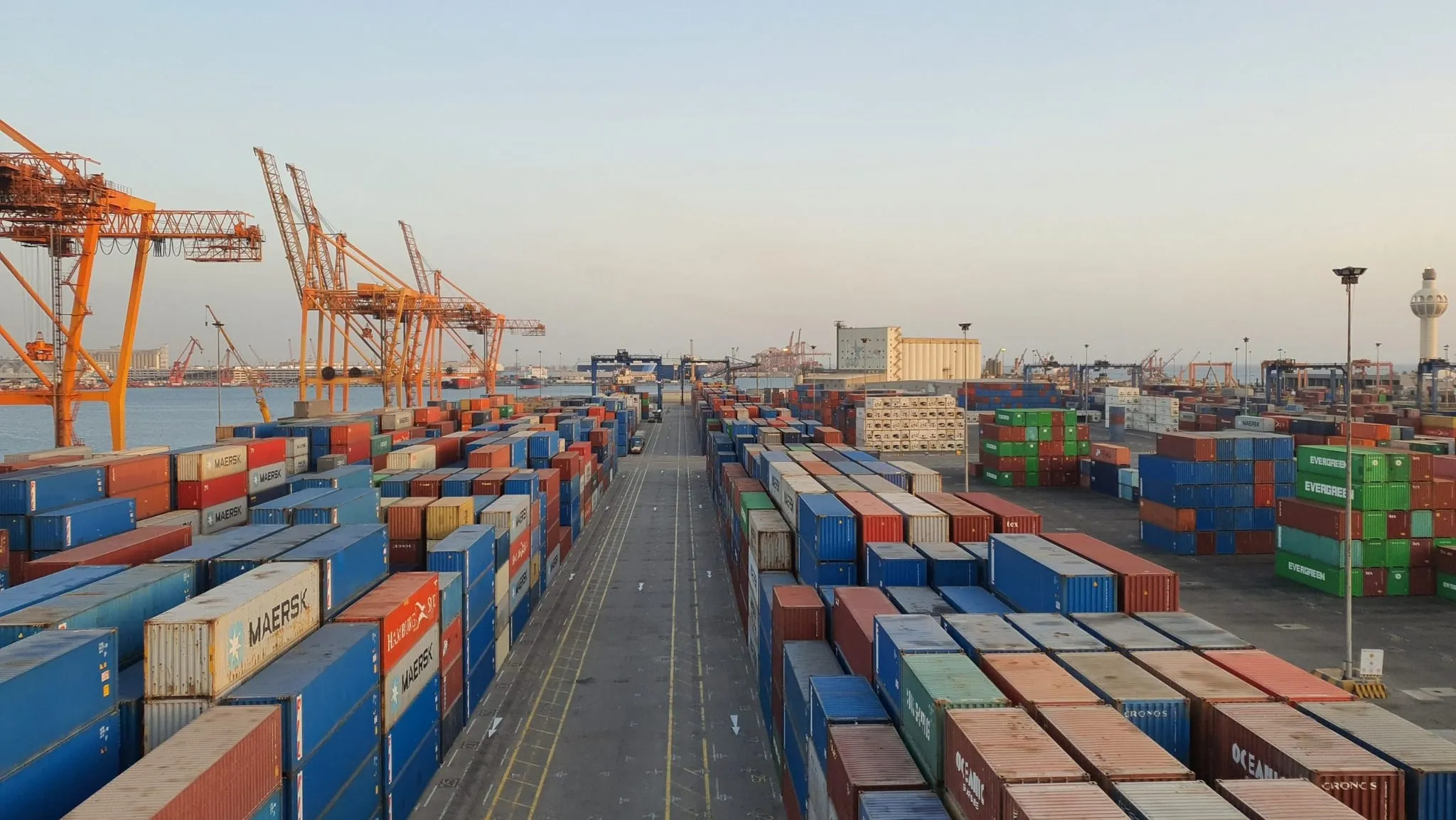
Transportation and logistics operations sit at an important intersection with process safety: they’re rarely the ones manufacturing a hazardous material, but they’re responsible for classifying, packaging, storing, and moving it correctly, and a mistake made anywhere in that chain can have consequences far from where the material was produced. UN/DOT hazard classification determines nearly everything downstream, packaging requirements, labeling, carrier acceptance, and emergency response information, and a material that’s misclassified, or classified based on outdated or estimated data, creates risk that often isn’t discovered until a carrier rejects a shipment or, worse, an incident occurs in transit.
Fuel storage and transfer is where a lot of this risk concentrates operationally. Terminals, distribution centers, and fleet fueling operations handle flammable liquids in bulk, with the same flash point, vapor accumulation, and static ignition concerns found in chemical processing, just spread across loading racks, tank trucks, and rail cars instead of fixed process equipment. Warehousing and distribution centers that store hazardous materials in transit add another layer, since these facilities often weren’t designed with the same code and occupancy scrutiny as a manufacturing plant, even though they may be holding significant quantities of flammable, reactive, or otherwise regulated material at any given time.
HazBasis supports transportation, logistics, and distribution companies with UN/DOT hazard classification testing to support accurate dangerous goods classification, flammable liquid fire and explosion analysis for fuel storage and transfer operations, and hazardous area classification and occupancy analysis for warehouses and distribution facilities storing regulated materials. We help make sure the technical basis for a classification or a facility’s hazardous material capacity actually holds up, whether that basis is being reviewed by a carrier, an AHJ, or a regulator after the fact.