What Explosion Severity Testing Answers
This test characterizes the closed vessel pressure response of a flammable gas or vapor mixture, quantifying the maximum explosion pressure, the maximum rate of pressure rise, and the normalized deflagration index KG. The result applies to the submitted material, mixture composition, temperature, pressure, and test conditions stated in the report. Published severity values may not represent your actual process mixture or operating condition, so we’re careful to scope the test around the concentration range, temperature, and pressure that actually matter to your application rather than reporting a single generic value.
Not sure what test matrix your process needs? Reach out and we’ll help you scope it.
Test Method and Standard
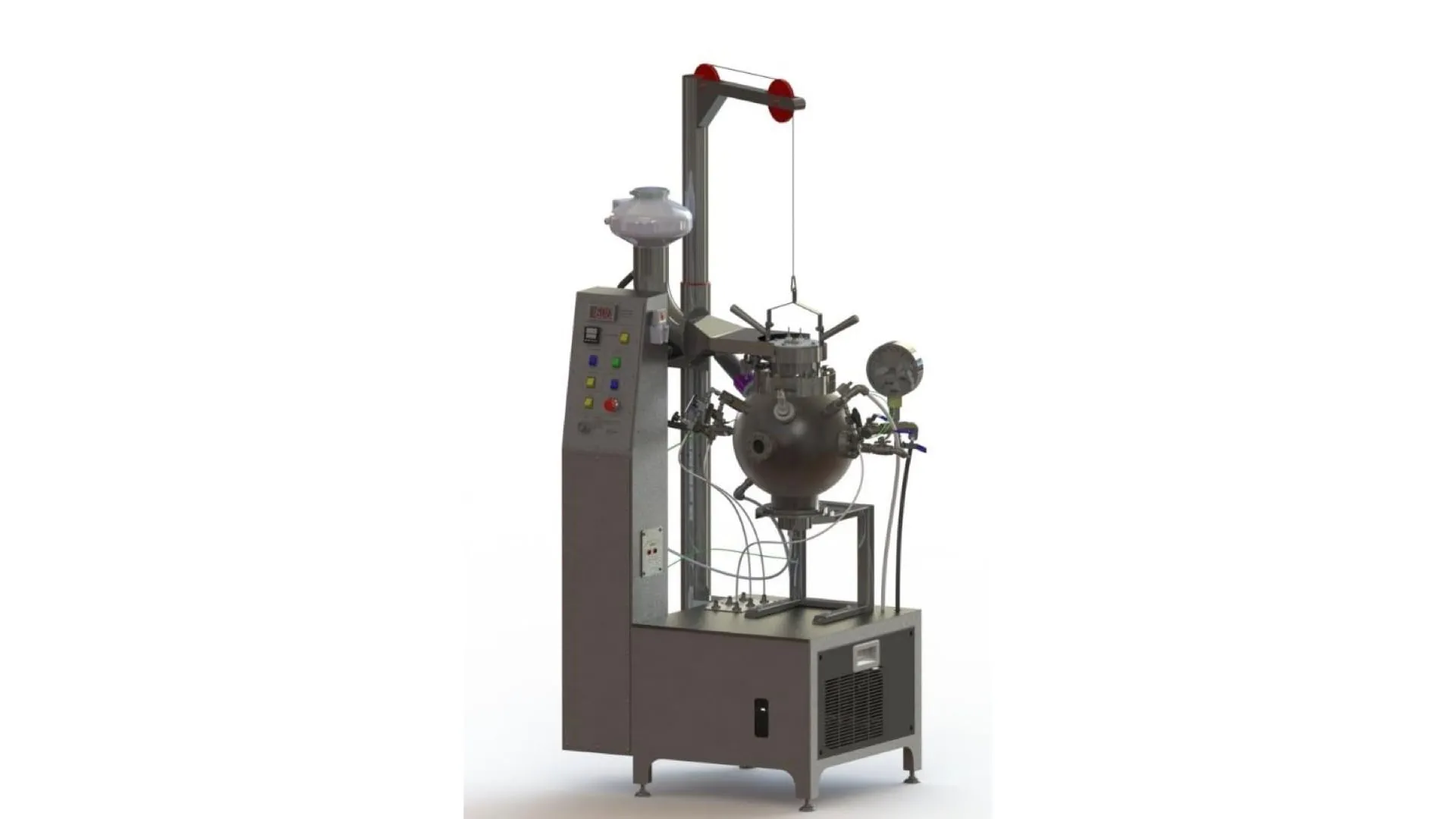
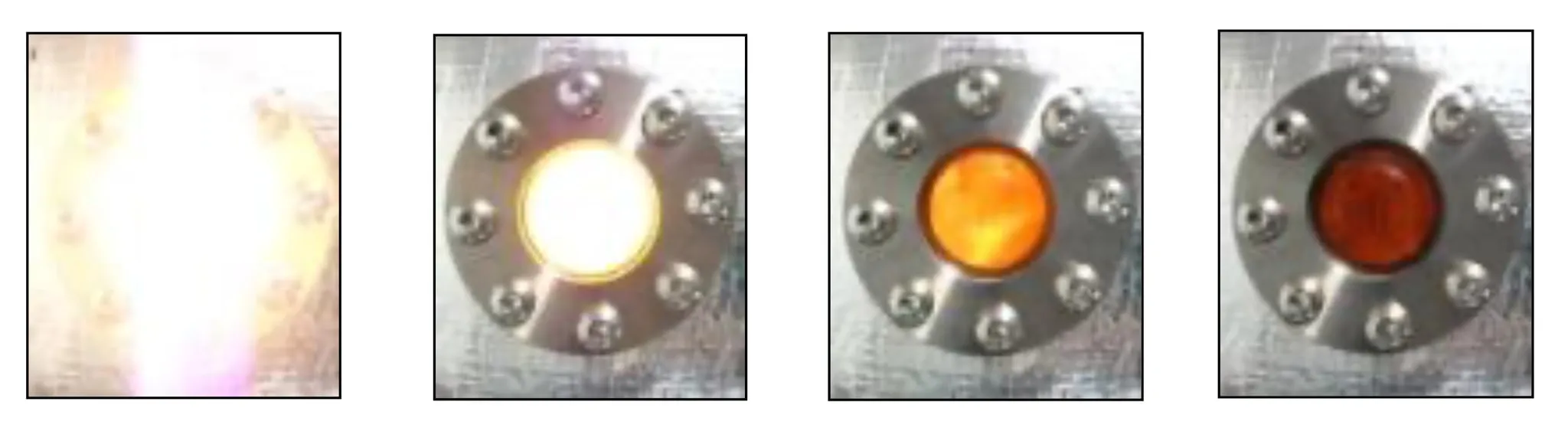
The gas or vapor mixture is prepared in an evacuated 20-L stainless steel spherical vessel using controlled partial pressure and, for suitable liquids, a heated vacuum evaporator. The vessel is brought to the specified temperature, mixed to promote a representative atmosphere, then ignited while high-speed data acquisition captures the pressure-time history. Concentration is varied across the agreed test matrix to identify the condition producing the highest relevant pressure and pressure-rise rate. Testing follows EN 15967 for maximum explosion pressure and maximum pressure-rise rate, and the vessel supports a temperature range of 20 to 120°C. The quotation identifies the governing method and test matrix before work begins.
What You Receive
- Maximum explosion pressure (Pmax) and maximum pressure-rise rate ((dP/dt)max)
- Normalized deflagration index (KG)
- Pressure-time curves and concentration-response data
- Documented test conditions, mixture preparation basis, ignition method, and observations
How the Data Supports Decisions
This result supports explosion-resistant equipment and containment review, deflagration venting, suppression, and isolation design, and process hazard analysis, HAZOP, LOPA, and fire or explosion risk assessment. It also allows comparison across alternative formulations, solvents, or operating conditions, and supports process scale-up, equipment modification, and management of change decisions.
When to Order This Test
- Published severity data doesn’t reflect your actual mixture or operating condition
- Explosion protection equipment (venting, suppression, isolation) needs to be designed or verified for a gas or vapor hazard
- A formulation, solvent, or operating condition change may have shifted explosion severity
Sample Submission Guidance
Sample needs depend on material state, concentration matrix, vaporization efficiency, repeat testing, and requested endpoints. HazBasis confirms sample quantity and handling requirements after reviewing the SDS and test scope. Include the SDS, composition and purity information, physical state and vaporization behavior, and the operating temperature, pressure, and concentration range relevant to your process.
Why Choose HazBasis
- Pmax and KG describe different things, one is a pressure ceiling, the other is a rate-derived severity index, and they’re not interchangeable inputs to a design calculation. We report both clearly and make sure the interpretation doesn’t blur the two together.
- The concentration that produces the worst case isn’t always obvious ahead of time, so the test matrix steps through a real range rather than testing a single assumed concentration and calling it representative.
- Where this data feeds into venting, suppression, or isolation system design, we can carry the interpretation directly into that engineering work rather than leaving you to translate a pressure-time curve into a design input on your own.
FAQ
What is the difference between Pmax and KG?
Pmax is the maximum pressure reached during the closed-vessel deflagration. KG is a volume-normalized index derived from the maximum pressure-rise rate. They describe different aspects of explosion severity and should not be used interchangeably.
Can liquids be tested?
Suitable liquids can be evaluated as vapors when they can be introduced, vaporized, and conditioned within the apparatus and method limitations. HazBasis reviews boiling point, vapor pressure, decomposition potential, and target temperature during scoping.
Can LEL and UEL testing be included?
Yes. The supplied 20-L sphere system is configured for lower and upper explosion limit testing as a related service. The recommended program depends on whether the project needs flammability limits, severity data, LOC, or a combination.
How much sample is required?
Sample quantity depends on material state, concentration matrix, vaporization efficiency, repeats, and requested endpoints. HazBasis confirms sample needs after reviewing the SDS and test scope.
How long does testing take?
Turnaround depends on sample receipt, material handling requirements, number of concentrations, test temperature, repeats, and the requested report. A schedule is provided with the quotation.