Chemical Reaction Hazard Analysis Services
PSM-Aligned Reactive Chemical Hazard Evaluation for Safer Scale-Up, Manufacturing, Storage, and Process Operation
HazBasis Process Safety provides professional Chemical Reaction Hazard Analysis services for facilities handling reactive chemicals, batch reactions, thermal hazards, exothermic processes, unstable materials, incompatible chemicals, or processes with potential runaway reaction risk.
We help chemical manufacturers, pharmaceutical companies, battery and electrolyte operations, specialty chemical producers, pilot plants, laboratories, and industrial facilities identify reaction hazards, evaluate credible upset scenarios, and develop safeguards aligned with Process Safety Management principles.
Need a Chemical Reaction Hazard Analysis? Reach out and we’ll help.
What Is a Chemical Reaction Hazard Analysis?
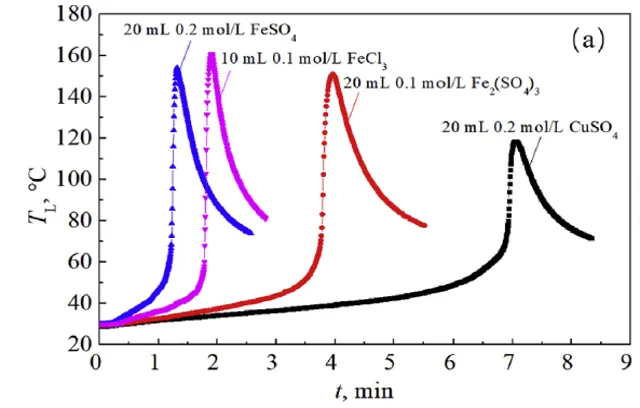
Most reactions in a process are intentional and controlled. The hazard shows up when the chemistry isn’t fully understood: heat generation, gas generation, contamination, thermal instability, or an incompatible mixing scenario nobody accounted for. The same reaction that runs safely a thousand times can turn into a runaway, an overpressure event, a toxic release, or an explosion the one time a variable shifts outside its known range.
A Chemical Reaction Hazard Analysis is how HazBasis identifies those hazards before they show up as an incident, not after. It’s built around understanding where the margin actually is between your intended operation and the point where the chemistry stops being controllable.
Hazards we commonly evaluate include:
- Exothermic reactions and runaway reaction potential
- Thermal decomposition and self-heating materials
- Gas generation and pressure rise
- Incompatible chemical mixing and contamination sensitive chemistry
- Catalyst or initiator mischarge, overcharge, or wrong charge scenarios
- Cooling failure, agitator failure, or loss of temperature control
- Delayed reaction onset and reactive waste accumulation
- Scale up from lab to pilot or production scale
When You Need a Chemical Reaction Hazard Analysis
This review is typically needed if you’re:
- Scaling up a reaction from laboratory to pilot or production scale
- Introducing a new chemical process, or changing raw materials, solvents, catalysts, initiators, concentrations, or charge sequence
- Increasing batch size, operating temperature, pressure, or feed rate
- Evaluating a new reactor, vessel, dryer, distillation, filtration, or storage system
- Reviewing a cooling failure, agitator failure, or wrong addition scenario
- Preparing for a PHA, HAZOP, LOPA, MOC, or PSSR
- Investigating a runaway reaction, overpressure, fire, explosion, decomposition, or near miss
- Evaluating reactive waste, spent catalyst, residues, or byproducts
- Responding to insurer, customer, corporate safety, or authority facing questions
- Trying to determine whether additional testing is needed before you can call the design safe
PSM-Aligned Basis
Our Chemical Reaction Hazard Analysis is aligned with Process Safety Management concepts, including process safety information, process hazard analysis, operating procedure review, management of change, pre-startup safety review, mechanical integrity interface, incident investigation, and corrective action development.
Depending on scope, our review may draw on reaction calorimetry data, DSC, ARC, VSP, or RC1 test interpretation, adiabatic temperature rise, onset temperature evaluation, gas generation and pressure rise potential, and the relief and venting basis that connects to it. The output is meant to support safe operation, engineering review, regulatory readiness, insurer review, and internal process safety decisions, not sit in a binder unread.
Our Review Process
Step 1: Define the Process and Chemistry. We review the process description, reaction chemistry, raw materials, solvents, catalysts, intermediates, products, byproducts, waste streams, and intended operating conditions.
Step 2: Review Existing Data. We review SDS documents, batch records, P&IDs, process flow diagrams, test data, incident history, prior PHAs, MOCs, and operating procedures.
Step 3: Identify Reactive Hazard Scenarios. We identify credible scenarios involving heat generation, gas generation, decomposition, incompatibility, contamination, loss of control, and abnormal operation.
Step 4: Evaluate Safeguards. We review cooling capacity, feed control, agitation, emergency shutdown, alarms, interlocks, relief systems, quench systems, operating limits, procedures, and training.
Step 5: Recommend Practical Actions. We provide prioritized recommendations for testing, engineering changes, procedural controls, operating limits, emergency response, or additional process safety review.
Step 6: Support Closeout. We support follow-up discussions with engineering, EHS, operations, management, insurers, customers, or project reviewers.
What We Deliver
Chemical Reaction Hazard Analysis Report
A technical report covering the process and chemistry summary, the PSM aligned basis, a material and SDS review, reaction pathway and operating condition review, thermal hazard screening, incompatibility and inadvertent mixing review, credible reaction hazard scenarios, and a review of existing safeguards. It closes with testing data interpretation where available, information gaps, and prioritized recommendations for engineering, operations, EHS, and management.
Reactive Chemistry and Thermal Hazard Review
We evaluate the chemical and thermal basis of the operation: desired reaction hazards, undesired side reactions, decomposition reactions, solvent participation, catalyst or initiator hazards, intermediate and product stability, heat generation rate versus heat removal capacity, and sensitivity to contamination, pH, water, oxygen, or metals. The question underneath all of it is whether there’s sufficient margin between intended operation and hazardous decomposition, runaway, or pressure generating conditions.
Runaway Reaction Scenario Analysis
We identify and evaluate credible runaway scenarios such as cooling failure during feed addition, loss of agitation, excess feed rate, incorrect charge order, double charging, wrong raw material addition, catalyst overcharge, inhibitor depletion, external fire exposure, and blocked vent or inadequate relief path. Each scenario is reviewed for initiating cause, consequence, existing safeguards, and practical recommendations, not just flagged and left there.
Chemical Compatibility and Inadvertent Mixing Review
Incompatible mixing is one of the most common causes of reactive chemical incidents. We review potential interactions between raw materials, solvents, catalysts, acids and bases, oxidizers and reducers, peroxides, water reactive materials, cleaning chemicals, waste streams, process residues, and off spec or returned materials, looking for combinations that could generate heat, pressure, gas, toxic fumes, fire, or explosion.
Testing Strategy and Data Interpretation
Where existing data is incomplete, we help define a practical testing strategy, drawing on Differential Scanning Calorimetry, Accelerating Rate Calorimetry, Vent Sizing Package testing, reaction calorimetry, gas generation testing, and compatibility testing as appropriate. We interpret the results and connect them back to your actual process conditions, safeguards, and operating limits, rather than handing over raw data with no context.
Common Questions We Help Answer
- Is this reaction exothermic, and could it experience a runaway?
- What happens if cooling is lost, or if agitation stops?
- What if the feed is added too quickly, or the wrong chemical is charged?
- Is there enough thermal stability margin in this process?
- Could this material decompose during storage or processing?
- Could gas generation overpressure the vessel?
- What safeguards are needed before scale up?
- Is additional testing needed before this can move forward?
- Can this process be safely transferred from lab to production?
- What information should be included in the PHA or MOC?
- Are current operating limits and emergency procedures adequate?
Supporting Your PSM Program
Chemical Reaction Hazard Analysis feeds directly into several parts of a strong process safety program: process safety information, process hazard analysis, operating procedures, training, mechanical integrity, management of change, pre-startup safety review, incident investigation, emergency planning, and relief system design basis.
For PSM covered processes, reactive chemical hazard information needs to be technically sound, documented, and available when the PHA or MOC calls for it, not reconstructed after the fact.
Why Choose HazBasis
HazBasis combines process safety, reactive chemical hazard evaluation, thermal hazard testing, fire and explosion analysis, relief scenario review, incident investigation, and PSM support experience in one team.
Our Chemical Reaction Hazard Analysis work is:
- PSM aligned and technically defensible
- Practical for manufacturing operations
- Suitable for PHA, HAZOP, MOC, and PSSR support
- Focused on credible reaction scenarios, not generic SDS flags
- Clear for EHS, engineering, operations, and management alike
We don’t rely on a generic SDS review to call a chemistry safe. We evaluate the actual chemistry, process conditions, operating limits, equipment, safeguards, abnormal scenarios, and available test data that determine reactive chemical risk in your process specifically.
FAQ
What is Chemical Reaction Hazard Analysis?
Chemical Reaction Hazard Analysis is a technical evaluation of reactive chemical hazards, including exothermic reactions, thermal instability, runaway reaction potential, gas generation, pressure rise, decomposition, incompatibility, and abnormal operating scenarios.
How is this related to PSM?
Chemical Reaction Hazard Analysis supports PSM by improving process safety information, process hazard analysis, management of change, pre-startup safety review, operating procedures, training, incident investigation, and corrective action development.
When should a Chemical Reaction Hazard Analysis be performed?
It should be considered before scale-up, new product introduction, process modification, raw material change, catalyst change, equipment change, batch size increase, operating limit change, or after a reactive chemical incident or near miss.
Is SDS information enough?
Usually not. SDS documents are useful, but they may not fully describe process-specific reaction hazards, heat generation, decomposition behavior, gas generation, incompatibility, or runaway potential under actual operating conditions.
What testing may be needed?
Depending on the chemistry and risk, testing may include DSC, ARC, VSP, reaction calorimetry, gas generation testing, compatibility testing, or other thermal hazard methods. The testing strategy should match the process question being answered.
Can HazBasis help with runaway reaction scenarios?
Yes. HazBasis can identify and evaluate credible runaway scenarios such as loss of cooling, overfeed, wrong charge, contamination, loss of agitation, decomposition, blocked venting, or external fire exposure.
Can this support a PHA or HAZOP?
Yes. Chemical Reaction Hazard Analysis can provide the technical basis needed for PHA, HAZOP, LOPA, MOC, and PSSR reviews.
Can this be performed remotely?
Many reviews can be completed remotely if sufficient chemistry, process, equipment, SDS, operating procedure, and test data are available. For complex processes or existing production systems, a site visit or workshop may be recommended.